


Family dental visits can feel tense. New tools are changing that. Today you see less waiting, less guessing, and more clear answers. These three emerging technologies are reshaping how your dentist finds problems, explains options, and treats your teeth. You get sharper images, gentler treatments, and faster results. Your child can sit in the chair and understand what is happening. You can see what your dentist sees on a screen. That clarity builds trust. It also helps you decide what care feels right for you. Whether you visit a rural clinic or a dentista en Alexandria, VA, these advances touch your experience. They do not replace people. They support skilled teams who want to protect your mouth and your health. As you read, think about your last visit. Then picture a visit where the tools feel smarter, the steps feel shorter, and the plan feels clear.
1. 3D Digital Imaging That Shows Hidden Problems Early
Table Contents
Your eyes cannot see between teeth or behind gums. Traditional X-rays help, but they offer flat images. New 3D digital imaging gives a full view of teeth, roots, and bone. That view helps your dentist spot trouble before it turns into pain.
3D systems often use cone beam computed tomography, or CBCT. These machines use focused beams and detectors to build a layered picture of your mouth. The image shows the height, width, and depth of teeth and bone. It also shows nerve paths and sinus spaces. The Food and Drug Administration explains how dental X-ray devices work and how they are checked for safety on its dental radiography page.
With 3D images your dentist can:
- Find small infections before they spread
- Plan braces and clear aligners with more precision
- Place implants in safer positions
Children benefit when dentists can see how adult teeth sit under the gums. The dentist can watch growth patterns and guide jaw development. You gain early warning. You also avoid surprise surgery later.
2. Intraoral Scanners That Replace Messy Impressions
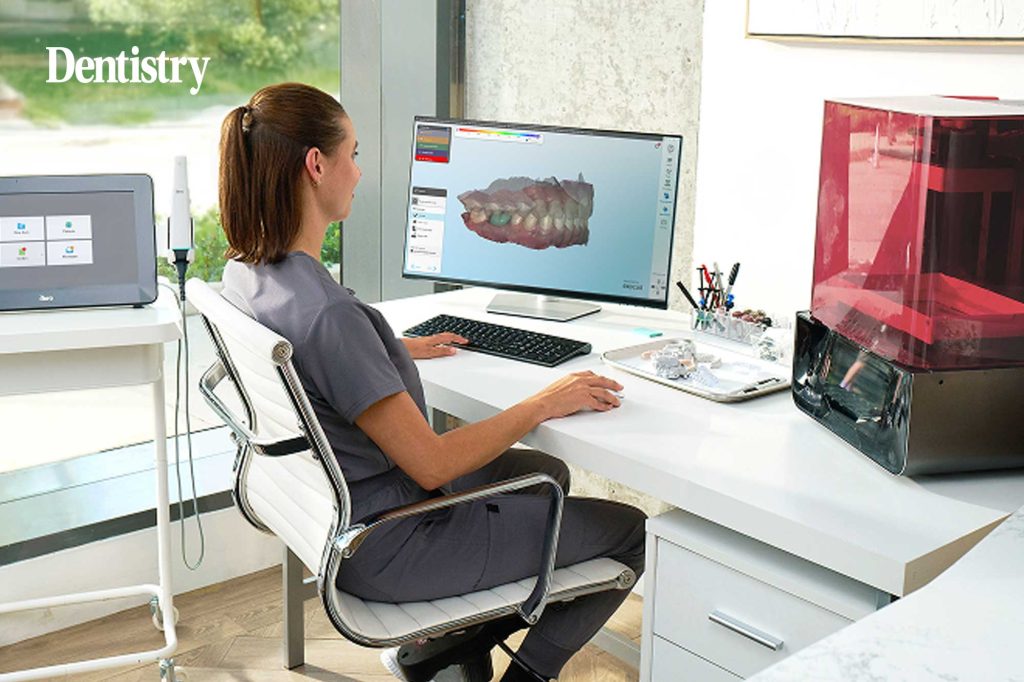
Many people remember thick trays and sticky putty. That old method for dental impressions often caused gagging. New intraoral scanners change that experience. The dentist moves a small wand around your teeth. A computer collects thousands of tiny images. Then it builds a 3D model of your mouth.
That digital model can guide crowns, bridges, night guards, and clear aligners. It can also track changes over time. Your dentist can pull up past scans and compare them on screen. You see where gums recede or where teeth shift. The Centers for Disease Control and Prevention explains that regular dental visits support early problem spotting on its oral health fast facts page. Digital scans make those visits clearer and more precise.
Intraoral scanners help you and your family in three direct ways.
- Less discomfort from trays and putty
- Fewer remakes for crowns and aligners
- Better understanding of treatment plans
Children often treat the scanner like a camera. The visit feels more like a photo session and less like a medical test. You walk away with a sense that your mouth is mapped and understood.
3. Laser Dentistry That Targets Only Diseased Tissue
Lasers in dentistry use focused light to cut or shape tissue. The light is tuned to react with water or pigment in teeth and gums. That targeting lets your dentist remove decay or reshape gums with less impact on nearby tissue.
Common uses include:
- Removing small cavities
- Treating early gum disease
- Releasing tongue ties in infants and children
Many laser treatments need little or no numbing medicine. Children and adults often report less bleeding and less swelling. You may spend less time in the chair. You often recover faster at home. That means fewer missed school days and less time off work.
Not every problem can be treated with a laser. Yet when it fits, the tool can feel less harsh than a drill. You still receive careful care. You simply experience fewer sharp sounds, fewer vibrations, and fewer shots.
How These Technologies Compare
Each tool changes a different step in your visit. Together they support clearer diagnosis, calmer treatment, and smoother follow up. This table gives a simple comparison.
| Technology | Main purpose | Helps adults by | Helps children by | Common use in a family visit
|
|---|---|---|---|---|
| 3D digital imaging | Full view of teeth, roots, and bone | Finding hidden problems early | Tracking growth and tooth position | Planning braces or checking jaw pain |
| Intraoral scanners | Digital model of teeth and gums | Improving fit of crowns and aligners | Reducing gagging from old impressions | Creating clear aligners or night guards |
| Laser dentistry | Targeted treatment of teeth and gums | Reducing need for numbing medicine | Shorter, quieter procedures | Treating small cavities or early gum disease |
What This Means For Your Family Visits
These tools do not replace checks, cleanings, and home care. You still need brushing, flossing, and routine exams. The difference is that your visit can feel clearer and less stressful.
When you call for your next appointment, you can ask three simple questions.
- Do you use 3D imaging for diagnosis and treatment planning
- Can you scan my teeth instead of using impression trays
- Do you offer laser treatment for small cavities or gum problems
Your dentist can explain what fits your mouth and your child’s needs. You gain a voice in the process. You also gain early answers. That combination gives you control. It turns a tense visit into a shared plan for long-term oral health.