
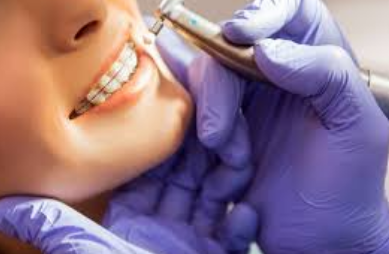

Early orthodontic care protects your child’s health, confidence, and comfort. When you start treatment before problems grow, you give your child a calmer path through the teen years. Crowded teeth, jaw pain, and bite problems often start in childhood. If you wait, these problems can grow into pain, speech trouble, and chewing issues. Early treatment guides jaw growth, creates space for adult teeth, and cuts the need for tooth removal later. It also helps correct habits like thumb sucking that quietly harm your child’s smile. An orthodontist in Whittier, CA can spot warning signs that you might miss, even when your child’s teeth look straight. You gain answers, a clear plan, and more control over time and cost. In this blog, you will see three key advantages of starting orthodontic treatment early so you can act with confidence, not regret.
1. You Guide Jaw Growth While It Still Responds
Table Contents
Children’s jaws grow fast. That growth gives you a short window to guide how the upper and lower jaws fit together. If you use that time, you often avoid stronger treatment later.
The American Association of Orthodontists advises that children have an orthodontic checkup by age 7.
At this age, your child still has baby teeth and some adult teeth. That mix shows how the bite is forming. You can:
- Correct crossbites before they lock the jaw in the wrong position
- Widen a narrow upper jaw so teeth have room to come in
- Reduce an overbite or underbite before it affects speech and chewing
Later, when growth slows, the jaw turns firm. Then, big bite changes may need tooth removal or surgery. Early care uses your child’s natural growth instead of fighting it.
The table below shows how timing can change what your child may need.
| Concern | If Treated Early (Child 7 to 10) | If Treated Late (Teen 14+)
|
|---|---|---|
| Narrow upper jaw | Jaw expander that works with growth | More complex devices or surgery |
| Severe overbite | Growth guides for jaw and bite | Higher risk of extractions and jaw surgery |
| Crowding of adult teeth | Space made early so teeth erupt in better spots | More extractions and longer treatment |
| Crossbite | Corrected while bones are flexible | Harder to correct with stable bones |
Early jaw guidance also protects your child’s airway and comfort. A narrow jaw can link with mouth breathing and poor sleep.
2. You Reduce Future Treatment Time, Cost, and Stress
Early treatment is not about putting young children in full braces for long periods. It is about short, focused steps that clear the path for later care. You treat the cause, not only the crooked teeth.
When you act early, you often:
- Shorten or simplify teen braces
- Lower the chance of tooth removal
- Prevent emergencies like tooth injury from big overbites
For example, a child with crowding might wear a small expander for several months. That creates space so adult teeth move into better positions. Then, as a teen, your child may only need light braces for a shorter time.
Early care also spreads treatment over more years. You can plan around school, sports, and family events. You gain time to budget and use insurance benefits. That planning reduces pressure for both you and your child.
Stress drops when problems are smaller. Children feel less fear when they see steady progress instead of sudden large changes. They adjust to simple devices before facing full braces in middle school or high school.
3. You Protect Confidence and Everyday Comfort
Teeth and jaws affect how your child eats, speaks, and smiles. These shape how your child feels about school, social life, and activities. Early treatment supports more than the bite. It supports daily life.
Early orthodontic care can:
- Improve chewing so your child can eat a wide range of foods
- Support clear speech by fixing how teeth and tongue meet
- Lower the risk of front tooth injury during sports or falls
Crooked or protruding teeth can become targets for teasing. Children may hide their smiles or avoid photos. When you correct these issues early, your child walks into the teen years with stronger confidence.
Habits like thumb sucking, finger sucking, or tongue thrusting can also reshape teeth and jaws. Early orthodontic care works with your dentist and sometimes your child’s doctor to stop these habits. That prevents long-term bite changes that are harder to fix later.
Better comfort also means easier brushing and flossing. Crowded teeth trap food and plaque. Straighter teeth are easier to keep clean. That lowers the chance of cavities and gum trouble.
How To Know If Your Child Should Be Checked
You do not need to wait for a referral if you see warning signs. You can schedule a checkup if your child:
- Lost baby teeth very early or very late
- Breathes through the mouth most of the time
- Has trouble biting or chewing
- Grinds teeth or complains of jaw discomfort
- Sucks thumb or fingers after age 5
- Has crowded, spaced, or protruding teeth
Even if you see none of these signs, a screening around age 7 is wise. The visit does not always lead to treatment. Often, you receive a clear watch plan. You learn what to track and when to return.
Taking The Next Step With Confidence
Early orthodontic treatment gives you three strong advantages. You guide jaw growth while it still responds. You reduce future time, cost, and stress. You protect your child’s confidence and daily comfort.
You do not need to feel uncertain or wait for problems to grow. You can ask questions now and get honest answers. Early information gives you control. It lets you choose steady action instead of rushed decisions later.