
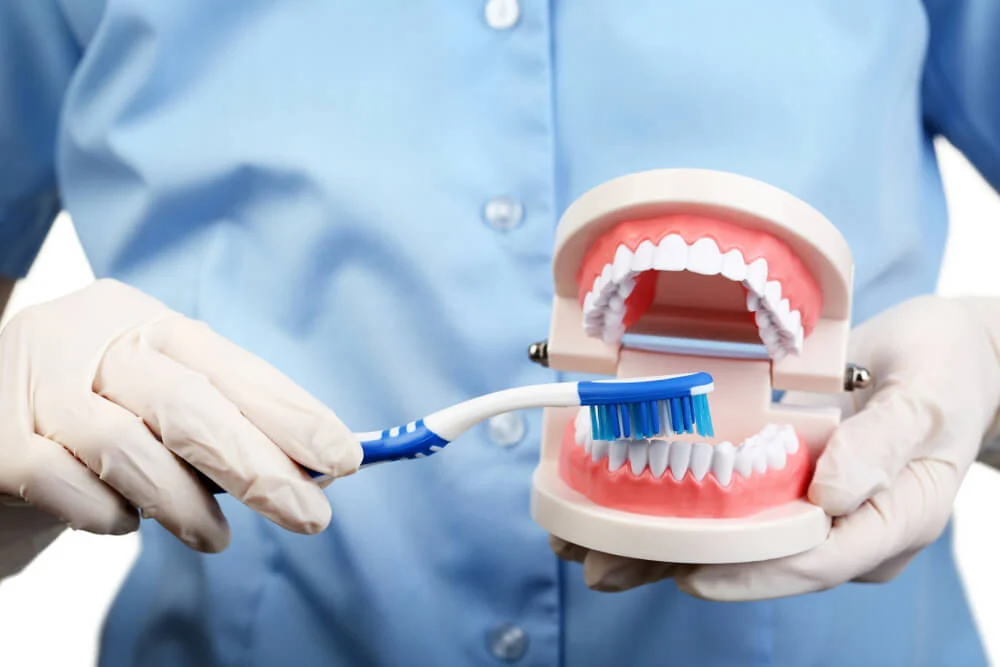

You might be feeling a little caught in the middle right now. You try to brush, you try to floss, you do what you can, yet every time you sit in the dental chair at an Abilene dentist you half-hold your breath, wondering if there is “another cavity” or “something new” to worry about. It can feel unfair. You take care of yourself, but it still seems like you are always reacting instead of staying ahead.end
On the other hand, you may have had a season when you skipped visits, life got busy, and now you are worried the damage is already done. You might be asking yourself if it is even possible to protect your teeth long term or if problems are just waiting around the corner no matter what you do.
The good news is that modern preventive dentistry is designed for exactly this kind of frustration. There are a few simple treatments that, once in place, quietly protect your teeth year after year. This guide walks through three of the most reliable options, shows how they work, and explains how they can save you time, money, and stress in the long run. Think of it as a calm, practical roadmap to keeping your smile strong instead of always scrambling to fix the next thing.
Why do teeth still get damaged when you are “doing everything right”?
It often starts small. A little sensitivity to cold. A rough spot on a back tooth. Bleeding when you floss after being “off” your routine for a while. You tell yourself you will watch it, then months pass and suddenly you are sitting in the dental chair being told you need a filling or maybe even a crown.
That is the emotional side of dental problems. The feeling that trouble snuck up on you, even though you tried to be responsible. Financially, it stings too. A cavity that might have been prevented with a low-cost treatment can turn into a root canal or extraction that hits your budget much harder.
So what is going on. Even with good daily care, there are weak spots that toothbrushes and floss simply cannot fix on their own. Deep grooves in back teeth collect bacteria. Enamel can be strong in some areas yet thin or worn in others. Gums can quietly become inflamed without obvious pain at first.
Because of this, you might wonder what more you can realistically do without turning oral care into a full-time job. This is where smart preventive dental treatments come in. They are not about perfection. They are about putting barriers in place so that everyday life does less damage to your teeth.
How do dental sealants quietly shield your teeth year after year?
Think about the chewing surfaces of your back teeth. They have tiny pits and grooves that are perfect hiding places for food and bacteria. Even the best toothbrush bristles struggle to fully reach into those narrow spaces. Over time, that trapped debris turns into acid that wears away enamel and starts cavities.
Dental sealants are a simple way to block that process. A sealant is a thin, protective coating that a dentist paints onto the chewing surfaces of your molars. Once it hardens, it creates a smooth surface that is much easier to keep clean. According to the Centers for Disease Control and Prevention, sealants can prevent up to 80 percent of cavities in the back teeth for several years. You can read more about that from the CDC on dental sealant benefits and statistics.
People often think sealants are only for children, and they are especially helpful for kids as soon as their permanent molars come in. But adults who are prone to cavities, have deep grooves, or have a history of dental work in the back teeth can benefit as well. The treatment is quick, noninvasive, and usually painless. There is no drilling to place a sealant. The tooth is cleaned, dried, and the material is brushed on and cured with a light.
The National Institute of Dental and Craniofacial Research explains how sealants physically block germs and food from collecting in pits and fissures, which reduces the risk of decay over the long term. Their overview of how dental sealants protect molars is a helpful resource if you like to understand the science behind what is going into your mouth.
Where does fluoride fit in if you are already brushing every day?
You may hear the word fluoride and think of tap water or the minty foam used during cleanings. It can sound optional, or even confusing, especially with so much conflicting information online. It helps to strip away the noise and look at what fluoride actually does.
Fluoride is a mineral that strengthens tooth enamel. Throughout the day, acids from foods and bacteria pull minerals out of your enamel. This is called demineralization. Saliva and fluoride help put minerals back. That process is called remineralization. When fluoride is present, the new enamel that forms is harder and more resistant to acid attacks.
A general dentist can use fluoride in several ways. There are professional fluoride treatments during cleanings, prescription-strength fluoride toothpaste or rinses for people at higher risk of decay, and guidance on getting enough fluoride safely from water and over-the-counter products. Fluoride is not just for kids. Adults with dry mouth, lots of existing fillings, or a history of cavities can gain a lot from targeted fluoride use.
The National Institute of Dental and Craniofacial Research offers a clear explanation of how fluoride protects enamel and reduces cavities. That kind of independent information can be reassuring if you are sorting through mixed messages and want a grounded view.
Can regular checkups really prevent problems, or do they just find them sooner?
It is easy to see checkups and cleanings as something you “have to do” rather than part of a smart prevention plan. They can feel like car inspections. Annoying, but required. Yet when you see them as one of the three core preventive dental treatments that protect your smile year after year, they start to make more sense.
Professional cleanings remove hardened plaque, called tartar, that you cannot remove at home. This reduces gum inflammation and lowers the risk of gum disease, which is the top cause of adult tooth loss. During these visits, your dentist also looks for early signs of cavities, cracks, worn fillings, oral cancer, and bite issues.
Catching problems early often means smaller, less expensive, and less stressful treatment. A tiny cavity can be treated with a conservative filling. If ignored, it can grow into a painful infection that needs a root canal or extraction. Regular visits also give you a chance to ask questions about habits, diet, and products, so you are not trying to figure everything out alone.
So where does that leave you. When you combine sealants, fluoride, and consistent checkups, you are not just reacting anymore. You are building a long-term shield around your teeth. That shift from “fixing” to “protecting” is what preventive care is all about.
How do these preventive options compare in cost, comfort, and impact?
It can help to see the differences side by side so you can decide what makes sense for you and your family right now, not in some ideal world where time and money are unlimited.
| Treatment | Main Purpose | Typical Comfort Level | How Often | Long-term Impact on Cavities |
|---|---|---|---|---|
| Dental sealants | Protect deep grooves in back teeth from trapping bacteria | Very comfortable. No drilling. Usually no anesthesia. | Once every several years, checked at routine visits | High. Strong reduction in cavities on sealed surfaces, especially in children and teens. |
| Fluoride (professional & at-home) | Strengthen enamel and support remineralization | Comfortable. Quick gel, foam, or varnish. At-home use feels like normal brushing or rinsing. | Professional treatment every 3 to 12 months depending on risk, plus daily home use | High when used consistently, especially for people with a history of decay. |
| Regular exams & cleanings | Remove tartar, check for early problems, guide habits | Generally comfortable. Some temporary sensitivity if gums are inflamed. | Every 6 months for many people, sometimes more often for gum concerns | Indirect but powerful. Early detection and cleaner teeth reduce the chance of severe issues. |
When you look at these side by side, a pattern appears. None of these treatments are dramatic or flashy. They are quiet, repeatable habits and services that add up over years. That is the heart of effective preventive dental care. Small, smart moves that protect you from big, stressful problems later.
What can you do this week to protect your smile for the long term?
You do not need to change everything overnight. A few focused steps can put you on a much more protective path.
- Ask your dentist if you or your child are good candidates for sealants
At your next visit, bring up sealants directly. Ask which teeth would benefit most, what your insurance covers, and how long the protection is likely to last. If you have a child whose permanent molars are just coming in, this is an ideal time to ask. If you are an adult with a history of cavities in your back teeth, say that out loud. Your dentist can tailor recommendations once they know your specific risks.
- Review your fluoride routine and fill any gaps
Take an honest look at your daily habits. Are you using a fluoride toothpaste twice a day. Do you drink mostly tap water or bottled water. Are you dealing with dry mouth from medications or health conditions. Share this with your dentist or hygienist. They can suggest whether you would benefit from a professional fluoride treatment, a prescription-strength toothpaste, or a simple change in products.
- Commit to your next two checkups now, not “when things calm down”
Life rarely slows down on its own. If it has been a while since you have seen a general dentist, schedule an exam and cleaning and put the following visit on the calendar before you leave the office. Treat those appointments as nonnegotiable, the same way you would a work commitment or a child’s school event. Consistency is what turns routine visits into a powerful shield for your teeth.
How can you move from worry to confidence about your smile?
You do not need perfect habits or a perfect dental history to have a strong future for your teeth. You only need a clear plan and a willingness to take small, steady steps. Sealants protect the weak spots. Fluoride strengthens what you already have. Regular checkups catch issues early and keep your routine on track.
When you put those together, you are no longer waiting for the next surprise. You are choosing care that supports you year after year. If you have been feeling discouraged or embarrassed about your mouth, know that many people start from that same place and still build a healthier, easier future for their smile.
The next move is simple. Reach out to a trusted general dentist, share your concerns honestly, and ask which preventive options make the most sense for you. One conversation can be the start of many years of stronger, more confident smiles.