


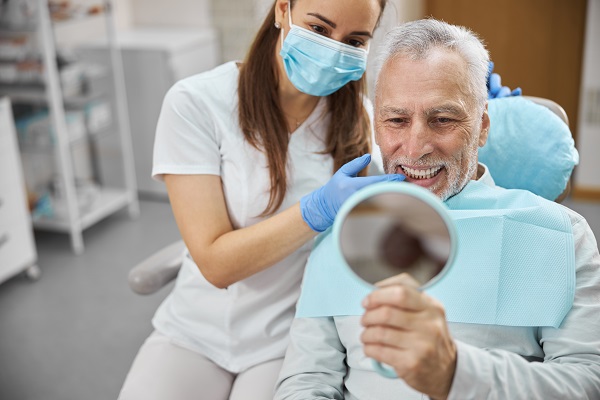
A healthy smile affects how you feel about yourself and how others see you. You may think cosmetic dentistry is only for celebrities or special clinics. In truth, your regular Albany dentist likely offers many simple treatments that change how your teeth look and feel. These are not extreme makeovers. They are steady, practical steps that fix chips, stains, gaps, and worn edges. They also protect weak teeth and support your daily care. This blog explains four common cosmetic procedures that general dentists use again and again. You will see what each one does, how it works, and when it makes sense. You will also learn what to expect during treatment and how to care for your teeth afterward. With clear facts, you can decide if one of these options fits your needs, your time, and your budget.
1. Teeth whitening in the dental office
Teeth whitening is the most common cosmetic treatment in general practice. Coffee, tea, tobacco, and some medicines stain teeth over time. Age changes tooth color, too. You may feel uneasy when you smile or speak. Whitening removes many of these stains and brightens your teeth.
In the office, your dentist uses a stronger whitening gel than store products. First, your gums get a shield. Then the gel goes on your teeth in short rounds. Each visit often takes about one hour. Many people see a clear change after one visit. Some need a few visits for darker stains.
At home, your dentist may give you custom trays and gel. You fill the trays and wear them for set times. This method takes longer but gives steady results. Both methods work best when you avoid stain-causing drinks and brush twice a day.
2. Dental bonding for chips and gaps
Dental bonding repairs small flaws in one visit. If you have a small chip, a short crack, or a minor gap, bonding may help. The dentist uses a tooth colored resin that sticks to the tooth surface. The material is soft at first, then a curing light hardens it.
The steps are simple. First, the tooth surface is cleaned and roughened. Next, a liquid helps the resin grip. Then the dentist shapes and smooths the resin to match your other teeth. At the end, the surface is polished so it feels smooth and natural.
Bonding works well for front teeth that show when you smile. It costs less than crowns or veneers. It also removes less natural tooth structure. You still need to avoid biting hard objects like ice or pens. That habit can break both natural teeth and bonding.
3. Veneers for stronger shape and color change
Veneers are thin shells that cover the front of your teeth. General dentists use them for teeth that are worn, uneven, or deeply stained. Veneers can also close small gaps and change tooth length or shape.
There are two main types. Porcelain veneers come from a lab and often last many years with good care. Composite veneers use the same type of resin as bonding and are built directly on the tooth.
The process usually takes two or more visits. At the first visit, the dentist removes a thin layer of enamel. This makes room for the veneer. Then an impression is sent to a lab for porcelain. At the next visit, the dentist checks the fit and color and then cements the veneer in place.
Veneers need the same daily care as natural teeth. You brush with a soft brush and fluoride toothpaste. You floss every day. You also use a mouthguard if you grind your teeth at night. That grinding can crack veneers and natural teeth.
For more details on veneers and other cosmetic choices, you can review the patient information from the American Dental Association.
4. Tooth colored fillings and crowns
Tooth colored fillings and crowns protect teeth and also improve how they look. Many general dentists now use resin or porcelain materials that match your natural tooth shade.
Fillings repair small to moderate cavities or broken parts. The dentist removes decay, shapes the space, places the resin, and cures it with light. Then the surface is shaped and polished. Crowns cover the whole tooth. Dentists use crowns when a tooth is weak, cracked, or has a large filling.
Crowns often need two visits. At the first visit, the tooth is shaped, and an impression is taken. A lab makes the crown. A temporary crown protects the tooth. At the second visit, the permanent crown is tried in, adjusted, and cemented.
To learn more about how crowns and fillings protect teeth, you can visit the National Institute of Dental and Craniofacial Research.
Comparison of common cosmetic procedures
| Procedure | Main purpose | Typical visits | Common use time | Best for
|
|---|---|---|---|---|
| In office whitening | Lighten tooth color | 1 to 3 | About 1 hour per visit | Stains and yellow teeth |
| Dental bonding | Fix small chips and gaps | 1 | 30 to 60 minutes per tooth | Minor shape flaws in front teeth |
| Veneers | Change color and shape | 2 or more | About 1 to 2 hours per visit | Worn, uneven, or dark teeth |
| Tooth colored fillings | Repair decay and blend in | 1 | 30 to 60 minutes per tooth | Small to medium cavities |
| Tooth colored crowns | Strengthen weak teeth | 2 | 60 to 90 minutes per visit | Cracked or heavily filled teeth |
How to choose the right option for you
You and your dentist should decide together. A short talk and exam can guide that choice. Here are three steps.
- State your main concern. Color, shape, or strength.
- Ask how long each option is likely to last with normal care.
- Review cost, number of visits, and how much tooth must be removed.
Then you weigh what matters most to you. Some people want the least change to the natural tooth. Others want the longest-lasting result. Many choose a mix. For example, whitening plus bonding on one chipped tooth.
How to care for cosmetic dental work
Cosmetic work needs the same daily care as natural teeth. That care protects your money, your time, and your comfort.
- Brush twice a day with fluoride toothpaste.
- Floss once a day to clean between teeth and around work.
- Limit sugary snacks and drinks.
- Wear a mouthguard for sports.
- Use a night guard if you grind your teeth.
- See your dentist every six months or as advised.
You do not need a perfect smile. You do deserve teeth that help you eat, speak, and smile without fear. Routine cosmetic care from a general dentist can support that goal in simple, steady steps.