
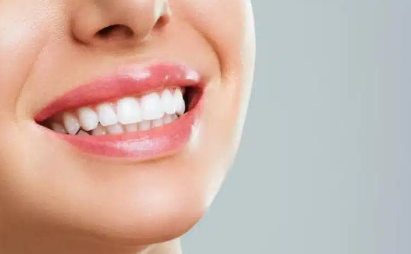

You want a smile that looks real and lasts. You do not want fake looking teeth or constant repairs. Cosmetic dentistry can do that when you choose the right options and the right dentist in Buffalo Grove, IL. This blog walks you through four common procedures that protect your teeth and keep your smile natural. Each one solves a different problem. You learn how they work. You see what to expect before, during, and after treatment. You also understand how long results can last when you care for your teeth at home. Many people feel nervous about changing their smile. That feeling is normal. Clear facts reduce fear. You deserve honest guidance, not pressure. Use this overview to ask better questions, plan your care, and decide what fits your life, your health, and your budget.
1. Teeth Whitening for Stains and Yellowing
Teeth whitening removes stains from coffee, tea, tobacco, and age. You keep your natural teeth. You simply brighten them.
There are two main choices.
- In office whitening with stronger gel and light
- Custom trays at home with lower strength gel
In office treatment works fast. You sit in the chair. Your gums get a shield. Gel goes on your teeth. Light or time activates it. You leave with a clear change in one visit.
At home trays work slower. Your dentist makes soft trays from a mold of your teeth. You place gel in the trays. You wear them for a set time each day.
Results can last one to three years. They last longer when you limit dark drinks, avoid tobacco, and keep regular cleanings. The National Institute of Dental and Craniofacial Research explains how fluoride and good habits protect enamel. Strong enamel helps whitening last.
2. Dental Bonding for Chips and Gaps
Dental bonding uses tooth colored resin to fix chips, small gaps, and worn edges. You keep as much of your real tooth as possible.
Your dentist roughens the tooth surface. A liquid helps the resin stick. Resin goes on in soft layers, then hardens with a special light. Your dentist shapes and polishes it so it blends with nearby teeth.
Bonding works well for:
- Small front tooth chips
- Short teeth that need length
- Teeth with white or brown spots
- Tiny gaps between teeth
Bonding usually needs no shots. It often finishes in one visit. You may feel some pressure and touching, but no sharp pain.
Bonding lasts three to eight years. It can stain faster than enamel. Coffee, tea, red wine, and tobacco stain resin. You may need touch ups. Care with a soft brush, gentle floss, and regular visits keeps it in good shape.
3. Porcelain Veneers for Shape, Color, and Alignment
Porcelain veneers are thin shells that cover the front of your teeth. They change color, shape, and minor alignment at the same time. You still keep most of each tooth.
The process usually takes two visits after the first consult.
- Your dentist trims a small layer from the front of each tooth
- Your dentist takes a mold or scan
- A lab makes custom porcelain shells
- Your dentist tries them in and bonds them to your teeth
Veneers work well when you have multiple concerns at once, such as dark internal stains, uneven length, or slight crowding. They do not fix large bite problems. They do not replace braces in complex cases.
Porcelain resists stains better than bonding. Veneers can last 10 to 15 years or more with good care. You need to avoid biting on ice, pens, or hard objects. You also need to wear a night guard if you clench or grind.
4. Dental Implants for Missing Teeth
Dental implants replace missing teeth with a post and a crown. The post acts like a root. The crown looks like a natural tooth.
The process has stages.
- Planning with scans and x rays
- Placement of a small titanium post into the bone
- Healing time so bone can grow around the post
- Placement of an abutment and crown
Healing can take several months. During that time you may wear a temporary tooth. Once healed, an implant can last many years. The American Dental Association explains that implants can last decades when you keep clean gums and avoid smoking.
Implants help keep jawbone from shrinking after tooth loss. They also keep nearby teeth from drifting. They do not decay. You still need to clean them to prevent gum disease around the implant.
Comparison of Common Cosmetic Procedures
| Procedure | Main Purpose | Typical Longevity | Reversible | Best For
|
|---|---|---|---|---|
| Teeth Whitening | Lighten stains and yellowing | 1 to 3 years | Yes | Healthy teeth with surface stains |
| Dental Bonding | Fix chips, small gaps, and spots | 3 to 8 years | Partly | Minor shape or color issues on few teeth |
| Porcelain Veneers | Change color, shape, and slight crowding | 10 to 15 years | No | Multiple front teeth with moderate flaws |
| Dental Implants | Replace missing teeth | 15+ years | No | Single or few missing teeth |
How to Choose the Right Option for You
You do not need every treatment. You need the one or two that match your teeth, your health, and your goals.
Start with these steps.
- Get a full exam and x rays
- Talk about what you want to change in your smile
- Ask how long each option can last for you
- Review costs and how many visits you need
Your dentist should check your gums first. Gum disease or untreated decay must be fixed before cosmetic work. Healthy gums and clean teeth give better, longer lasting results.
Routine care supports every cosmetic choice. Brush twice a day with fluoride toothpaste. Floss once a day. Keep regular checkups and cleanings. Limit sugar and acid. Avoid tobacco. These steps protect your investment and your health.
Moving Forward With Confidence
You do not have to accept a smile that causes stress or shame. Modern cosmetic dentistry offers choices that look real and last. Whitening can brighten. Bonding can repair. Veneers can reshape. Implants can replace.
Use this guide to start a clear talk with your dentist. Ask direct questions. Request photos of similar cases. Make a plan that respects your body, your time, and your budget. You deserve a strong, natural smile that feels like you.