


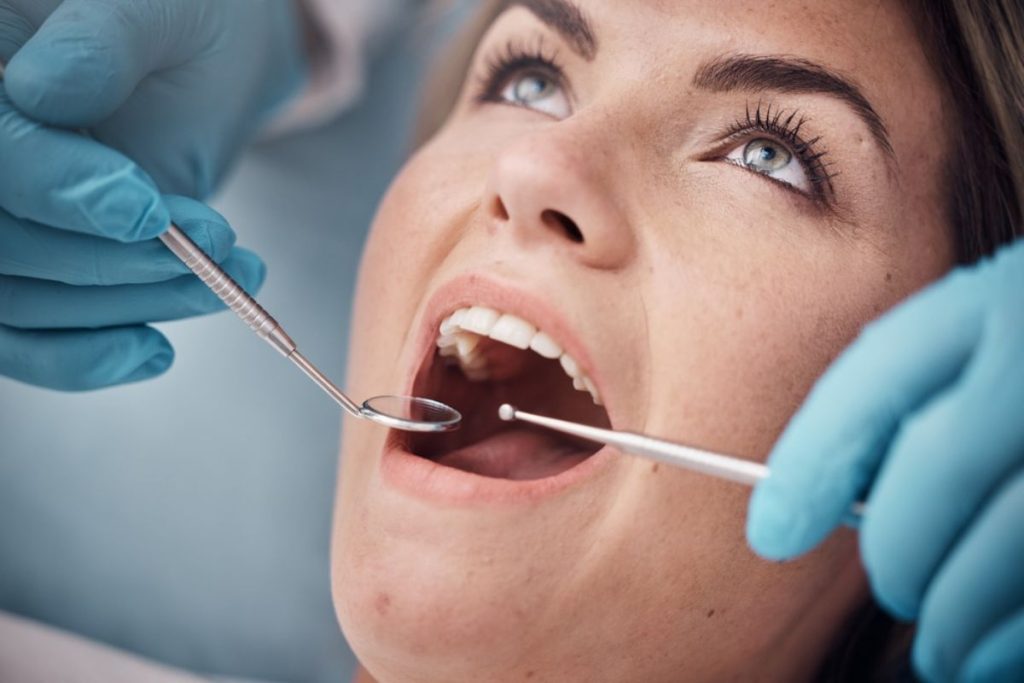
Recovery after advanced periodontal surgery can feel overwhelming. You may worry about pain, healing time, and how to protect your smile. This guide gives you four clear steps so you know what to do and what to avoid. You learn how to manage pain, control swelling, keep your mouth clean, and support long term healing. You also see how to protect your surgery site if you have dental implants in King of Prussia, PA. Each step is simple. You can start right away. You get direct instructions on food, brushing, and warning signs that need a call to your provider. You also learn how smoking, alcohol, and skipped visits can damage your recovery. You deserve steady healing and strong teeth. These four steps help you lower risk, feel more in control, and return to daily life with less fear and more trust in your treatment.
Step 1: Control Pain And Swelling Early
Pain and swelling are common after surgery. You can control both if you act early and stay consistent.
- Take pain medicine exactly as directed.
- Use a cold pack on the cheek for up to 20 minutes at a time.
- Rest with your head raised on pillows for the first two nights.
Do not wait until pain becomes strong. Start your pain plan before the numbing wears off. That keeps pain at a lower level and protects your sleep.
The National Institute of Dental and Craniofacial Research explains that gum disease treatment works best when swelling is under control. Cold packs, medicine, and rest support this healing. They also lower bleeding and bruising.
Step 2: Eat and Drink In A Way That Protects Healing
Your mouth needs gentle care from the first meal. Food choices can slow or speed healing.
- Choose soft foods such as yogurt, scrambled eggs, and mashed potatoes.
- Let food cool to room temperature before you eat.
- Chew on the side that did not have surgery if possible.
Avoid these during early recovery.
- Hard foods such as nuts and chips can cut your gums.
- Sticky foods such as caramels that can pull on stitches.
- Very hot drinks can increase bleeding.
Drink water often. Dry mouth slows healing and raises the risk of infection. Do not use straws. Strong suction can disturb the surgical site and cause new bleeding.
First Week Food Guide After Periodontal Surgery
| Food Type | Examples | Safe In First 3 Days | Safe Days 4 To 7
|
|---|---|---|---|
| Soft and smooth | Yogurt, pudding, smoothies with no seeds | Yes | Yes |
| Soft and chewable | Scrambled eggs, soft pasta, fish | Limit | Yes |
| Crunchy | Chips, nuts, raw carrots | No | No |
| Sticky | Candy, chewy bread, gum | No | No |
| Very hot | Boiling soup, hot coffee | No | Limit |
Step 3: Keep Your Mouth Clean Without Hurting The Site
Clean teeth and gums protect your surgery. Germs grow fast on stitches and healing tissue. A simple routine keeps your mouth safe.
- Do not brush the surgery site on the first day unless your provider says to.
- Brush the rest of your teeth twice a day with a soft brush.
- Rinse gently with warm salt water starting on day two if allowed.
Use a cup of warm water with half a teaspoon of salt. Let it sit in your mouth for a few seconds. Then let it fall out into the sink. Do not spit with force. That pressure can open the site.
The Centers for Disease Control and Prevention states that clean teeth lower the risk of gum disease and tooth loss. After surgery, clean habits also lower infection and pain. They support stronger bones around your teeth and any implants.
Step 4: Protect Your Long-Term Healing
Recovery does not end when stitches come out. Your gums and bone keep healing for weeks. Your choices during this time shape your long-term result.
Protect your progress with three habits.
- Keep every follow-up visit. Your provider checks the healing and cleans around the site.
- Stop smoking. Tobacco harms blood flow and raises the risk of implant failure.
- Limit alcohol. It dries your mouth and can interact with pain medicine.
Ask your provider about a custom mouthguard if you grind your teeth at night. Grinding puts pressure on healing gums and on dental implants. A guard can reduce that force and protect your investment in treatment.
Call your provider right away if you notice heavy bleeding, severe pain that does not improve with medicine, swelling that gets worse after day three, or fever. These can be early signs of infection or other problems. Quick action can prevent more damage.
With clear steps, steady routines, and support from your care team, you can move through recovery with less fear and more control. Your gums can heal. Your bite can feel stable. Your smile can stay strong for many years.