


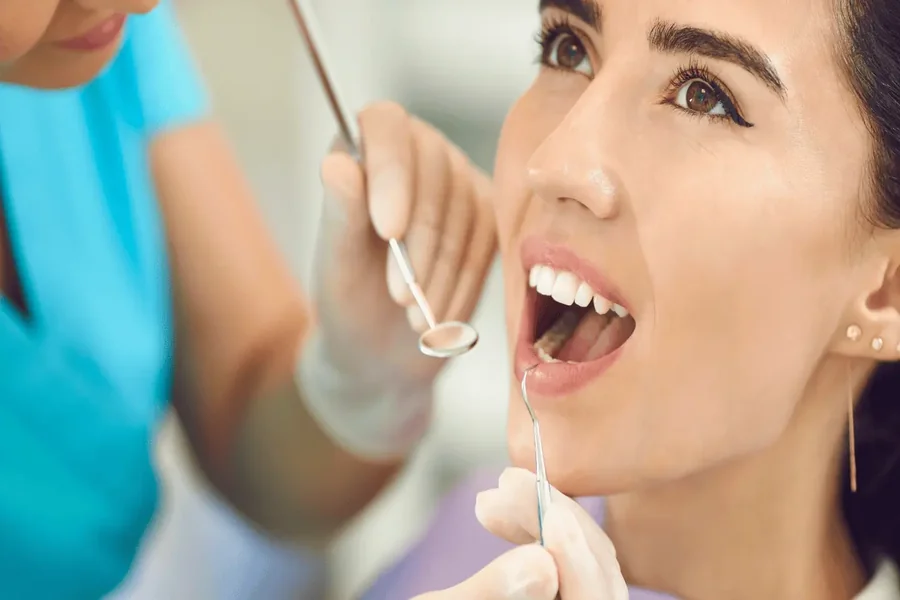
You want a whiter, straighter, or more even smile. Before you choose veneers, whitening, or bonding, you first need a healthy mouth. Preventive dentistry sets the stage for cosmetic success. It keeps gums firm, teeth strong, and your bite stable. Without that base, cosmetic work chips, stains, or fails early. You spend more money. You feel regret. With regular cleanings, exams, and early treatment, your cosmetic results last longer. You smile with less fear. You also avoid pain that hides under untreated decay or infection. A family dentist in Hemet, CA can spot silent problems that you cannot see in the mirror. Then you can fix small issues before they become large. This blog explains five simple habits that protect your investment in cosmetic care. You will see how prevention supports beauty, comfort, and confidence every time you smile.
Why a Healthy Mouth Must Come First
Cosmetic work sits on top of your natural teeth and gums. If that base is weak, every new treatment sits on risk. You may see bright teeth on the outside while decay grows inside. You may see smooth veneers while gum disease eats bone under the surface.
The Centers for Disease Control and Prevention explains that untreated cavities and gum disease are common in adults and children.
When you control these problems first, your cosmetic care lasts longer. You use fewer repairs. You feel more sure of each choice.
1. Regular Cleanings Keep Cosmetic Work Stable
Professional cleanings remove plaque and tartar that home care misses. That buildup stains teeth and weakens gums. It also collects around veneers, crowns, and bonding. Then the edges of your cosmetic work become weak points.
With routine cleanings, you gain three strong benefits.
- You reduce stains on natural teeth and on some cosmetic materials.
- You lower the risk of cavities at the edges of fillings and veneers.
- You calm gum inflammation that can expose crown or veneer margins.
These visits also give your dentist a clear view of early issues around cosmetic work. Tiny cracks or chips can be quickly repaired before they spread across a front tooth.
2. Early Cavity Control Protects Future Veneers and Crowns
Cavities start small. Many cause no pain. If you add veneers or crowns on top of hidden decay, the problem grows under the surface. Then a tooth that looked strong during whitening may need a root canal later.
Routine exams, bitewing X-rays, and simple tests catch decay before it reaches the nerve. That means you can fix three things early.
- Tiny cavities between teeth before they spread.
- Old fillings that leak and trap bacteria.
- Weak enamel that needs fluoride support.
Early treatment keeps the teeth more natural. That gives a stronger base for veneers and crowns. It also lowers the chance that a crowned tooth will break under daily chewing.
3. Gum Health Shapes How Your Smile Looks
Gums frame every tooth. If gums swell, bleed, or pull back, even perfect veneers look uneven. Gum disease can also loosen teeth. Then, clear aligner treatment or braces may fail.
The National Institute of Dental and Craniofacial Research describes gum disease and its impact on tooth loss.
Healthy gums support cosmetic success in three ways.
- They hold teeth steady so crowns and veneers fit for many years.
- They create even, clean lines around each tooth for a smooth smile.
- They lower the risk of dark spaces between teeth as tissue shrinks.
Regular cleanings, flossing, and early gum therapy keep this frame firm. You gain a smile that looks balanced from every angle.
4. Bite Checks Prevent Chipped Cosmetic Work
Your bite is how your upper and lower teeth meet. When the bite is uneven, some teeth take extra force. If you add veneers, bonding, or crowns to those teeth, they crack or chip under stress.
Preventive visits include checks of your bite. Your dentist may use marking paper, photos, and simple jaw tests. Then you receive small adjustments that spread force more evenly.
These checks can help you in three clear ways.
- They lower the chance of broken veneers on front teeth.
- They protect crowns on molars from heavy night grinding.
- They guide choices about bite guards before and after cosmetic work.
If you grind your teeth, a custom night guard can protect both natural enamel and cosmetic materials. That guard is a basic preventive step that saves money and reduces stress later.
5. Strong Daily Habits Keep Results Bright
What you do at home each day matters as much as what happens in the office. Simple habits keep teeth and cosmetic work clean and strong. Poor habits stain, crack, or weaken results fast.
Key daily steps bring steady protection.
- Brush twice each day with fluoride toothpaste.
- Floss once each day to clear plaque between teeth.
- Limit sugary drinks and snacks that feed decay.
You can also use a soft brush and gentle pressure to protect gum tissue and cosmetic surfaces. Hard brushing can wear edges and expose the line between a veneer and a natural tooth.
How Prevention Supports Cosmetic Success: Quick Comparison
| Preventive Step | Risk Without This Step | Benefit For Cosmetic Work
|
|---|---|---|
| Regular cleanings and exams | Stain, tartar, missed decay | Cleaner smile and longer-lasting veneers and crowns |
| Early cavity treatment | Hidden decay under cosmetic work | Stronger teeth that support whitening, bonding, and veneers |
| Gum disease control | Loose teeth and uneven gum lines | Stable teeth and smooth gum frame around restorations |
| Bite checks and guards | Cracked or chipped cosmetic teeth | Even pressure and fewer repairs |
| Daily brushing and flossing | New cavities and stain | Bright, consistent color and stronger enamel |
Putting Prevention First Before Cosmetic Care
Cosmetic treatment should never cover up infection, decay, or gum disease. Instead, use preventive dentistry as your first step. You protect your health. You guard your budget. You also give your future smile a strong base.
During your next visit, ask for three things. Ask for a full exam. Ask for a gum check. Ask about your bite. Then, plan any cosmetic care only after these pieces look solid. That order gives you a smile that does more than shine. It lasts.