


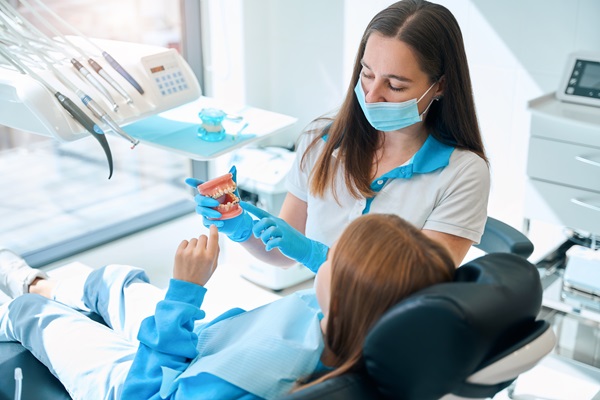
Healthy teeth shape how you eat, speak, and feel every day. You might ignore small problems until pain forces you into a chair. That delay often leads to infections, lost teeth, and higher costs. Smart prevention stops that cycle. You can protect your smile with steady habits, simple checkups, and quick action when something feels wrong. These same steps help children, adults, and older adults. They also support other treatments, including dental implants in Jonesboro, so your care lasts longer and feels easier. This guide walks you through six clear strategies. You will see how to clean your teeth, what to ask during visits, and when to act fast. You will also learn how food, tobacco, and dry mouth change your risk. With steady steps, you can avoid many urgent visits. You can keep your smile strong at every age.
1. Brush the right way twice a day
You hear this often for a reason. Brushing removes sticky film that causes cavities and gum disease. You need the right tools and habits.
- Use a soft-bristle brush and fluoride toothpaste
- Brush for 2 minutes in the morning and at night
- Angle the bristles toward the gumline
- Clean the outer, inner, and chewing sides of every tooth
For children, you can brush for them until they can tie their own shoes. Then you can watch while they brush. For adults with sore hands or limited movement, an electric brush can help.
2. Clean between teeth every day
Toothbrush bristles do not reach the tight spaces between teeth. Germs grow there and cause silent damage. Daily cleaning between teeth protects those hidden spots.
- Use floss, floss picks, or small brushes between teeth
- Slide gently under the gumline on each side of every tooth
- For braces or bridges, use threaders or water flossers
Children can start with floss picks so the habit feels simple. Older adults with gaps can use small brushes. The key is daily use. You can link this habit to another one. For example, clean between teeth right before bedtime or right after the evening news.
3. Choose food and drinks that protect teeth
What you eat feeds your body and the germs in your mouth. Sugar and acid fuel those germs. They also weaken tooth enamel. Simple changes lower that risk.
- Drink plain water during the day
- Save sweet drinks and treats for mealtimes only
- Pick cheese, nuts, and crunchy fruits or vegetables as snacks
- Limit constant sipping on soda, juice, and sports drinks
Children and teens face a strong pull from sweet drinks. You can keep sweet drinks out of daily routines. For example, serve water at meals and pack water for school. For older adults, dry mouth makes teeth more prone to decay. Water and sugar-free gum can help.
Common drinks and their impact on teeth
| Drink | Typical sugar content (per 12 oz) | Effect on teeth |
|---|---|---|
| Water | 0 teaspoons | Rinses food. Helps prevent dry mouth. |
| Unsweetened tea | 0 teaspoons | Low risk when plain. Can stain over time. |
| 100 percent fruit juice | 6 to 9 teaspoons | Natural sugar and acid. Best in small amounts at meals. |
| Regular soda | 9 to 10 teaspoons | High sugar and acid. Strong link to cavities. |
| Sports drink | 5 to 9 teaspoons | Acidic with sugar. Wears down enamel. |
4. See a dentist for routine checkups
Small problems grow fast when you ignore them. Routine visits help catch decay, gum disease, and oral cancer early. Early care costs less and hurts less.
- Plan a visit at least once a year. Many people need visits every 6 months.
- Ask for X-rays when your dentist suggests them
- Share your full health and medicine list
Children need a first visit by age one or within 6 months of the first tooth. This simple visit builds trust. It also helps you plan fluoride and sealant care. Adults who smoke, have diabetes, or take medicines that dry the mouth may need more visits. You can use the National Institute of Dental and Craniofacial Research tips to prepare for visits.
5. Use fluoride and sealants for extra protection
Fluoride makes enamel stronger. Sealants cover deep grooves in back teeth so food does not get stuck. Both steps lower cavity risk.
- Use fluoride toothpaste for all ages. For children, use a rice grain size under age 3 and a pea size after that.
- Ask about fluoride varnish for children and teens
- Ask about sealants on permanent molars when they first appear
Adults with many fillings or dry mouth can also benefit from fluoride rinses or gels. Older adults with exposed roots can ask about fluoride varnish. These steps give a shield for high-risk teeth.
6. Cut tobacbenefitnd manage dry mouth
Tobacco harms every part of your mouth. It stains teeth, weakens gums, and raises cancer risk. Drhigh-riskemoves your natural shield. Saliva washes away food and helps repair early damage. When saliva drops, decay rises.
- Talk with your health care team about help to quit smoking or vaping
- Avoid smokeless tobacco and cigars
- Sip water often through the day
- Chew sugar-free gum or suck sugar-free lozenges
- Ask if any of your medicines cause dry mouth
Children and teens face strong pressure to try vaping. Clear rules, honest talks, and support matter. Adults can model tobacco-free living. Older adults can ask their health team to review medicines if dry mouth is severe.
Putting the six strategies together
These six habits work best as a team. You brush and clean between your teeth every day. You pick food and drinks that help. You see a dentist on a set schedule. You add fluoride and sealants when needed. You avoid tobacco and protect your saliva. Each step cuts risk. Together they protect smiles from the first tooth through older age.
You do not need perfect habits. You only need steady ones. You can start with one change today. For example, replace one sugary drink with water. You can add nightly floss next week. You can call to schedule a checkup this month. Every step reduces pain, cost, and worry. Every step keeps your smile strong.