
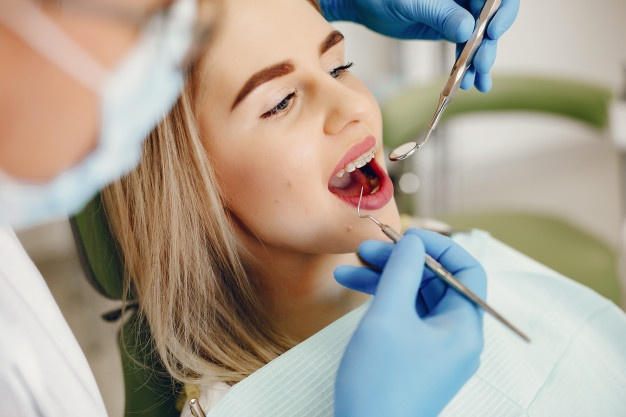

You want a healthy mouth that also looks good. Preventive dentistry protects your teeth from decay, infection, and pain. Cosmetic dentistry improves how your teeth look when you smile, talk, and eat. Both types of care work together. They support your health, your confidence, and your daily life. This blog explains four clear ways cosmetic treatments can strengthen preventive care. You will see how straighter teeth are easier to clean. You will see how fixing worn or chipped teeth can stop future damage. You will see how replacing missing teeth protects your bite and jaw. Each step gives you more control over your health. St. Thomas dental providers use these combined approaches every day. You can use the same ideas to plan your own care. You deserve a mouth that works well and feels strong. You also deserve a smile you trust.
1. Straighter teeth are easier to clean
Crowded or twisted teeth trap food. They give plaque more places to hide. That leads to cavities and gum disease. When you straighten teeth with braces or clear aligners, you cut down those tight spots. Your toothbrush and floss reach more of each tooth.
The result is simple. You remove more plaque. You lower your risk of decay and bleeding gums. You also avoid deep cleanings and urgent visits for pain.
Preventive care and cosmetic straightening work best when you use them together.
- Daily brushing with fluoride toothpaste
- Cleaning between teeth with floss or picks
- Regular checkups and cleanings
2. Repairing chips and cracks stops new damage
A chipped or cracked tooth may seem small. It is not. Rough edges catch plaque. Thin enamel breaks more. A small crack becomes a deep fracture. That often ends with root canal treatment or removal.
Cosmetic repair protects that tooth. Common options include:
- Tooth colored bonding
- Tooth shaped fillings
- Crowns that cover the whole tooth
These treatments improve how your tooth looks when you smile. At the same time, they seal weak spots. That blocks bacteria. It spreads biting pressure across the tooth. It also keeps hot and cold from reaching the inner nerve.
Preventive steps still matter. You need clean edges around any bonding or crown. You also need a bite that does not overload one tooth. Together, repair and routine care protect you from sudden breaks and tooth loss.
3. Replacing missing teeth protects your bite and jaw
When you lose a tooth, nearby teeth start to move. The one above or below drifts into the open space. Teeth next to the gap lean. Food packs in new spots. Cleaning gets harder. Jaw joints work unevenly. That can cause pain in your face and neck.
Cosmetic replacement fills that gap. It also protects your mouth for years. Options include implants, bridges, and partial dentures.
Common tooth replacement options and preventive benefits
| Option | Looks like natural tooth | Helps bone stay strong | Easy to clean |
|---|---|---|---|
| Dental implant with crown | Yes | Yes | Yes |
| Fixed bridge | Yes | No | Moderate |
| Removable partial denture | Somewhat | No | Moderate |
Each choice has strengths. Each one improves chewing and speech. Each one keeps other teeth from drifting. That protects your bite and your jaw joints. Good daily cleaning and regular checkups keep any replacement working longer.
The National Institute of Dental and Craniofacial Research explains how tooth loss affects health. Filling spaces is not only a cosmetic fix. It is a strong preventive step.
4. Whitening and reshaping support better habits
Teeth that look stained or uneven can drain your mood. You may hide your smile. You may avoid photos. That stress can make it hard to care about daily brushing and flossing.
Whitening and small reshaping changes can reset how you feel. A brighter and smoother smile often pushes people to guard that progress. That can lead to stronger habits.
- You brush longer and more often
- You cut down on sugary snacks and drinks
- You keep regular cleaning visits
These choices prevent decay and gum disease. The cosmetic step becomes a trigger for better care. You see the results in the mirror. You want to keep them. That steady effort protects your mouth.
Bringing cosmetic and preventive care together
You do not need to choose between health and looks. You can use both. A simple plan often follows three steps.
- First, treat any active problems like decay or gum infection
- Next, use cosmetic steps that also protect, such as straightening or repair
- Then, keep strong daily habits and regular visits
Each step supports the next one. Straight teeth stay cleaner. Repaired teeth break less. Replaced teeth hold your bite in line. Brighter teeth help you care about your routine. That mix gives you a stable mouth and a smile you trust.
You deserve care that guards your comfort and your confidence. You can ask your dentist which cosmetic steps also protect your health. Then you can build a clear plan that fits your life and your family.