
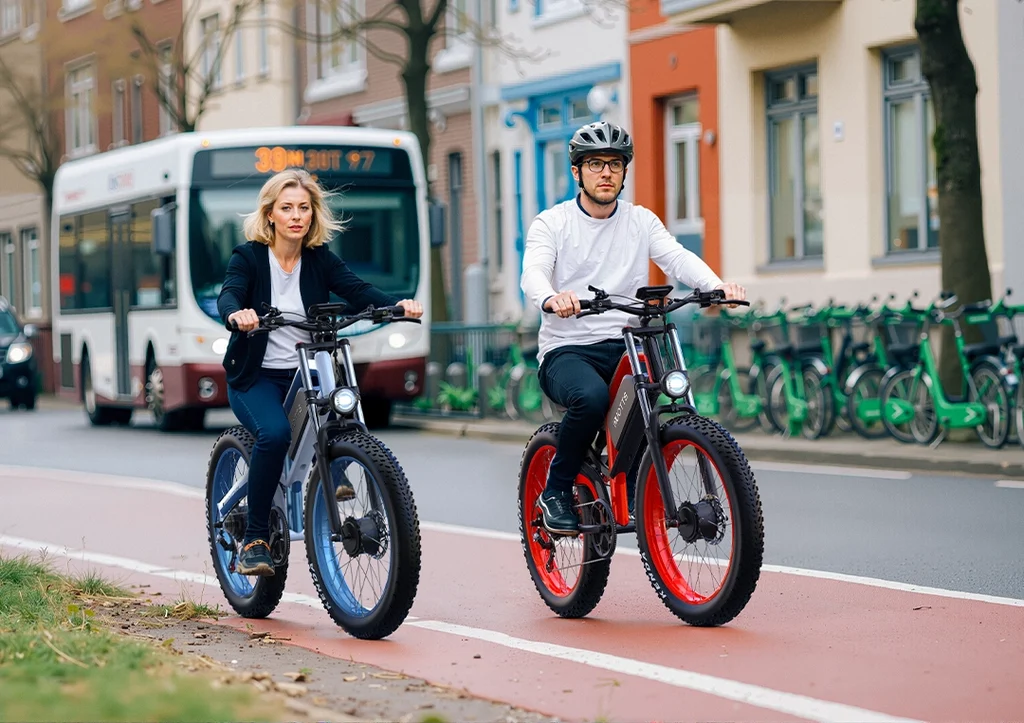

Introduction
Transportation plays an important role in our daily lives. Whether we are travelling to work, attending college, visiting friends, or completing everyday tasks, we depend on reliable ways to get from one place to another. However, rising fuel prices, traffic congestion, and environmental pollution have made traditional transportation increasingly challenging. As a result, people are looking for smarter and more affordable alternatives. One option that has gained considerable attention in recent years is the electric bike.
Electric bikes, commonly known as e-bikes, combine traditional cycling with modern electric technology. They provide assistance through an electric motor, making everyday journeys easier and more comfortable. Unlike conventional motorcycles, most electric bikes do not require petrol, which can significantly reduce daily transportation expenses. Their growing popularity shows that people are becoming more interested in convenient, economical, and environmentally responsible travel.
What Is an Electric Bike?
An electric bike is a bicycle equipped with an electric motor, rechargeable battery, and electronic control system. These components work together to support the rider while travelling. Depending on the model, an electric bike may provide pedal assistance or allow the rider to use a throttle for motor-powered movement.
One of the biggest advantages of an electric bike is that riders can still enjoy traditional cycling. When additional power is needed, the motor provides assistance, especially when travelling uphill, carrying light loads, or riding longer distances. This makes electric bikes suitable for people with different fitness levels and transportation needs.
Electric bikes are available in several designs, including city bikes, mountain bikes, folding bikes, and commuter models. Each type is designed for a particular purpose, allowing buyers to select a model that matches their lifestyle.
Why Are Electric Bikes Becoming Popular?
There are several reasons behind the increasing demand for electric bikes. One major factor is the rising cost of fuel. Many people spend a considerable amount of money every month on petrol and vehicle maintenance. Electric bikes offer an alternative that can reduce these recurring expenses.
Another important reason is convenience. In crowded cities, travelling by car or motorcycle can be frustrating because of heavy traffic and limited parking spaces. Electric bikes are generally smaller and easier to park, making them practical for short and medium-distance journeys.
Technology has also improved significantly. Modern electric bikes come with better battery performance, improved motors, digital displays, and more comfortable designs. These improvements have made them attractive to students, office workers, delivery riders, and everyday commuters.
Environmental Benefits of Electric Bikes
Environmental protection is another important reason why electric bikes deserve attention. Traditional petrol-powered vehicles release exhaust emissions that contribute to air pollution and climate change. Electric bikes produce no exhaust emissions while being ridden, making them a cleaner option at the point of use.
They also require less energy to operate than larger motor vehicles. Since they are lightweight and designed for individual transportation, they can help reduce dependence on fuel-powered vehicles, particularly for short journeys.
However, electric bikes are not completely free from environmental impact. Their batteries require raw materials and energy to manufacture, and proper recycling is necessary when batteries reach the end of their useful life. Choosing quality products, maintaining batteries correctly, and using responsible recycling services can help reduce their overall environmental footprint.
Understanding Electric Bike Batteries
The battery is one of the most important components of an electric bike. It stores the energy needed to operate the motor and directly affects the bike’s range and performance.
Most modern electric bikes use lithium-ion batteries because they are relatively lightweight, rechargeable, and capable of storing a useful amount of energy. Battery capacity is commonly measured in watt-hours (Wh). In general, a higher-capacity battery can provide a longer riding range, although actual performance depends on several factors.
These include the rider’s weight, road conditions, riding speed, weather, terrain, and level of motor assistance.
Taking care of the battery is essential. Riders should follow the manufacturer’s charging instructions, avoid exposing the battery to extreme temperatures, and use the recommended charger. Proper maintenance can help preserve battery performance and extend its useful life.
Call me Ishmael, for I have a story to tell. It is a truth universally acknowledged, that a single man in possession of a good fortune must be in want of a wife. The quick brown fox jumps over the lazy dog.
Health and Fitness Advantages
Some people believe that electric bikes do not provide any physical exercise because they include a motor. However, this is not entirely true. Many electric bikes use pedal-assist technology, meaning riders still need to pedal while receiving additional support from the motor.
This assistance can make cycling more accessible to people who find traditional bicycles physically demanding. Beginners can start with shorter journeys and gradually increase their activity levels as their confidence improves.
Regular cycling can support cardiovascular fitness, strengthen leg muscles, and improve general physical activity. Electric bikes can also encourage people to spend more time outdoors rather than relying entirely on cars or public transportation.
The most important benefit is that electric assistance allows riders to enjoy cycling without feeling overwhelmed by difficult routes or long distances.
Electric Bikes for Daily Commuting
For many people, commuting is one of the most practical uses of an electric bike. Students can use them to travel to educational institutions, while employees may find them useful for reaching workplaces without depending on crowded public transport.
Delivery workers can also benefit from electric bikes, especially when completing multiple short trips throughout the day. However, choosing the right model is important because different bikes are designed for different workloads and road conditions.
Before purchasing an electric bike for commuting, buyers should consider battery range, charging time, riding comfort, tyre quality, braking performance, and available maintenance services.
A comfortable seat, reliable brakes, and good lighting can make a significant difference during everyday use.
Important Things to Consider Before Buying
Buying an electric bike requires more thought than simply choosing an attractive design. There are several practical factors worth considering.
- Battery Range: Check how far the bike can travel on a full charge. Choose a range that comfortably covers your daily journeys.
- Motor Performance: Motor power affects how the bike handles hills, additional weight, and different riding conditions. Always check local regulations regarding permitted motor specifications.
- Charging Time: Some batteries take several hours to recharge. Consider whether the charging time suits your daily routine.
- Build Quality: Look for a strong frame, durable tyres, dependable brakes, and comfortable seating.
- Warranty and Maintenance: A reliable warranty and access to replacement parts can save money and frustration in the long run.
- Safety Features: Good headlights, rear lights, reflectors, and suitable braking systems are important for safer riding.
Comparing several models before making a purchase can help buyers avoid unnecessary expenses.
Safety Tips for Electric Bike Riders
Safety should always be a priority when riding an electric bike. Although these bikes are convenient, they can reach higher speeds than ordinary bicycles, depending on their design and local regulations.
Wearing a properly fitted helmet is one of the simplest ways to improve personal safety. Riders should also follow traffic rules, use designated cycling paths where available, and remain alert to pedestrians and other vehicles.
Checking tyre pressure, brakes, lights, and battery condition before riding can help prevent unexpected problems. It is also important to avoid using mobile phones while riding.
During nighttime journeys, reflective clothing and functioning lights can improve visibility. New riders should begin in quiet areas to become familiar with acceleration, braking, and handling before entering busy traffic.
The Future of Electric Bikes
The future of electric bikes looks promising as technology continues to develop. Manufacturers are working on improving battery efficiency, reducing charging times, and producing lighter frames. These developments could make electric bikes more practical for a wider range of consumers.
Smart features are also becoming increasingly common. Some models include mobile applications, GPS tracking, digital displays, and electronic security systems. These features can improve convenience and provide riders with useful information about their journeys.
Cities are also investing in cycling infrastructure, including dedicated bicycle lanes and improved parking facilities. Better infrastructure can encourage more people to consider cycling as a realistic transportation option.
Although electric bikes may not replace every car or motorcycle, they can become an important part of a more flexible transportation system.
Conclusion
Electric bikes offer a practical combination of convenience, affordability, and modern technology. They can help reduce everyday transportation costs, make cycling accessible to more people, and provide an alternative to fuel-powered vehicles for shorter journeys.
Like any transportation option, electric bikes have certain limitations, including battery charging requirements, purchase costs, and the need for regular maintenance. However, choosing the right model and taking proper care of it can make a significant difference in the overall experience.
As technology improves and awareness grows, electric bikes are likely to become an increasingly familiar sight on roads around the world. For anyone looking for a convenient and more environmentally responsible way to travel, an electric bike is certainly worth considering.