
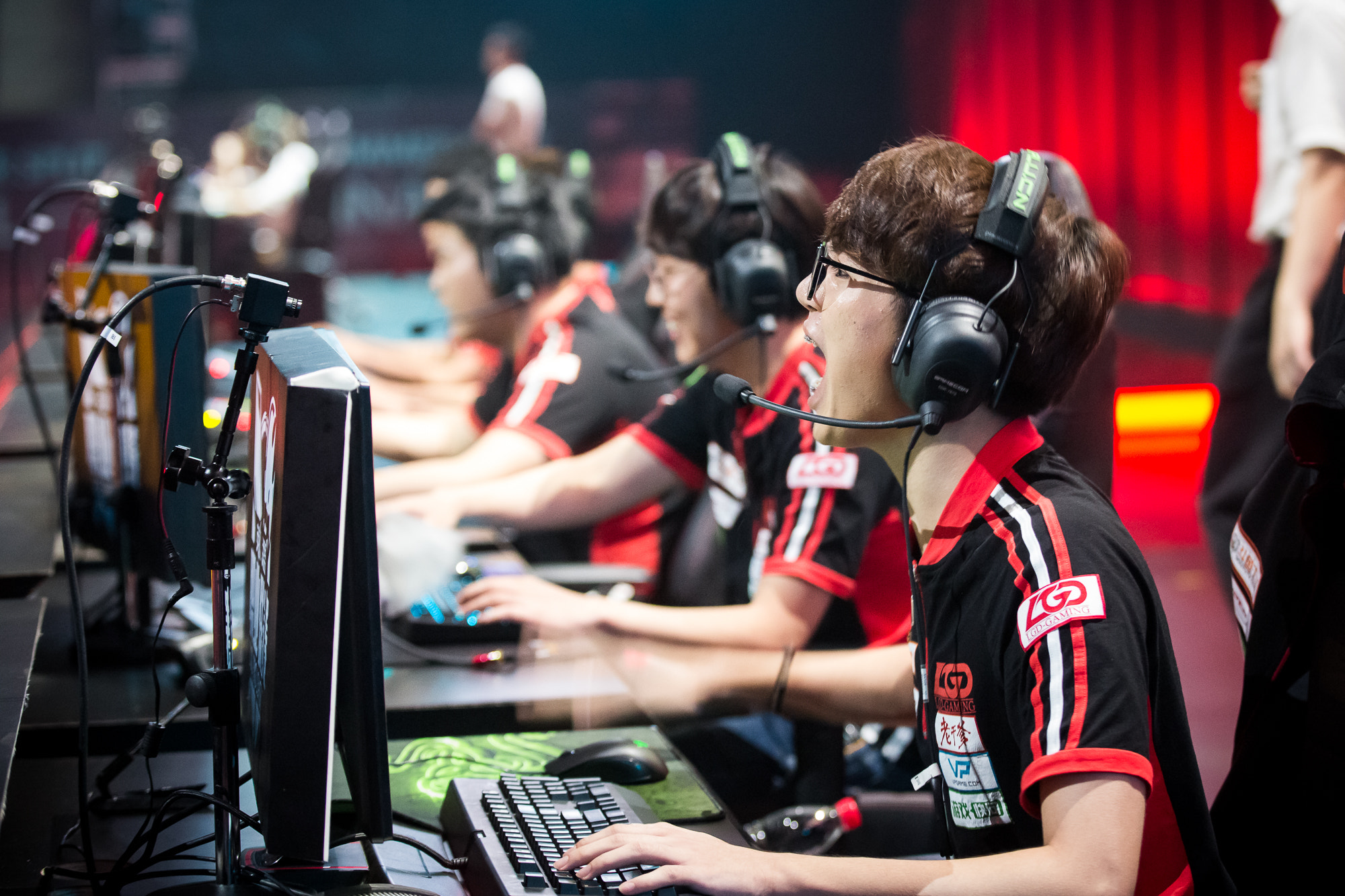

The world of competitive gaming has grown into a global entertainment industry, attracting millions of players, fans, and viewers. From professional tournaments to online competitions, esports continues to transform how people experience video games. Platforms such as Mansion88: lease are part of the wider online gaming landscape that attracts attention from gaming enthusiasts. As the industry develops, esports reviews have become an important resource for players and audiences looking for information about games, competitions, platforms, and the latest gaming trends.
Understanding the Growth of Esports
Esports, also known as electronic sports, refers to organized competitive video gaming. Players compete individually or as members of professional teams across different game genres. Popular titles include multiplayer online battle arenas, first-person shooters, real-time strategy games, and sports simulations.
Over the past decade, esports has experienced remarkable growth. What once started as small gaming competitions has developed into an international industry with professional organizations, dedicated arenas, sponsorship agreements, and substantial tournament prize pools.
The accessibility of online streaming has also contributed to this expansion. Platforms allow fans to watch competitions from almost anywhere, follow their favorite teams, and interact with other gaming enthusiasts. This growing audience has increased the demand for reliable esports information and detailed reviews.
Why Esports Reviews Matter
Esports reviews help readers understand the quality, performance, and overall experience of competitive gaming products and services. With so many games, tournaments, and platforms available, choosing where to spend time and money can sometimes be challenging.
A detailed review provides useful information about different aspects of the gaming experience. It can examine gameplay mechanics, graphics, server performance, competitive balance, user experience, and available features.
For newcomers, reviews offer an introduction to the esports environment. Experienced players can also benefit from expert analysis when evaluating new games, updates, and competitive opportunities.
Reliable reviews should be informative, balanced, and transparent. Instead of focusing only on positive features, they should discuss limitations and potential concerns so readers can make informed decisions.
Popular Esports Games Worth Following
One of the most interesting aspects of esports is the variety of games available to competitive players. Different titles offer unique mechanics, strategies, and tournament experiences.
Multiplayer Online Battle Arena Games
MOBA games are among the most popular esports categories. These games usually involve two teams competing to destroy the opposing team’s main objective. Players select characters with different abilities and work together to achieve victory.
Team coordination, strategic planning, and individual performance are essential elements of successful gameplay. Competitive reviews often examine character balance, map design, game updates, and tournament performance.
First-Person Shooter Games
First-person shooter titles attract audiences through fast-paced action and tactical gameplay. Players must demonstrate accuracy, communication, reaction speed, and strategic awareness.
Esports reviews in this category often focus on weapon balance, map layouts, competitive matchmaking, graphics, and server stability. These factors can influence both casual enjoyment and professional competition.
Sports Simulation Games
Sports simulation games recreate real-world sporting experiences in a digital environment. Football, basketball, and racing simulations have established dedicated competitive communities.
Reviews generally examine realistic gameplay, controls, visual quality, available teams, and multiplayer functionality. Regular updates can also influence the overall experience.
Important Factors to Consider in an Esports Review
A high-quality esports review should cover several important areas to provide readers with a complete understanding of a game or platform.
- Gameplay and Performance
Gameplay is one of the most important elements of any competitive title. Smooth controls, responsive mechanics, and consistent performance contribute to a positive experience. Technical issues such as lag, crashes, and unstable connections can negatively affect competitive matches.
- Graphics and Sound Quality
Visual presentation and sound design help create an immersive gaming environment. Clear animations, detailed environments, and useful audio effects can improve the overall experience. However, competitive games should prioritize performance and visual clarity rather than unnecessary graphical effects.
- Competitive Balance
Fair competition is essential for the long-term success of esports. Characters, weapons, teams, and gameplay mechanics should be reasonably balanced. Developers must regularly monitor feedback and introduce updates when certain elements create unfair advantages.
- Community and Multiplayer Features
A strong gaming community can make a significant difference. Multiplayer options, matchmaking systems, communication tools, and community events help players remain engaged.
- Security and User Experience
Online gaming platforms should provide clear policies, secure account management, transparent terms, and accessible customer support. Users should understand the platform’s rules and avoid sharing sensitive account information.
The Role of Esports Tournaments
Professional tournaments are a major attraction within the esports industry. They bring together skilled competitors from different countries and allow audiences to experience high-level gaming.
Major competitions often include qualifying rounds, group stages, playoffs, and championship matches. These formats create opportunities for emerging teams while allowing established organizations to demonstrate their abilities.
Tournament reviews help fans understand match results, team strategies, standout performances, and important developments. They can also provide context about player transfers, roster changes, and competitive rankings.
For esports enthusiasts, following tournament coverage is an excellent way to stay informed about the industry’s direction.
How Technology Is Shaping Esports
Technology continues to influence nearly every aspect of competitive gaming. Improvements in internet connectivity, gaming hardware, streaming services, and software development have made esports more accessible.
High-refresh-rate monitors, responsive peripherals, and powerful computers allow players to compete with greater precision. Meanwhile, streaming technology helps tournaments reach audiences around the world.
Artificial intelligence and data analytics are also becoming useful tools. Teams can analyze player performance, identify strategic patterns, and review match statistics to improve their competitive approach.
As technology advances, esports experiences are likely to become more interactive, accessible, and sophisticated.
Esports Reviews and Responsible Gaming
Responsible gaming should remain an important consideration for everyone participating in the online gaming environment.
Players should maintain healthy gaming habits, establish reasonable time limits, and balance entertainment with everyday responsibilities. Competitive pressure should never become a reason to neglect personal well-being.
When reviewing gaming platforms, readers should pay attention to age requirements, privacy policies, security measures, and applicable local regulations. Any platform involving financial transactions should be evaluated carefully, with users understanding the relevant risks and conditions before participating.
A responsible approach helps create a safer and more enjoyable gaming community.
The Future of Esports
The future of esports looks promising as more organizations, developers, and audiences become involved in competitive gaming. International tournaments, university esports programs, professional teams, and online communities are helping establish esports as a mainstream entertainment category.
Mobile esports is another area experiencing considerable growth. Smartphones have made competitive gaming accessible to a wider audience, particularly in regions where dedicated gaming computers and consoles may be less common.
In addition, improvements in broadcasting and interactive viewing experiences may create new opportunities for fans to connect with competitions.
The industry’s continued development will depend on fair competition, responsible management, technological innovation, and strong community engagement.
Conclusion
Esports has developed into a dynamic global industry that combines entertainment, technology, competition, and community engagement. Detailed esports reviews help players and fans understand games, evaluate platforms, follow tournaments, and make better-informed decisions.
Whether someone is a beginner discovering competitive gaming or an experienced enthusiast following professional tournaments, reliable information makes the experience more valuable. By focusing on gameplay quality, competitive fairness, security, and responsible participation, esports reviews can contribute to a more informed and sustainable gaming community.