
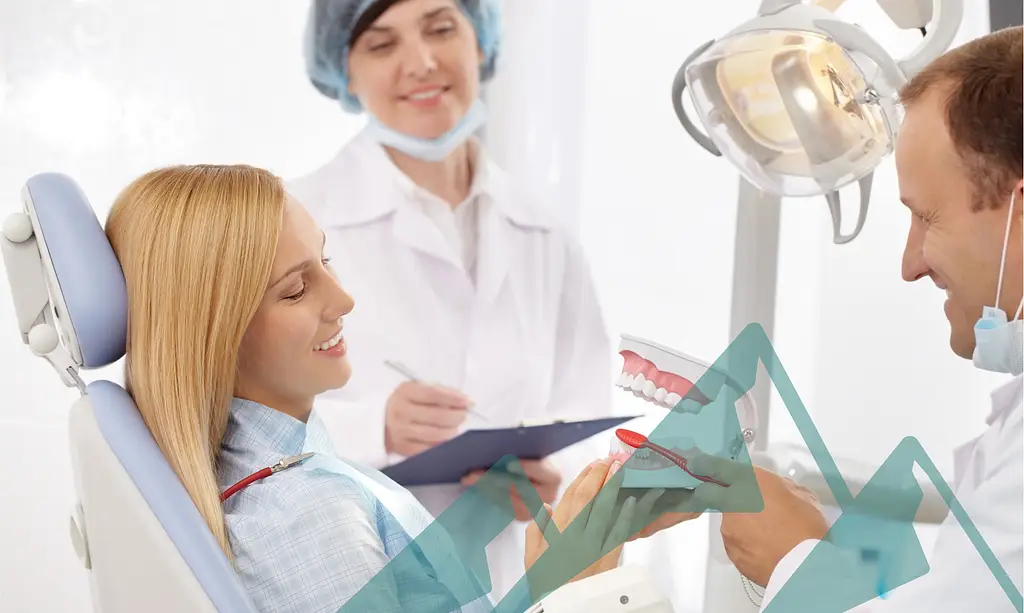

You may not notice hidden oral problems until they become severe. Preventive dentistry helps you catch these issues early. Regular check-ups and cleanings play a crucial role in maintaining your oral health. When you visit a holistic dentist in Fresno, you receive care that focuses on your overall well-being. This approach balances traditional methods with natural ones, aiming to prevent disease before it starts. Preventive dentistry includes simple practices. These are brushing, flossing, and routine visits to the dentist. They all prevent decay, gum disease, and other hidden issues. Addressing these concerns early can save you from more intensive treatments later. It’s not just about your teeth. It’s about your quality of life. Taking these steps today means fewer problems tomorrow. Prevention empowers you to control your health. Understanding this protects your smile and provides peace of mind. A few simple habits make a big difference.
What is Preventive Dentistry?
Preventive dentistry involves maintaining your oral health through periodic care. It emphasizes regular dental exams, professional cleanings, and patient education. You brush and floss daily. You also visit your dentist regularly. These actions focus on preventing cavities, gum disease, and enamel wear. When left unchecked, these issues lead to severe complications.
The Importance of Early Detection
Early detection identifies issues before they escalate. Regular visits allow dentists to spot signs of decay or disease. By addressing these areas quickly, you avoid painful and costly treatments. This approach makes a significant difference in your oral health journey.
Simple Practices for Prevention
Maintain daily hygiene routines to keep your teeth and gums healthy. Follow these simple steps:
- Brush twice a day with fluoride toothpaste.
- Floss daily to remove plaque between teeth.
- Use mouthwash to reduce bacteria.
- Eat a balanced diet and limit sugary snacks.
Comparing Preventive Dentistry vs. Reactive Dentistry
| Preventive Dentistry | Reactive Dentistry |
|---|---|
| Focuses on regular check-ups and cleanings. | Addresses issues after they occur. |
| Reduces risk of cavities and gum disease. | Can require more invasive treatments. |
| Lower long-term costs. | Higher potential costs from advanced treatments. |
Benefits for Overall Health
Oral health links closely to your overall health. Poor oral hygiene contributes to conditions like heart disease and diabetes. Preventive dentistry helps you maintain a healthy mouth, which supports your body. The Centers for Disease Control and Prevention (CDC) emphasizes the connection between oral and overall health.
Empowering Patients Through Education
Understanding preventive practices gives you control over your oral health. Dentists educate you on proper techniques and habits. This knowledge empowers you to take active steps toward a healthier future.
The Role of Professional Cleanings
Professional cleanings remove plaque and tartar that brushing alone cannot. They prevent gum disease and freshen breath. These appointments provide an opportunity for early detection by your dental professional.
Choosing the Right Dentist
Select a dentist who prioritizes preventive care. Look for professionals who offer education and personalized plans. A dentist focused on prevention will help you maintain optimal health.
Conclusion
Preventive dentistry protects you from hidden oral problems. This proactive approach means less pain and fewer expenses. Embrace the benefits of regular care and simple daily practices. Your oral health plays a vital role in your overall well-being. By choosing prevention, you invest in a healthier future. For more information, visit the National Institute of Dental and Craniofacial Research (NIDCR) for detailed guidance and resources. You deserve to smile with confidence. Prevention is the key to achieving that goal.