
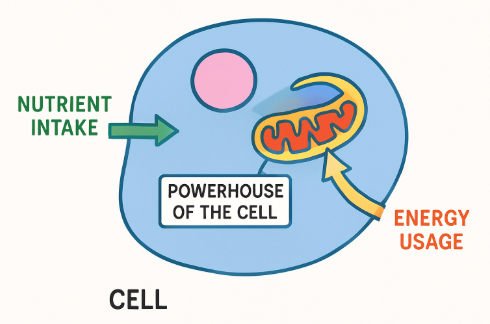

Metabolism plays a vital role in every living cell, driving the chemical reactions that support life. This complex system of reactions allows organisms to harness energy from nutrients, which powers everything from cell repair to mobility. Central to this process is the generation and management of cellular energy, particularly in the form of adenosine triphosphate (ATP). For anyone seeking a deeper understanding of how the body turns food into energy, learning about metabolism is essential. Companies focused on cellular health, such as MitoSynergy, draw on this science to offer targeted solutions to optimize mitochondrial function.
Metabolism is essential for converting nutrients into usable fuel, facilitating cell division, tissue repair, and the formation of vital biomolecules. The regulation of energy pathways is critical for cellular vitality and stress recovery. Key metabolic processes include glycolysis and oxidative phosphorylation, with ATP as the main energy currency. Metabolic flexibility enables adaptation to changes in nutrient availability, while disruptions can lead to diseases such as cancer and diabetes. Understanding these processes is vital for energy balance and promoting healthy living across life stages.
Metabolism and Cellular Energy
At its core, metabolism encompasses all biochemical transformations occurring within cells, organized into pathways that extract energy from carbohydrates, fats, and proteins. These pathways yield products for immediate energy use or storage. Catabolic processes, which break down molecules like glucose, generate ATP, fuel for the energy-consuming anabolic processes that build complex molecules vital for cell growth and repair. The efficient interplay between catabolic and anabolic pathways ensures consistent energy production, stress adaptation, and resilience to environmental changes, which are essential for cellular and tissue health. Research from institutions such as the National Institutes of Health underscores the importance of effective energy management for long-term cellular function.
ATP: The Energy Currency of the Cell
ATP acts as the cell’s rechargeable battery, supplying the energy required for nearly every cellular process. Structurally, ATP is composed of an adenine base, a ribose sugar, and three phosphate groups joined by high-energy bonds. When these bonds are broken, particularly the bond connecting the outermost phosphate, energy is released, and the cell uses this energy to perform work. Movement, signal transmission, molecular synthesis, and even DNA replication all rely on a steady supply of ATP.
ATP regeneration is a continuous process. As ATP is hydrolyzed to ADP (adenosine diphosphate) and phosphate, enzymes within the cell rapidly recycle the components to form new ATP molecules. This cycle enables cells to match energy supply with immediate demands, making ATP a crucial component in every tissue, from the brain to the muscles.
Glycolysis and Oxidative Phosphorylation
The primary metabolic pathways that generate ATP are glycolysis and oxidative phosphorylation. Glycolysis, occurring in the cell’s cytoplasm, is an anaerobic process. It breaks glucose down into pyruvate, producing a modest yield of ATP and providing quick energy when oxygen is low. This pathway is especially important in tissues such as red blood cells and fast-twitch muscle fibers, which often experience limited oxygen.
In cells with ample oxygen, pyruvate produced by glycolysis is transported into the mitochondria, where oxidative phosphorylation takes over. Here, electrons from nutrients are transferred through an electron transport chain in the mitochondrial membrane. The resulting proton gradient powers the synthesis of large amounts of ATP. Oxidative phosphorylation is highly efficient, responsible for generating most of the cell’s energy. According to Nature Education, these pathways are essential for meeting the higher energy demands of organs such as the heart and brain.
Metabolic Flexibility and Adaptation
Metabolic flexibility is the remarkable ability of cells to adjust their energy-producing mechanisms in response to fuel availability and environmental stress. This adaptability ensures survival during periods of fasting, exercise, or low oxygen. When oxygen is plentiful, cells maximize ATP production through oxidative phosphorylation. If oxygen becomes scarce, cells switch to glycolysis, maintaining energy output albeit less efficiently.
However, persistent reliance on glycolysis can lead to lactate accumulation, causing acidosis and potentially impairing cellular function. Adaptation is not only about shifting between energy sources but also about responding to changing hormone levels or nutrient availability. This fine-tuned control underscores why some people thrive under varied diets and exercise conditions, while others may struggle with metabolic disorders.
Metabolism in Health and Disease
When metabolic pathways are disrupted, significant health consequences arise, exemplified by cancer. In cancer, cells exhibit the Warburg effect, prioritizing glycolysis for energy production regardless of oxygen availability, thereby facilitating rapid growth and proliferation. Understanding these metabolic changes has been critical to developing innovative cancer therapies. Similarly, metabolic inflexibility is a hallmark of obesity, insulin resistance, and type 2 diabetes, in which cells fail to effectively switch between fuel sources, leading to chronic high blood sugar, inflammation, and decreased energy production. Successful interventions typically focus on restoring metabolic flexibility and reestablishing the body’s energy regulation systems. Comprehensive resources from organizations such as the Centers for Disease Control and Prevention (CDC) provide additional support for preventing and managing these prevalent metabolic disorders.
Conclusion
The connection between metabolism and cellular energy is a cornerstone of health and vitality. Through well-coordinated metabolic pathways, cells continually convert nutrients into the energy necessary for life. By understanding and supporting how our bodies produce ATP and adapt to environmental challenges, individuals can take meaningful steps toward lasting health. Advances in this field offer real promise for addressing a broad range of diseases and optimizing energy at the cellular level for everyone.