

Introduction to Managed Portfolios
Investors today are challenged by ever-shifting global markets, evolving regulations, and a growing menu of investment choices. For those seeking not only to protect their wealth but also to pursue growth, managed portfolios offer a practical solution. Managed portfolios entrust day-to-day investment decisions to seasoned fund managers who craft strategies rooted in research, prudence, and agility. For many, choosing between managed portfolios and going it alone is an important step toward aligning their approach with their goals. If you’re comparing managed investing vs self-directed investing, understanding the structure and potential of managed portfolios is a good place to start.
By leveraging a managed portfolio, investors gain the benefits of professional management that goes beyond just picking stocks or bonds. The constant oversight and adaptability found in these portfolios help investors feel confident, especially when market conditions appear uncertain or volatile.
Professional Oversight and Risk Management
A chief advantage of managed portfolios is the level of professional oversight they offer. Fund managers continually assess the market environment and recalibrate asset allocations as needed, drawing from deep industry experience and technical tools unavailable to most individual investors. This oversight is especially valuable during periods of economic turmoil, when market swings can quickly erode individual portfolios. Instead of reacting from a place of panic, managed portfolio managers rely on defined processes and real-time analysis to minimize downside risk and refocus on long-term goals.
The implementation of rigorous risk management strategies is another distinguishing factor. Portfolio managers routinely employ techniques such as scenario analysis, stress testing, and diversification to insulate clients against severe losses. With a structured approach to risk, managed portfolios help investors avoid common pitfalls and maintain steady progress toward their financial aspirations.
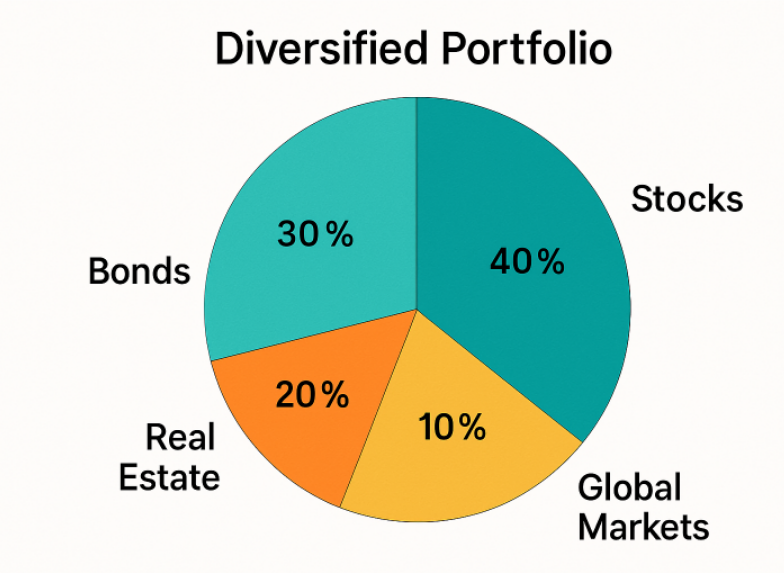
Diversification remains one of the most effective ways to mitigate investment risk. In managed portfolios, diversification is systematically built into the investment process. These portfolios often span multiple asset classes such as equities, fixed income, real estate, and alternatives, to create a balanced investment landscape. By holding a mix of assets that move independently, investors are better shielded from the negative impact that may arise from poor performance in a single sector or asset class.
This blend of assets gives managed portfolios a distinct edge over self-created, narrowly focused portfolios that might inadvertently increase exposure to market shocks. Practiced fund managers can fine-tune the mix as market conditions change, delivering resilience and optimal risk-adjusted returns.
Diversification isn’t solely about the types of investments. Geographic diversification, the practice of investing in markets across different regions, also strengthens portfolio resilience. Allocating capital to both developed and emerging markets, for instance, lowers the risk presented by isolated economic downturns. When one region faces headwinds, growth opportunities in another can help maintain the overall balance and performance, as shown in recent financial analyses. This approach helps create a protective buffer against singular market events.
Active Management and Market Adaptability
Unlike traditional passive investing, managed portfolios often utilize active management. This means fund managers respond in real-time to shifts in the global landscape, making portfolio adjustments based on emerging data and market signals. During periods of uncertainty, this adaptability can significantly impact outcomes. Managers can quickly capture opportunities or reduce exposure when risk increases, often before broader market trends emerge.
According to a 2024 survey by Natixis Investment Managers, nearly 7 out of 10 professional fund selectors believe active management is vital for outperformance, especially in unpredictable markets. Timeliness, discipline, and research-driven adjustments set managed portfolios apart from the more static self-directed strategies.
Reducing Emotional Decision-Making
Emotional investing is a common cause of poor long-term performance. When faced with sharp declines or sudden rallies, many individual investors make hasty decisions that can undermine their financial goals. Managed portfolios reduce this risk by placing investment decisions in the hands of professionals who have experience navigating market psychology and acting based on data, not emotion. Clients benefit from a disciplined, process-driven approach that keeps portfolios aligned with their stated risk tolerances and objectives.
According to the Wall Street Journal, relying on professional management and regular reviews lowers the chances of emotional missteps and supports more consistent growth over time.
Access to Expert Financial Strategies
Seasoned investment managers bring advanced expertise and insights to managed portfolio clients. They have access to research, financial models, and analytic tools that few individual investors can match. These resources enable fund managers to tailor strategies, optimize tax efficiency, and deploy sophisticated risk controls tailored to each investor’s unique profile.
For investors with complex financial needs or specific objectives, such as estate planning or sustainable investing, managed portfolios offer customization and proactive guidance that would be difficult to replicate independently. Their ability to implement advanced strategies and pivot with market shifts adds significant value to the investment experience.
Final Thoughts
Managed portfolios represent a comprehensive solution for investors wishing to stay ahead amid uncertainty and complexity. By combining professional oversight, systematic diversification, active management, and tailored financial strategies, these portfolios provide the foundation for long-term financial security and growth. For individuals seeking an investment strategy built on expertise and careful discipline, managed portfolios deliver measurable advantages that self-directed investing may struggle to match.