
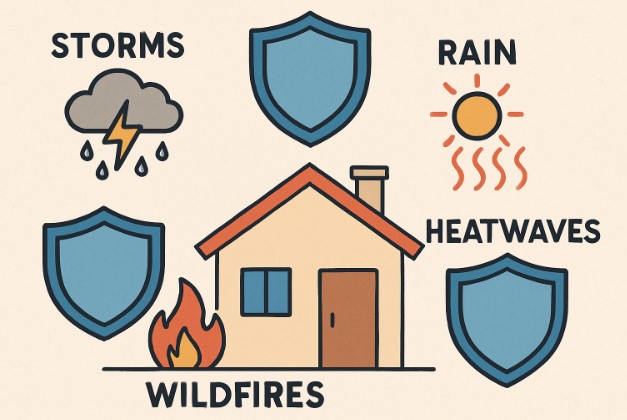

With a rise in unpredictable weather, homeowners across the United States are being forced to rethink how they protect their properties. The growing frequency and intensity of storms, heatwaves, and other weather extremes highlight the importance of a more comprehensive approach to home protection. Proactive measures and smarter insurance choices, such as considering triple A home insurance, are rapidly becoming essential parts of responsible homeownership.
As these environmental disruptions become part of daily life, merely relying on traditional strategies is no longer enough. The unpredictability of severe weather poses new risks that can impact not only the structural integrity of homes, but also the financial stability of families everywhere. More homeowners now seek guidance, resources, and tailored solutions to enhance safety and resilience against climatic threats.
Government agencies, insurance providers, and communities are all responding to this shift. Enhanced building codes, informative public resources, and comprehensive preparedness plans are just some of the ways people are adapting to the realities brought on by climate change. Whether you live in wildfire-prone regions, hurricane corridors, or drought-affected zones, understanding these trends is crucial for long-term property protection.
Now is the time for homeowners to anticipate future challenges and take decisive action to fortify their properties. Both individual and collective efforts are required to face these evolving threats, ensuring protection for families and investments.
Rising Frequency of Extreme Weather Events
In recent years, there has been a clear increase in the occurrence of extreme weather events across the US. Homeowners are increasingly concerned about the effects of hurricanes, torrential rains, wildfires, and record-breaking heatwaves. According to a 2025 survey, nearly half of US homeowners said that the threat of climate-related damage was influencing their housing decisions, demonstrating how profoundly these changes are shaping communities. These trends have been noted by research organizations, which report that severe weather now impacts more Americans than ever before.
Impact on Home Insurance
Insurance companies are racing to keep up. As weather risks increase, so does the complexity of writing and maintaining home insurance policies. From 2018 to 2023, there was a marked rise in homeowners having their insurance either not renewed or seeing significant premium hikes, especially in disaster-prone regions such as California and Florida. The reality is that traditional insurance policies may not address new types of damages caused by changing climate patterns. This places pressure on homeowners to carefully review coverage limits, exclusions, and premium changes each renewal cycle. Industry analysis by The Wall Street Journal suggests that re-evaluating home insurance options is a crucial step in risk management in the current climate.
Proactive Home Improvements
Rather than waiting for disaster to strike, many homeowners are opting for preventive upgrades. A 2025 report found that 33% of homeowners took steps in the past year to improve weather resilience—measures like installing wind-resistant windows and doors, adding sump pumps, or improving drainage systems. These proactive actions can reduce damage and may even lead to lower insurance rates. Practical improvements not only help guard against losses, but also add to property value and peace of mind.
Regional Climate Trends and Home Protection
Every area of the country faces unique challenges. For example, homeowners in the Western US frequently contend with wildfires and prolonged droughts, while those in the Southeast brace for hurricanes and flooding. Understanding local climate risks is essential to selecting the right strategies for protection. In 2024, 37% of Western homeowners reported investing in mitigation, outpacing those in any other region. Knowing these trends allows property owners to align investments and preparations with location-specific threats, ensuring tailored and effective solutions.
Financial Implications for Homeowners
The potential costs are significant. Severe weather causes billions in property damage every year, with a growing portion falling to homeowners. In 2024, nearly half of surveyed homeowners spent more than $5,000 on unplanned repairs related to weather damage. This financial burden underscores the importance of adequate insurance and proactive home maintenance. Setting aside an emergency fund or exploring government-sponsored relief programs can also help families stay prepared for unforeseen expenses.
Community and Government Initiatives
Support is available beyond the individual homeowner. National and local government agencies, in partnership with insurance regulators, have stepped up their efforts to educate the public and offer assistance. Resources like the National Association of Insurance Commissioners’ disaster guides provide homeowners with valuable checklists and information. Some municipalities are offering grants or rebates for weather-resistant home improvements, encouraging citizens to take preventive measures while reducing overall community risk. These efforts help foster safer environments and reduce the overall impact of future catastrophes.
Future Outlook and Preparedness
Looking to the years ahead, experts agree that extreme weather patterns will likely continue or even intensify. Homeowners, then, must take a proactive approach by staying informed about risks that affect their region, maintaining up-to-date insurance, and investing in property upgrades tailored to their local conditions. Preparing for tomorrow’s weather challenges today is an essential responsibility for anyone wishing to safeguard their home and loved ones.
By cultivating awareness and investing in resilience, homeowners can minimize risk and take charge of their future. The evolving landscape of home protection, shaped by changing weather patterns, demands informed action and long-term planning for peace of mind and security.