
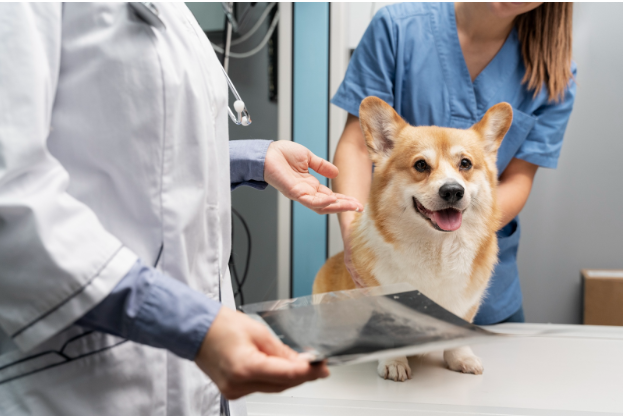

Becoming a pet parent is one of the greatest joys of life. It’s like bringing a bundle of joy and excitement home. That said, the first veterinary visit can be overwhelming for both of you.
Not sure where to begin? We’ve got you covered. Here’s how you can prepare for your pet’s first vet visit to ensure safety and health:
Schedule the Appointment Early
Vet visits are not optional. Experts actually recommend taking your new pet to the vet as early as the first week of adoption. The first visit helps establish a medical baseline, documenting weight, heart health, and overall well-being.
Early vet visits are critical for preventive care. The vet would check for common issues, such as fleas, ticks, ear mites, and intestinal parasites.
A vet visit also ensures vaccinations are up to date, which is crucial for pets that may be stressed by new environments.
Consider the Vet’s Reputation and Reviews
The expertise of a vet is critical for your pet’s health and long-term well-being. Therefore, before you book, consider their reputation. Make sure the vet has experience with your specific type of pet and breed. Some vets are experts in in-house diagnostics, others specialize in surgery.
Consider reviews left by previous pet parents on independent directories. Pay close attention to the communication style and demeanor.
Assess the Clinic’s Environment
The clinic’s environment can impact your experience. Make sure the clinic is clean, organized, and modern with up-to-date equipment. Observe how the staff interacts with pets. They should be compassionate and gentle.
The same goes when you’re looking for a groomer for your pet. Search dog groomers in Cypress, TX, to find the best-rated options. Shortlist options and choose the most reliable one, like Woof Gang Bakery & Grooming.
Know What to Expect
As hinted earlier, your pet’s first vet visit can be overwhelming. But knowing what to expect can ease some of your anxiety. The vet will likely do the following: perform a full physical exam. They will check your pet’s ears, eyes, teeth, skin, and joints. A vet will also listen to their heart and lungs. Take your pet’s weight and temperature. Discuss vaccinations, flea/tick control, and heartworm prevention. Consider nutritional needs. Discuss behavior and recommend training methods. Discuss spay/neuter options.
The more you know, the better you’ll understand when the vet explains the technicalities.
Gather Essential Medical Records
This is incredibly important. Make sure you take your pet’s existing health records, which you may have received from a shelter, breeder, or previous owner. This typically includes vaccination history, spay/neuter details, deworming records, and any past illnesses or treatments.
Accurate paperwork will help the vet build an accurate medical profile and suggest the best course of action.
Learn Ways to Reduce Your Pet’s Stress
Pets often fear new environments. And let’s just say – the vet clinic isn’t their favorite place to be. Reducing your furry friend’s stress is critical for their well-being. Do the following: bring treats to reward your pet. Remain calm yourself, as pets pick up on anxiety. Bring the leash or secure carrier.
Conclusion
Preparing for your pet’s first vet visit is really about setting the stage for a lifetime of good health and positive experiences. Scheduling the appointment early gives your vet a chance to establish a baseline and catch any issues before they become serious. Choosing a reputable clinic and paying attention to reviews helps ensure your pet is in capable, compassionate hands. Visiting the clinic ahead of time and observing the environment can ease your own nerves and help you decide whether it’s the right fit. Bringing medical records, knowing what to expect during the exam, and planning ways to reduce your pet’s stress all make the visit smoother and more productive. When you approach that first appointment with preparation and calm confidence, your pet feels safer, and you build a strong foundation for their long-term care.