

Table of Contents
- Schedule Annual Inspections
- Clean Your Chimney Regularly
- Burn Dry, Seasoned Wood
- Install a Chimney Cap
- Use a Fireplace Screen
- Monitor for Leaks or Moisture
- Install Carbon Monoxide Detectors
- Be Prepared for Emergencies
- Conclusion
Maintaining a safe and functional chimney is an essential part of homeownership that often goes overlooked. Throughout the year, chimneys are exposed to weather, soot buildup, and creosote accumulation, all of which can pose serious risks if left unattended. Regular attention helps prevent blockages, reduces the risk of chimney fires, and ensures that smoke and gases vent properly from your home. By understanding the key aspects of chimney care, homeowners can protect both their property and their family’s well-being.
One of the most effective ways to maintain chimney safety is through routine inspections and cleanings. Keeping the flue clear, checking for cracks or damage, and addressing any signs of wear promptly can prevent costly repairs and hazards. Schedule your chimney cleaning today to ensure it stays in good condition and functions safely year-round. Taking these preventive steps fosters peace of mind and contributes to a comfortable, worry-free home environment.
Schedule Annual Inspections
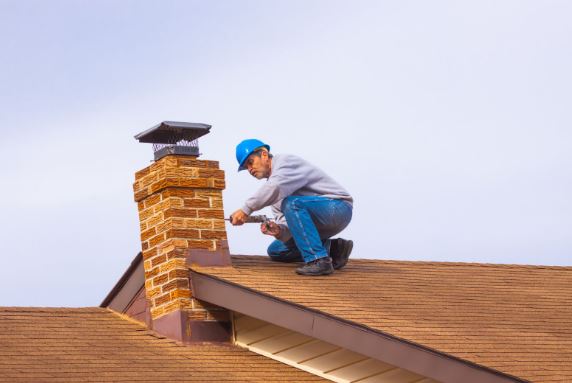
Annual chimney inspections are the foundation of year-round safety. According to the National Fire Protection Association, all chimneys should be inspected at least once a year to check for blockages, buildup, and damage. Certified chimney sweeps have the training to spot not only obvious issues like creosote but hidden problems like loose bricks, deteriorating liners, or animal nesting. Early detection through professional inspection can prevent chimney fires and costly repairs, ensuring safe and efficient use.
Clean Your Chimney Regularly
Chimney fires are often triggered by creosote, a highly flammable residue from burning wood that clings to the chimney’s inner walls. Removing this buildup annually is critical for fire safety, especially in homes where the fireplace is used frequently during colder months. For those with heavy usage, cleanings should be scheduled more than once per year. Routine cleaning maintains optimal draft and ensures that dangerous gases are properly vented outdoors.
Burn Dry, Seasoned Wood
What you burn directly affects chimney safety. Only use dry, seasoned hardwoods such as oak or maple, cured for at least six to twelve months. These woods burn hotter and produce less smoke, significantly reducing creosote formation. Avoid burning wet, unseasoned, or soft woods, as they produce excessive smoke and accelerate residue buildup in your chimney, creating a dangerous environment and a fire hazard.
Install a Chimney Cap
A chimney cap is a small but critical component for keeping your system safe year-round. It keeps out rain, snow, debris, and even small animals that might otherwise nest and block your flue. In addition, the cap serves as a spark guard, preventing hot embers from escaping the chimney and landing on your roof. A properly installed cap will reduce moisture-related damage and protect your fireplace’s structural integrity over time.
Use a Fireplace Screen
A fireplace screen is a simple safety tool that creates a barrier between the fire and your home’s interior. It stops sparks or embers from escaping the fireplace and coming into contact with combustible surfaces, such as rugs, furniture, or wooden floors. Screens can also keep small children and pets at a safe distance. Make sure your screen fits well and remains in good condition for optimal protection whenever the fireplace is in use.
Monitor for Leaks or Moisture
Unchecked moisture can inflict severe damage on your chimney’s bricks and mortar, undermining its strength and safety. Look for early signs such as water stains, mildew odors, rusted damper parts, or visible wet spots. Addressing leaks promptly will help prevent costly repairs and mold or structural weakening. Regular inspections and timely repairs are key to maintaining chimney dryness and preventing deterioration.
Install Carbon Monoxide Detectors
Burning wood or gas in a fireplace produces carbon monoxide, a silent and odorless gas that can cause severe health problems or even death if it accumulates indoors. Place carbon monoxide detectors near the fireplace and throughout sleeping areas for early warning. Regularly test the devices and replace batteries to ensure continuous protection for your family’s safety. The Environmental Protection Agency provides valuable resources on carbon monoxide awareness and safety practices.
Be Prepared for Emergencies
Even with careful maintenance, emergencies are possible. Install a fire extinguisher rated for fireplace use in an accessible location. Ensure all household members know where it is and how to operate it properly. Additionally, develop a family fire escape plan and rehearse it regularly so that everyone can exit the home quickly and safely in an emergency. These precautions go a long way in limiting damage and protecting lives if an unexpected event occurs.
Conclusion
Taking a proactive approach to chimney care allows you to enjoy the warmth and ambiance of your fireplace without worry. By following these comprehensive steps, you help prevent chimney-related dangers while extending the life and performance of your system. Consistency is key. Make chimney safety a year-round priority for a secure, comfortable home.