
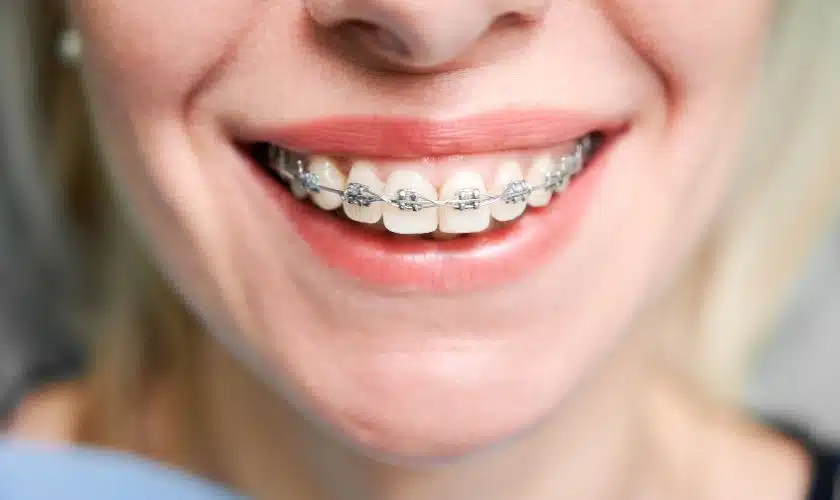

You might think braces are only for kids. They are not. More adults are choosing orthodontic treatment because they want teeth that look straight and feel strong. You may hide your smile in photos or avoid laughing at work. You may even feel jaw pain or have trouble cleaning crowded teeth. These problems do not fade with time. They grow. The good news is that teeth can move at any age. Today you have more choices. You can use clear aligners, ceramic braces, or other low profile options that fit into daily life. An orthodontist in South Torrance can study your teeth and bite, explain honest options, and build a clear plan. You deserve a smile that matches your effort in every part of life. This blog will explain what to expect, how treatment works, and how you can finally feel at ease when you smile.
Why adults choose orthodontic treatment now
Table Contents
Three reasons drive most adults to seek treatment.
- Comfort. Crowded or uneven teeth can cause jaw strain, worn teeth, and headaches. Straight teeth can spread biting forces and reduce stress on your jaw.
- Health. Crooked teeth trap plaque. This raises the chance of cavities and gum disease. Straighter teeth are easier to brush and floss.
- Confidence. You may avoid smiling at work, with family, or in photos. A straighter smile can support your social and work life and ease daily stress.
The American Association of Orthodontists reports that adults now make up a large share of orthodontic patients. Teeth and supporting bone can respond to gentle pressure at any age. You have not missed your chance.
How adult orthodontics works
Orthodontic treatment uses light, steady pressure to guide teeth into healthier positions. That pressure can come from braces or clear aligners. Your bone reshapes around the moving teeth. This process is natural and safe when a trained specialist plans and checks it.
At your first visit, you can expect three steps.
- A review of your health history and current medicines
- Photos, X rays, and digital scans of your teeth
- A talk about what bothers you and what you want from treatment
The orthodontist then builds a plan. That plan covers how long treatment will take, which tools will be used, and what it will cost. You should ask every question that comes to mind. Clear answers are part of safe care.
For general background on how teeth move and how braces and aligners work, you can read the National Institutes of Health overview of orthodontic care at NIDCR Braces and Retainers.
Options for adult orthodontic treatment
You have several choices. Each choice has strengths and limits. The right one depends on your teeth, your health, and your daily routine.
Common Adult Orthodontic Options
| Option | How it looks | Typical daily impact | Often best for
|
|---|---|---|---|
| Metal braces | Visible brackets on front teeth | Fixed. You avoid some foods and clean carefully | Simple and complex bite problems |
| Ceramic braces | Tooth colored brackets that blend in | Fixed. Similar care as metal braces | Adults who want less visible hardware |
| Clear aligners | Clear trays over teeth | Removable for eating and brushing | Mild to moderate crowding or spacing |
Every option needs steady use and good cleaning. If you choose aligners, you must wear them as directed, usually most of each day and night. If you choose braces, you must brush and floss with care around brackets and wires.
Special issues for adult patients
Adult mouths often have needs that children do not face. You might have fillings, crowns, missing teeth, or early gum disease. These conditions do not block treatment, but they change the plan.
- Gum health. Healthy gums are the base for tooth movement. If you have bleeding gums or bone loss, you may need gum treatment before or during orthodontics. You can read more about gum disease and treatment from the Centers for Disease Control and Prevention at CDC Periodontal Disease.
- Previous dental work. Crowns and bridges can move with braces or aligners, but they may move in different ways. Your orthodontist and general dentist should plan together.
- Jaw joint pain. Some adults seek treatment because of jaw pain or clicking. Orthodontics can sometimes help by improving the bite. The orthodontist will check your joints and may work with other specialists.
Clear, shared planning keeps treatment safe and steady. You should tell the orthodontist about every medicine, health condition, and past dental problem.
What to expect during treatment
Adult orthodontic treatment often lasts from one to three years. The length depends on how far teeth need to move and how closely you follow the plan.
You can expect three main phases.
- Active movement. Teeth move into better positions. You visit the office on a set schedule for adjustments or new aligners.
- Fine tuning. Small shifts improve how your teeth fit together. This stage can make chewing smoother and more stable.
- Retention. You wear retainers to hold the new positions. Retainers protect your investment of time and money.
You may feel short periods of soreness after adjustments or when you switch to a new aligner. Over the counter pain medicine and a soft diet for a day or two can help. You should call the office if pain is strong or if anything feels wrong.
Caring for teeth during orthodontic treatment
Good daily care keeps your teeth and gums strong during treatment. Poor cleaning can lead to white spots, cavities, and gum problems around brackets and attachments.
- Brush two times a day with fluoride toothpaste.
- Clean between teeth each day with floss, floss threaders, or small brushes.
- Limit sweet drinks and snacks that stick to teeth.
- See your regular dentist for cleanings and checks.
Your orthodontist and dentist can show simple cleaning tools that fit your braces or aligners. You do not need fancy gadgets. You need steady, thorough cleaning.
Taking the next step
You do not need to accept pain, worry, or shame about your teeth as a normal part of adult life. Orthodontic treatment is a clear, structured way to protect your mouth and your peace of mind.
Start with three steps.
- Write down what bothers you about your teeth or bite.
- Gather your dental history and a list of medicines.
- Schedule a visit with an orthodontist who treats adults.
Change can start with one honest talk. Your age does not block you. Your past choices do not define you. You can choose a straighter smile that supports your health, your work, and your daily life.