


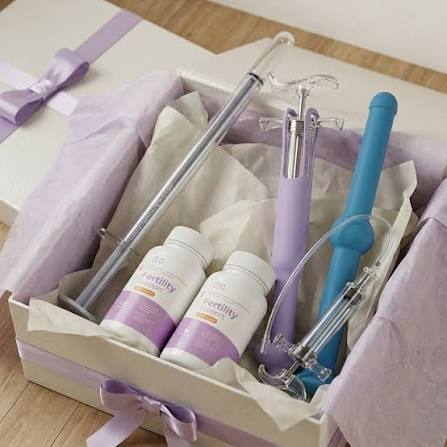
Starting a family can be exciting, but for many people, conception does not happen as quickly or as easily as expected. At-home insemination has become a practical option for couples, single parents, and LGBTQ+ families who want more control over their fertility journey. MakeAmom and Mosie Baby are two well-known names in this space, offering tools and guidance for people trying to conceive outside of a clinical setting. This article explains how at-home insemination works, why ovulation timing matters, and what to know about intracervical insemination (ICI).
What Is At-Home Insemination?
At-home insemination is the process of placing sperm into the vagina or near the cervix using a specially designed syringe or applicator, rather than relying on intercourse. It is often used by people who are trying to conceive with donor sperm, using a known donor, or facing difficulties conceiving through intercourse. The goal is simple: bring healthy sperm closer to the cervix during the fertile window so it can travel toward the egg.
MakeAmom describes its home insemination syringe kit as a straightforward way to attempt conception without medical intervention. A typical kit may include a syringe, a specimen collection cup, and instructions for use. Mosie Baby similarly offers an FDA-cleared at-home intravaginal insemination kit that includes syringes and collection cups designed for transferring semen or donor sperm into the vaginal canal.
Understanding Ovulation and the Fertile Window
Ovulation is the point in the menstrual cycle when an ovary releases an egg. This is the most important time for conception because sperm must meet the egg within a limited period. The fertile window usually includes the days before ovulation and the day of ovulation itself. Tracking ovulation helps users identify the best time to inseminate.
Many people use ovulation predictor kits, also called LH test strips, to detect the luteinizing hormone surge that happens before ovulation. A positive LH test generally suggests that ovulation may occur within about 24 to 36 hours. Other methods include tracking basal body temperature, observing cervical mucus changes, and monitoring cycle patterns. MakeAmom recommends using ovulation test strips and inseminating during the peak fertile window for the best chance of success.
What Is ICI?
ICI stands for intracervical insemination. In this method, sperm is placed near the opening of the cervix, allowing sperm to travel naturally into the uterus and toward the fallopian tubes. It is different from intrauterine insemination (IUI), which is performed in a medical clinic and places prepared sperm directly inside the uterus. ICI is generally simpler, less invasive, and can often be done at home with the right kit.
MakeAmom focuses on reusable intracervical insemination kits and states that ICI may have a per-cycle success rate of roughly 10 to 15 percent, depending on individual factors. Success can vary based on age, sperm quality, cycle regularity, timing, and overall reproductive health. Because of this, many people plan insemination over several cycles rather than expecting success immediately.
How MakeAmom Kits Work
MakeAmom kits are designed to support at-home conception by providing the tools needed for intracervical insemination. The process usually begins with collecting a semen sample in a sterile cup. The sample is then drawn carefully into the syringe, taking care to avoid air bubbles. After that, the syringe is gently inserted into the vagina and the sperm is released near the cervix.
MakeAmom emphasizes clean hands, a sterile syringe, and following the instructions included with the kit. The company also highlights that its kits use reusable, medical-grade silicone applicators that can be cleaned and sterilized between uses. This can be helpful for people who want a more sustainable and cost-conscious option across multiple fertility cycles.
How Mosie Baby Supports Conception
Mosie Baby is another popular option for at-home insemination. Its kit includes two syringes with patented slit openings and two collection cups. The syringes are designed to transfer sperm gently into the vaginal canal, making the process suitable for people who cannot or prefer not to conceive through intercourse.
Mosie Baby instructs users to collect the sample, draw it slowly into the syringe, and then insert the syringe into the vagina in a comfortable lying-down position. The company suggests using pillows to raise the hips slightly and resting for 15 to 30 minutes after insemination. While lying down afterward is not guaranteed to increase success, it may help users feel relaxed and comfortable during the process.
Timing Your Insemination Correctly
Timing is one of the most important parts of at-home insemination. Even high-quality sperm cannot fertilize an egg if insemination happens too early or too late in the cycle. The best approach is to begin tracking ovulation several days before the expected fertile window. Once an LH surge is detected, users can plan insemination during the following day or two.
Some people choose to inseminate more than once during the fertile window, such as on the day of a positive ovulation test and again the next day. This can help cover the period when ovulation is most likely. However, users should always follow the directions provided with their chosen kit and avoid unnecessary stress by overcomplicating the process.
Preparing for a Successful Experience
Preparation can make at-home insemination feel less overwhelming. Before starting, users should review the kit instructions, wash their hands, prepare a clean and private space, and make sure all items are ready. If using donor sperm from a sperm bank, it is essential to follow the storage and thawing instructions provided by the bank. If using a known donor, everyone involved should discuss health screening, legal considerations, and expectations in advance.
Comfort and emotional readiness also matter. Trying to conceive can be stressful, especially when cycles do not result in pregnancy right away. Creating a calm environment, communicating openly with a partner or donor, and focusing on one cycle at a time can make the experience more manageable. Fertility journeys are personal, and there is no single correct path for every family.
Conclusion
MakeAmom and Mosie Baby make at-home insemination more accessible by offering practical kits, clear instructions, and fertility education. Understanding ovulation, using ovulation test strips, and timing insemination during the fertile window are essential steps for improving the chances of conception. Whether someone chooses MakeAmom’s reusable ICI-focused kits or Mosie Baby’s FDA-cleared intravaginal insemination kit, careful preparation and realistic expectations are key. At-home insemination can be an empowering option, but anyone with fertility concerns should consult a qualified healthcare professional for personalized guidance.