


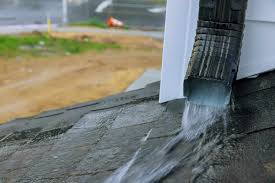
Storm season can turn a small gutter problem into a costly home repair. During heavy rain, gutters must collect roof runoff quickly, move it through downspouts, and direct it away from siding, landscaping, basements, and the foundation. If the system is clogged, loose, cracked, or undersized, water may overflow in places that were never meant to handle moisture.
That is why gutter maintenance before storm season matters. A simple inspection and preparation routine can help homeowners prevent gutter overflow, improve rainwater drainage, and reduce the chance of roof leaks, fascia damage, erosion, and foundation issues.
Why Gutters Are Critical During Heavy Rain
Your gutters are part of the home’s roof drainage solutions. They protect more than the roofline. When working correctly, a gutter drainage system keeps water from running behind fascia boards, staining siding, flooding flower beds, soaking walkways, and collecting near basement walls.
When gutters fail during severe storms, water often spills over the edge in sheets. Overflowing gutters can wash away soil, damage mulch, loosen pavers, and create drainage problems around house foundations. Water pooling near foundation walls may increase basement moisture and put pressure on masonry or concrete. Repeated exposure can contribute to mold growth, peeling paint, wood rot, and structural deterioration.
Storm-ready gutters are properly pitched, securely fastened, free of debris, and matched to the runoff the roof produces.
Signs Your Gutters May Not Be Ready
Before peak weather arrives, walk around the home and look for warning signs. Sagging gutters may mean hangers are loose or standing water is adding weight. Rust, corrosion, cracks, and holes can allow leaks before water reaches the downspouts.
Loose fasteners, separated seams, peeling paint near the gutter line, and water stains on exterior walls also deserve attention. If you see water spilling over during normal rain, the system may be clogged, undersized, or poorly sloped.
Do not overlook downspouts. A clogged downspout can make clean gutters overflow. Look for weak discharge, crushed elbows, detached extensions, or water releasing too close to the house. Standing water inside gutters after rain means the slope, outlet, or downspout may need repair.
Essential Gutter Maintenance Before Storm Season
Start with gutter debris removal. Leaves, twigs, pine needles, roof granules, and seed pods can block water fast during heavy rainfall preparation. Remove visible buildup and make sure water can flow freely toward each outlet.
Next, flush the gutters with water if it can be done safely. This helps reveal slow drainage, leaks, and hidden clogs. Downspout inspection is just as important. Water should exit strongly and move away from the home, not pool beside the foundation.
Check the gutter slope. Gutters should angle slightly toward downspouts. If water sits in the middle of a run, the pitch may need adjustment. Tighten loose brackets and hangers, and look for areas pulling away from the fascia.
Small leaks should be sealed before storms arrive. Gutter leak repair is easier when the weather is dry and damage is limited. Inspect fascia boards for soft wood, staining, or rot because new leaks can worsen weakness.
Trim branches that hang over the roof. This reduces leaves, sticks, and storm debris entering the system. During the next rainfall, observe drainage from a safe location. Watching water flow is one of the best ways to confirm whether your rain gutter maintenance is working.
Benefits of Seamless Rain Gutters for Heavy Rainfall
Seamless rain gutters are often a strong option for homeowners who want better heavy rain gutter protection. Unlike sectional systems, seamless gutters are custom-formed in longer runs, which reduces joints where leaks commonly develop.
Fewer seams can improve water flow and lower maintenance needs. A well-planned seamless gutter installation can also improve drainage efficiency by matching gutter size, downspout placement, and roof runoff management to the home’s layout.
Seamless systems still need gutter maintenance, but they can offer durability, a cleaner appearance, and a longer lifespan when installed correctly.
Why Professional Gutter Inspection Helps
A professional gutter inspection before storm season can identify problems that are easy to miss from the ground. Experienced contractors can check slope, hangers, fascia condition, downspout capacity, seam leaks, and areas where water is not draining properly.
Professionals can also determine whether the home needs gutter repair services, gutter replacement, larger downspouts, gutter guards, or other residential gutter systems.
Professional gutter installation matters when repairs are no longer enough. If gutters are repeatedly overflowing, pulling away, or failing during storms, replacing the system may provide better long-term water damage prevention.
Common Mistakes to Avoid
One common mistake is delaying gutter cleaning services until storms are already in the forecast. By then, contractors may be busy and weather may limit safe access.
Another mistake is ignoring small leaks. A minor drip can become a damaged fascia board, stained wall, or mold concern after repeated storms. Homeowners should also avoid focusing only on gutters while forgetting downspouts. Water must travel away from the house.
Undersized gutters are another issue. If the system cannot handle roof volume during heavy rain, cleaning alone will not solve the problem. Foundation drainage should also be checked so water does not discharge into low spots.
A Helpful Local Resource
Southwest Seamless Rain Gutters provides seamless gutter installation, rain gutter maintenance, gutter repair services, and drainage support for homeowners preparing for severe weather. Homeowners comparing ways to strengthen storm-ready gutters can learn more from Southwest Seamless Rain Gutters while planning seasonal maintenance or upgrades.
Conclusion
Storm season home preparation should always include the gutters. Clean channels, open downspouts, sealed leaks, secure fasteners, and proper slope help protect the roof, siding, basement, landscaping, foundation, and crawl spaces from heavy rain damage.
The best time to act is before the first major storm, not after water is already overflowing. With a practical gutter maintenance checklist, safe inspections, and timely repairs, homeowners can improve rainwater drainage, prevent gutter overflow, and keep their homes protected through tough weather.