


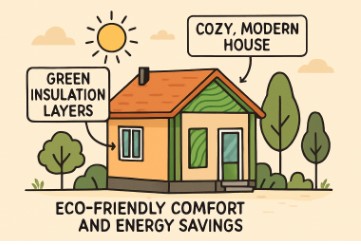
As modern homeowners become increasingly environmentally conscious, demand for sustainable home upgrades rises. Eco-friendly insulation enhances efficiency, comfort, and environmental responsibility. These materials go beyond code compliance, reflecting a forward-thinking approach to property ownership that promotes health, cost savings, and environmental care. They improve energy efficiency, create healthier indoor spaces, reduce expenses, and aid global conservation. For property owners seeking a seamless experience, working with knowledgeable professionals in the field, such as Insulation Denver CO, can significantly simplify the transition to greener, more innovative solutions by providing expert guidance and tailored installation services. Eco-friendly insulation is a practical step toward a more efficient and comfortable home. Choosing the right products offers immediate and long-term benefits, such as lower utility bills, consistent indoor comfort, and a reduced environmental impact. These upgrades also demonstrate environmental responsibility, supporting sustainable living for future generations. Whether for cost savings, health benefits, or reducing an ecological footprint, green insulation is a wise investment.
Enhanced Energy Efficiency
Eco-friendly insulation materials, such as cellulose, cork, sheep’s wool, and recycled denim, are valued for their thermal properties and ability to reduce energy consumption. With higher thermal resistance (R-value), they better regulate temperature than conventional options, such as fiberglass or foam board. The U.S. Department of Energy states proper insulation can reduce home heating and cooling bills by up to 20%, with savings lasting throughout the building’s life. These options often outperform standard ones in performance and durability. Energy savings extend beyond bills. Well-insulated homes use less energy year-round, easing pressure on power grids and natural gas supplies. This reduces household carbon footprints and supports community efforts to mitigate greenhouse gases and combat climate change. In many areas, such improvements can inspire neighborhood energy conservation.
Improved Indoor Air Quality
Many traditional insulation products, such as fiberglass batts and foam boards, contain VOCs, formaldehyde, and other toxic chemicals that off-gas over time, reducing indoor air quality and posing health risks. Prolonged exposure is associated with respiratory issues, skin irritation, and exacerbation of symptoms related to allergies or asthma. Eco-friendly options, such as cotton (often recycled from denim) and sheep’s wool, are non-toxic, hypoallergenic, and naturally resistant to pests, mold, and mildew without the use of chemicals. Choosing these alternatives enables healthier and safer indoor environments for families, pets, and visitors. Additionally, improved indoor air quality reduces cleaning needs and extends the life of HVAC systems by limiting the accumulation of dust and particulates.
Incorporating eco-friendly insulation not only benefits the environment but also enhances the comfort and energy efficiency of your home. By choosing sustainable materials, homeowners can reduce their carbon footprint and enjoy long-term savings on energy bills. For those interested in exploring these options further, you can get a free insulation quote to understand the potential benefits and costs tailored to your specific needs. This step can help you make an informed decision about upgrading your home’s insulation while contributing to a healthier planet.
Environmental Conservation
Sustainable insulation options play a vital role in reducing the consumption of virgin resources and limiting the amount of construction waste sent to landfills. For example, recycled denim and cellulose insulation utilize repurposed materials, such as discarded jeans or post-consumer newspaper, to deliver excellent insulating properties, thereby diverting significant amounts of waste from overflowing landfills. The manufacturing processes for these green products are generally less resource-intensive, often utilizing less energy, water, and harmful chemicals compared to conventional insulation. This minimizes environmental impact by lessening pollution, conserving finite raw materials, and supporting efforts to close the loop in material reuse.
Long-Term Cost Savings
While the upfront investment in eco-friendly insulation may be higher than that of traditional alternatives, the ongoing savings are considerable and often offset the difference within a short period. Green insulation choices often have greater durability and longer lifespans, resulting in fewer maintenance needs, fewer repairs, and fewer costly replacements over the life of your home. Additionally, numerous local governments and utility providers now offer generous rebates, tax credits, and financial incentives to homeowners who make energy-efficient improvements such as eco-friendly insulation. These programs can significantly offset installation expenses, further improving the return on investment for eco-conscious renovations. Over decades, these energy savings and reduced maintenance add up, making green insulation a cost-effective choice.
Noise Reduction
Beyond the clear advantages of energy efficiency, eco-friendly insulation materials such as wool, cork, and recycled cellulose are excellent for reducing unwanted noise within the home. Their dense, fibrous structures absorb sound waves, diminishing the transfer of noise between walls, floors, and ceilings, as well as buffering sounds from outside. This added benefit is especially valuable for those living in urban locations, near busy streets, or in multi-family dwellings where noise can impact comfort and concentration. A quieter indoor environment enhances relaxation, productivity, and sleep quality for residents.
Moisture Control
Proper management of moisture is crucial in preserving the durability and structural integrity of any home. Eco-friendly insulation materials, such as wool, are noted for their moisture-wicking and vapor-regulating capabilities. These natural characteristics enable them to absorb excess humidity and gradually release it, naturally regulating the interior climate and helping to prevent condensation build-up within walls and attics. This superior moisture management plays a crucial role in preventing mold growth, discouraging wood rot, and avoiding other structural issues—safeguarding your health and preserving your property’s value over time.
Increased Property Value
The rising emphasis on sustainable living is not only shaping new building codes—it’s also transforming real estate markets. Homes equipped with green insulation and other eco-focused features are consistently more attractive to buyers, who perceive these properties as lower-maintenance, healthier, and more future-proof. Energy-efficient upgrades not only help homeowners save on utilities but also can command higher resale prices in competitive markets and signal long-term value. For example, a report from the National Association of Realtors finds that buyers are increasingly willing to pay a premium for homes with demonstrated energy efficiency, sustainable materials, and improved indoor air quality, making these improvements highly worthwhile for today’s and tomorrow’s sellers.
Conclusion
Investing in eco-friendly insulation is a smart decision for both modern homeowners and the environment. The advantages extend far beyond utility savings alone, encompassing enhanced well-being, greater comfort, increased property values, and a tangible contribution to environmental preservation. As sustainable building practices become the new standard, transitioning to green insulation stands as a forward-looking and rewarding investment—one that benefits current homeowners while leaving a positive legacy for future generations. When thoughtfully chosen and expertly installed, eco-friendly insulation delivers lasting value for both families and the planet.