


Understanding Fall Protection Equipment
Maintaining a safe work environment in industrial settings involves more than following routines; it demands a comprehensive understanding of all elements of fall protection. Fall hazards are among the most significant dangers faced by workers in industries such as construction, warehousing, and manufacturing. Using equipment such as harnesses, lanyards, lifelines, and anchorage points is critical to reducing risks. For organizations seeking up-to-date solutions and guidance on fall protection, resources like fall protection equipment Fort Smith can be invaluable for both information and equipment needs.
Each component of a fall protection system must be carefully selected to ensure the highest level of safety. Harnesses support the body during a fall, lanyards manage deceleration, lifelines offer flexible mobility, and sturdy anchorage points secure everything together. Understanding how these items work together creates the foundation for successful fall injury prevention strategies.
Regular Inspection and Maintenance
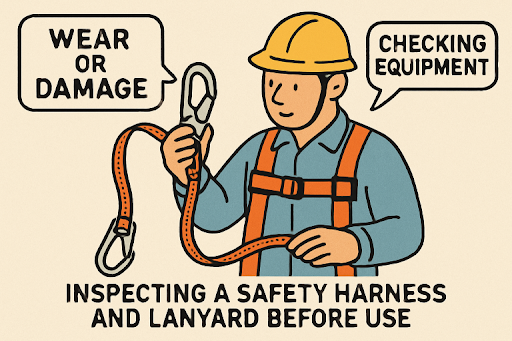
Even the most advanced fall protection equipment is only effective if it remains in good working condition. Inspection is a daily responsibility for every individual using the gear, requiring workers to check for frayed straps, corrosion, cracked buckles, or other signs of damage before use. In addition to worker-led checks, formal inspections conducted by safety supervisors or designated personnel should be conducted regularly. These inspections should adhere to standards specified by regulatory agencies to ensure compliance and safety. The Occupational Safety and Health Administration provides detailed guidance in OSHA Standard 1926.502 on inspecting and maintaining fall protection systems.
Routine maintenance also includes cleaning equipment to ensure contaminants do not degrade material integrity over time. Maintaining clear records and tagging equipment after each inspection helps organizations track each piece’s service history, which is a recommended best practice in industrial safety management.
Proper Training and Usage
Effective use of fall protection systems hinges on proper training. Each worker must be comfortable not only with wearing the gear but also with adjusting, securing, and inspecting it themselves. Training sessions should go beyond initial onboarding. Regular refreshers and updates on new technologies are necessary to keep skills sharp and knowledge current. A well-trained workforce not only uses equipment correctly but also actively participates in workplace safety culture.
Successful training programs include demonstrations, hands-on activities, and assessments to ensure knowledge retention. Employers should build safety awareness among teams so that everyone remains vigilant about their own safety and that of their colleagues.
Implementing Anchorage Systems
Anchorage points are the secure foundations to which all fall arrest gear is attached. Selecting and installing anchorage suitable for specific environments ensures systems can withstand the forces generated during falls. According to safety regulations, each anchorage point must support at least 5,000 pounds for every worker or meet an equivalent safety factor as evaluated by a qualified professional. Selecting specialized anchorage systems for rooftop work, scaffolds, or confined spaces is critical for addressing unique workplace hazards.
Properly implemented anchorage systems not only ensure worker safety but also allow for optimal mobility and productivity. Poorly chosen or installed anchors can jeopardize the entire fall protection system, so consulting with certified experts is highly recommended.
Embracing Technological Innovations
Modern fall protection has evolved to incorporate advanced technology. Wearable devices and smart harnesses now integrate Internet of Things (IoT) sensors that actively monitor a worker’s movement, identify hazardous postures, and instantly detect falls. Many systems can send real-time alerts to supervisors in the event of a fall, dramatically reducing emergency response times. This not only improves outcomes following incidents but also provides valuable data for ongoing safety training and protocol enhancement.
Analytics from these devices can identify common risk patterns, leading to more targeted interventions and improvements in workplace safety strategies. Adopting such innovations can greatly reduce general risks, making technological integration an integral part of modern best practices for fall prevention.
Developing a Fall Protection Plan
A robust fall protection plan is essential for any industrial workplace. Such a plan should identify potential hazards, outline control measures, and clearly define emergency response processes. Site-specific and regularly updated plans provide detailed procedures for safe equipment use, inspection schedules, and methods for addressing unique scenarios that may arise on the job site.
Regularly reviewing and revising the plan ensures its ongoing effectiveness, especially as workplace conditions, tasks, or technologies change. It is equally important for employees to have easy access to and training on the details of the plan to guarantee familiarity with its procedures.
Ensuring Compliance with Regulations
Meeting regulatory obligations is not just a legal necessity; it is vital for protecting workers from injury or fatality. Staying informed about the latest requirements from agencies such as OSHA and relevant local authorities is fundamental. Routine audits, whether internal or performed by third-party experts, ensure continued alignment with regulations and highlight opportunities for improvement.
Updating safety programs to address regulatory changes or incident learnings helps prevent non-compliance, fines, and liability in the event of an accident. Strong compliance management serves both employees and employers by reducing risks and enhancing job site trust.
Fostering a Safety Culture
Building and maintaining a culture that places safety at the forefront of daily operations begins with leadership. Leadership must model commitment to safety by promoting open dialogue, encouraging hazard reporting without fear of retaliation, and recognizing proactive behavior that prioritizes well-being. When employees feel invested in the process, safety becomes a shared responsibility. This participation leads to continuous improvement and a positive work environment where risks are minimized for everyone involved.
Through a consistent focus on these best practices—comprehensive equipment knowledge, regular inspections, thorough training, expert anchorage system selection, technological adoption, rigorous planning, regulatory compliance, and safety-driven culture—industrial workplaces can significantly enhance employee protection and maintain operational excellence.