


Most drivers understand why they need auto insurance. It provides financial protection if their vehicle is involved in an accident, stolen, or damaged. So, what happens when your car is being transported hundreds of miles on the back of a truck?
It’s a situation many vehicle owners overlook until they’re preparing to relocate, purchase a car from another state, or arrange long-distance transportation.
Car shipping insurance and standard auto insurance serve different purposes, and understanding those differences can help you avoid unexpected expenses if something goes wrong.
What Does Standard Auto Insurance Cover?
Standard auto insurance is designed primarily to protect drivers, passengers, and vehicles during everyday use.
Depending on your policy, coverage may include:
- Liability insurance: Covers injuries or property damage you cause to others in an accident.
- Collision coverage: Helps pay for damage to your vehicle following a collision, subject to policy terms.
- Comprehensive coverage: Protects against certain non-collision incidents, including theft, vandalism, and weather-related damage.
However, there’s an important distinction when your vehicle isn’t being driven.
Your personal auto insurance policy might provide some protection while your car is being shipped, but this isn’t guaranteed. Coverage depends on your insurer, policy terms, and the circumstances surrounding the damage.
How Is Car Shipping Insurance Different?
Car shipping insurance is intended to protect vehicles while they’re in the custody of a professional transportation company. For example, if you’re arranging to transport your car to Fort Worth or another city or state, checking the carrier’s insurance arrangements should be part of your preparation.
Transporters commonly carry cargo insurance that may cover damage caused by accidents, loading mistakes, or equipment failures during transportation. However, coverage isn’t unlimited. Certain policies exclude damage from severe weather, personal belongings left inside vehicles, or problems that existed before collection.
It’s worth requesting a copy of the carrier’s insurance certificate and checking the coverage limits before handing over your keys.
Who Pays If Your Car Gets Damaged?
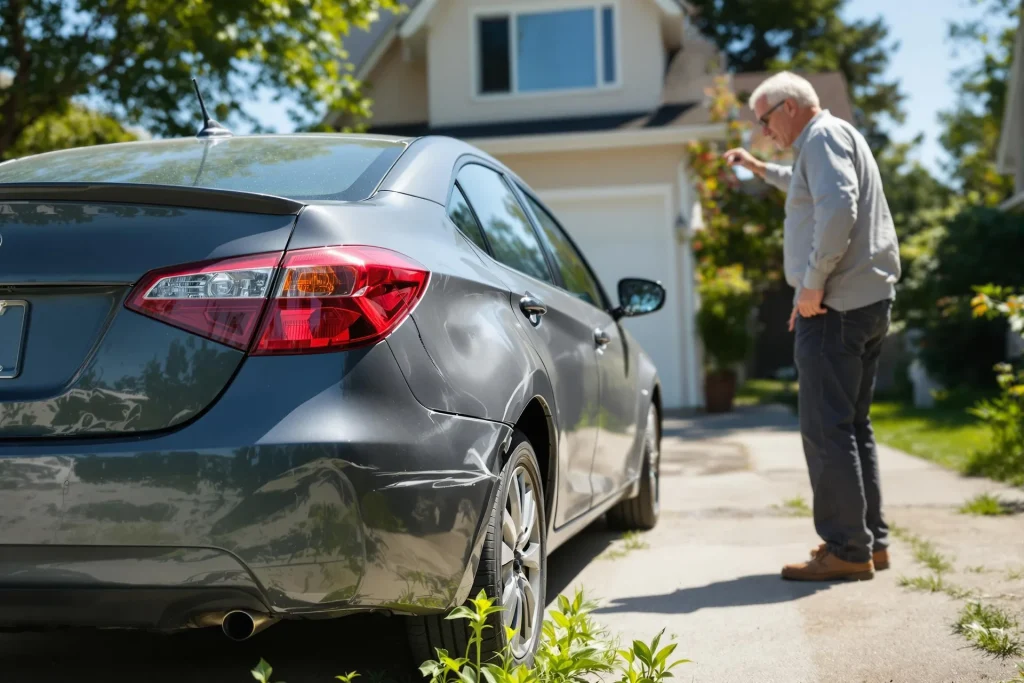
Imagine your vehicle arrives at its destination with a large scratch along the passenger door. If the damage occurred during loading or transportation and falls within the carrier’s policy, you may be able to claim through the transport company’s insurance.
What if the damage resulted from hail during the journey? Depending on the circumstances, the carrier’s policy might exclude it, leaving you to explore whether your personal comprehensive insurance applies. This is why understanding both policies matters. Neither automatically guarantees complete protection against every possible incident.
How Can You Protect Yourself Before Shipping?
A little preparation can make a significant difference if you need to make an insurance claim. Before your vehicle is collected, photograph its exterior, document existing damage, and review the bill of lading, which records the vehicle’s condition. When the car arrives, inspect it carefully before signing the delivery paperwork. Any new damage should be documented immediately and reported to the transporter.
Recognizing the Difference Matters
Standard auto insurance protects you against risks associated with vehicle ownership and use, while car shipping insurance addresses certain risks involved in professional transportation. The two can complement each other, but coverage varies considerably between providers.
Before booking transportation, speak with your insurer and the shipping company to establish exactly what’s covered. That extra conversation could save you considerable frustration and expense later.