
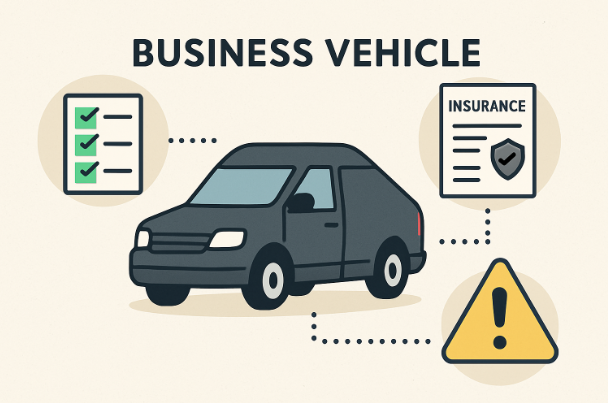

Key Takeaways
-
Carefully evaluate your business’s specific insurance requirements to avoid being underinsured or overexposed to financial risk.
-
Accurately list every driver and vehicle used in your operations, updating details as your fleet or team changes.
-
Regular policy reviews are essential to keep insurance current with your evolving business activities.
-
Familiarize yourself with all policy exclusions for reliable and predictable coverage.
-
Pursue value in coverage, balancing quality against price rather than defaulting to the cheapest option available.
Choosing the right commercial auto insurance safeguards your business from financial risk, yet many business owners make avoidable errors while securing coverage. These mistakes can lead to insufficient protection, denied claims, or unexpected costs. Partnering with commercial auto insurance specialists in Utah is a proactive way to navigate the complexities of the insurance market and ensure your business’s unique needs are met from the start.
Every business that owns, leases, or operates vehicles for commercial purposes needs robust insurance tailored to its operations and personnel. Overlooking details, taking shortcuts, or misunderstanding your obligations can expose your company to serious risks. Understanding the most common pitfalls empowers you to make informed choices, maintain uninterrupted operations, and reduce liability.
Underestimating Coverage Needs
One prevalent error is assuming that legal minimum coverage is sufficient for your risks. State requirements are designed for compliance, not necessarily for robust business protection. For instance, a logistics company carrying costly cargo or a contractor working at multiple sites may face liabilities well beyond legal limits if an expensive accident occurs. You need to account for property damage, potential injury to third parties, employee medical costs, and various unforeseen events. Use risk assessment tools and consult with insurance professionals to accurately determine the optimal coverage limits for your business. For more details on how proper risk assessments work, see this guide from the Insurance Information Institute.
Not Including All Drivers and Vehicles
A frequently overlooked but critical mistake is failing to update your policy as drivers or vehicles change. If an employee who is not named in your policy is involved in an accident, the insurer may deny the claim, potentially leaving you responsible for thousands in damages. The same applies to new vehicles acquired but not reported. Make it routine practice to review who is authorized to drive your cars and update the list with each personnel or fleet change. This step prevents nasty surprises and ensures your business remains compliant and adequately protected throughout the year.
Overlooking Policy Exclusions
All insurance policies come with exclusions, specific situations or events they do not cover. Overlooking these details can leave serious gaps in your protection. For example, some commercial auto policies may not cover damage from certain natural disasters, personal use of business vehicles, or unauthorized drivers. If your business operates in a high-risk environment or under unique conditions, failing to identify these exclusions could result in uncovered claims during a disaster or accident. Always request a detailed explanation of exclusions from your agent and document them for reference. According to Forbes Advisor’s insights on commercial auto insurance, understanding these exclusions is key to avoiding denied claims and costly litigation.
Choosing the Cheapest Policy Without Considering Coverage Quality
It may seem logical to cut costs by selecting the lowest premium on offer, but rock-bottom pricing often signals limited protection, higher deductibles, or restrictive terms. Cheaper coverage can leave your business exposed to significant out-of-pocket expenses in the event of a claim. Instead of focusing exclusively on the upfront cost, compare policy features, claim support standards, and the provider’s financial reputation. Comprehensive policies may cost more but offer broader protection and better support when you need it most, striking an optimal balance between affordability and reliability.
Failing to Review and Update the Policy Regularly
Your insurance should evolve alongside your business. As your fleet expands, your routes change, or your operations diversify, regular policy reviews are crucial. Failure to update your policy in line with growth or changes, such as acquiring new vehicles, onboarding new drivers, or starting new lines of business, can leave you with coverage deficiencies. Schedule annual insurance reviews, or conduct them whenever significant business changes occur, to keep your coverage up to date and effective for your current risk profile.
Not Seeking Professional Advice
The world of commercial auto insurance is complex, with evolving regulations, varying options, and nuanced policy language. Business owners who neglect professional advice may overlook finer details that put their companies at risk. Consulting with experienced agents or brokers familiar with your industry ensures you secure tailored coverage and have expert support when questions or claims arise. Having a knowledgeable advisor by your side means you can anticipate issues before they become problems, protecting both your company and its reputation.
Making informed, strategic choices in commercial auto insurance is critical for ensuring both peace of mind and the long-term resilience of your business. By understanding common pitfalls, such as coverage gaps, regulatory compliance issues, and unforeseen liabilities, and collaborating with experienced industry specialists, companies can safeguard their operations. Proper planning helps protect against unexpected expenses, legal challenges, and operational interruptions, allowing business owners to focus on growth and day-to-day management while maintaining comprehensive coverage tailored to their unique commercial needs.