


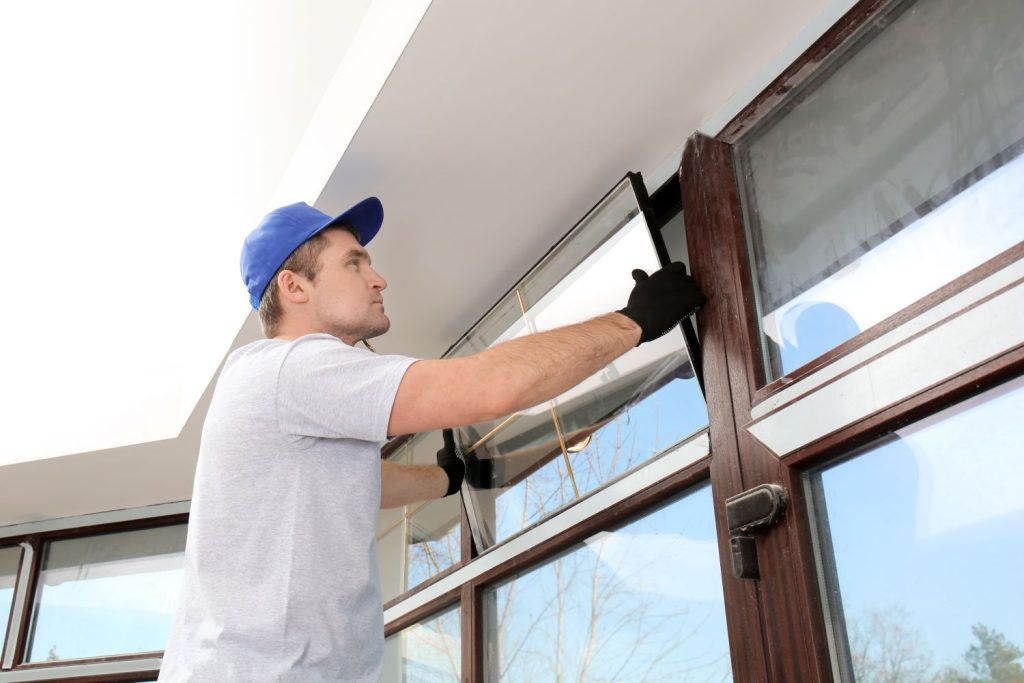
Windows are not only essential for letting in natural light, offering views, and enhancing the overall aesthetic of a room or building, but they also play a crucial role in energy efficiency and protecting interior spaces from the elements. However, these transparent features are inherently vulnerable, constantly exposed to a range of hazards that can threaten their function and visual appeal. Most homeowners and building managers will find themselves facing a cracked pane, fogged glass, or outright window failure at some point in their property’s lifespan. Understanding the specific risks that windows and glass face equips owners to take better preventative steps, initiate timely maintenance, and know exactly when to seek reliable window replacement West Palm Beach services before a small problem turns into costly damage.
The root causes of window and glass damage are diverse, but most can be grouped into three primary categories: external impact and environmental changes, issues related to poor installation, and the inevitable effects of aging. Each of these risks brings unique challenges. While accidents or storms may result in dramatic breakage, other problems, such as slow leaks or weakened seals, can undermine comfort and efficiency over time. Learning about these hazards helps property owners identify vulnerabilities, whether from an impending hurricane, daily household activity, or simply the passage of years. Strategic window care is thus not just about addressing visible damage, but about fostering the long-term health and value of any building.
Whether your concern is fortifying your home or business against the next big storm or minimizing the risk of everyday mishaps, the best approach combines proactive prevention, smart placement, and professional installation.
Extreme Weather Conditions
Mother Nature is one of the fiercest adversaries a window will ever face. Violent storms, which bring high winds, torrential rains, and hail, are notorious for inflicting severe, often sudden, damage to glass surfaces. For example, hailstones can strike with surprising velocity and destructive power, sometimes shattering even double-glazed or reinforced panes in seconds. Debris caught by strong winds can be hurled into windows at high speeds, breaking glass or puncturing frames upon impact. In hurricane or tornado-prone areas, windows aren’t just susceptible to impact, but also to pressure differentials that can physically tear them from their fittings.
To help mitigate weather-related breakage, storm shutters or impact-resistant windows are immensely valuable. These solutions are specifically engineered to absorb or deflect much of the energy from flying debris, reducing the risk of shattering and preventing breaches that could lead to further water and wind damage inside the property. Installing such reinforcements, especially in areas frequently struck by extreme weather, is one of the best long-term investments in home safety.
Thermal Stress
Many people underestimate the silent but steady impact of thermal stress on glass. Glass naturally expands in the heat and contracts in the cold, but when temperature fluctuations happen too quickly, internal stresses develop. These minute, repeated movements set up pressure lines within the glass structure itself, and given enough cycles or an especially sharp temperature change, the glass can crack abruptly without any visible outside force.
Modern solutions include upgrading to thermal or Low-E glass, which are specifically designed to regulate temperature changes across the window surface. By reflecting a portion of heat or moderating indoor-outdoor temperature transfer, these windows dramatically reduce the likelihood of thermal cracking while also contributing to energy savings and greater comfort inside the home.
Accidental Impacts
Accidental window damage is all too common and frequently occurs during everyday activities, such as children practicing sports, pets knocking over objects, or bikes tipped over in the wrong direction. Gardening and lawn care can also result in unexpected window woes; rocks or small objects propelled by a lawn mower or trimmer can become glass-shattering projectiles in an instant. These incidents are particularly frustrating because they are so often preventable.
Setting up clear boundaries for play, avoiding risky activities near fragile windows, and taking care to supervise equipment use can dramatically reduce the risk of breakage. Simply keeping an eye out for potential hazards and addressing them early can save time and avoid expensive repair bills in the future.
Improper Installation
Even top-quality windows will underperform or fail if they are not installed with the proper care and expertise. Common issues from poorly executed installations include misaligned panes, uneven caulking, and gaps between the glass and frame, each of which can introduce points of stress or weakness. Over time, these poorly seated windows can develop cracks, leak air and water, and cause persistent drafts or moisture problems, robbing you of comfort and energy efficiency. To safeguard your property, always rely on skilled, reputable professionals who understand not just the mechanics but also the finer details of window fitting and finishing.
Aging and Wear
No matter how well you care for your windows, age eventually takes its toll. Sunlight gradually breaks down sealants and glazing compounds, while rain and seasonal changes can weaken frames and cause hidden leaks. As glass ages, it becomes incrementally more brittle and more prone to chipping or cracking from even minor stresses. Worn seals lose their flexibility and effectiveness, promoting drafts, fogging between panes, and condensation problems that can spiral into more structural concerns or lead to visible water damage and mold in and around windows.
Regular inspections are vital for catching small problems before they escalate. Anytime you notice visible condensation, slight drafts, unusual noise from wind, or small cracks, it’s time to act. Addressing these issues at their onset can be the difference between a simple fix and a costly window replacement project.
Preventive Measures
- Install storm shutters or impact-resistant windows to guard against frequent severe weather events in your locale.
- Add window coverings such as blinds, thermal curtains, or shades to help insulate your glass and prevent temperature-driven stress that can lead to cracking.
- Designate play zones and high-activity areas away from vulnerable window surfaces, and communicate safety guidelines to family members and guests.
- Schedule regular, proactive window inspections and maintenance, focusing on seal integrity and flexibility, frame soundness, and subtle signs of glass deterioration or moisture ingress.
For more tips and guidance on protecting and maintaining your windows, the Bob Vila guide to repairing windows provides an in-depth look at identifying vulnerabilities, sealing drafts, and making timely repairs to prevent further damage. By staying alert to the most common causes of window trouble and committing to periodic checks and preventive upgrades, homeowners can enjoy improved window performance, increased comfort, and peace of mind knowing their property is better protected for years to come.