
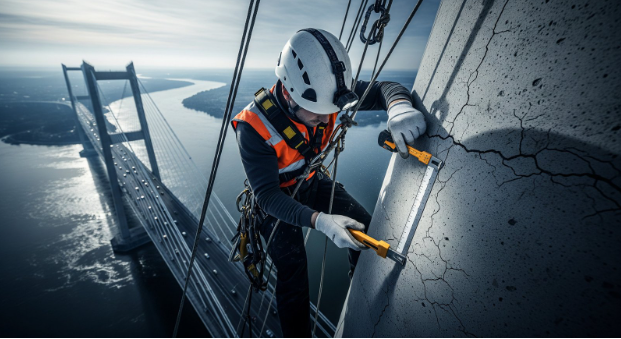

Industrial rope access has changed how many jobs at height are done. It is often cheaper, faster, safer, and more flexible than using scaffolding or heavy machinery. But what work can be done this way? From careful inspections to difficult repairs, industrial rope access lets trained technicians reach almost any spot so important work can be finished quickly with little disruption. This work method, developed from climbing and caving, uses ropes, harnesses, and safety gear to let workers move around safely in hard-to-reach places.
The flexibility and built-in safety of industrial rope access, especially when following IRATA rules, have made it popular in many industries. It is used on very tall structures and also for regular maintenance at lower heights, where its speed and lower cost are a big advantage. Below are the main types of work that rope access technicians regularly carry out. Rope Access in London specialises in industrial access solutions across the UK.
Structural and Asset Inspection
One of the most common and important uses of industrial rope access is close-up inspection of structures and assets. Unlike scaffolding, which can block views and limit reach, rope access gives a clear, direct view of the area being checked. Technicians can carry out visual inspections of bridges, buildings, towers, and other structures, carefully checking their condition and spotting damage or areas that need maintenance.
These inspections are key to keeping many installations safe and in good condition, from industrial chimneys and smokestacks to wind turbines and offshore platforms. Being able to get very close to the surface means early signs of corrosion, cracks, or other damage can be found before they turn into bigger and more costly problems. Inspections done by rope access give a detailed picture of the overall condition of an asset.
Nondestructive Testing (NDT)
Industrial rope access is also widely used for nondestructive testing (NDT). NDT methods check the strength and condition of a structure without causing any damage. Rope access technicians, who are often trained in several trades, can carry out tasks such as ultrasonic testing and thermal imaging at height.
This type of testing is very important in industries like oil and gas, marine, and power generation, where equipment and structures must remain safe and reliable. Whether checking flare stacks for metal fatigue or looking for hidden faults in a vessel, NDT carried out by rope access teams provides accurate data that supports safety checks and planned maintenance.
Geotechnical Monitoring and Rock Scaling
Some of the most demanding rope access work is done in geotechnical projects, such as on cliffs, in caves, and along steep road and rail cuttings. In these areas, rope access technicians are often the best way to stabilize slopes, stop rockfalls, and protect land from erosion where other methods will not work or are too difficult to use.
Geotechnical rope access work can involve:
- Rock scaling (removing loose rock)
- Drilling and installing anchors
- Fitting cables and mesh
- Surveying rock faces and structures
This covers geological surveys, dam wall surveys, and slope stabilization. Road and rail projects often rely on rope access teams to install rockfall netting and catch fences along embankments, helping protect public routes from falling rocks and landslides.
Maintenance and Repair Operations
A large part of industrial rope access work involves ongoing maintenance and repairs. This can be planned work or urgent repairs on complex structures. Rope access technicians carry out many tasks such as painting, welding, cleaning, and other jobs that need safe access at height or within tight spaces.
Because rope access is so flexible, teams can repair cladding, reseal windows, replace broken panels, or carry out pointing on buildings without large, disruptive scaffolding. This speeds up the work and reduces downtime for offices, factories, and other sites, which often leads to clear cost savings.
Facade Restoration and Building Repairs
As modern buildings become taller and more complex in their design, the need for rope access for facade restoration and repairs continues to grow. Even buildings with unusual shapes still need cleaning and repair, and rope access provides an efficient way to reach them.
Rope access is also very useful on historic and listed buildings. Technicians can repair stonework, repoint old brick or stone facades, and clean statues and carvings, reaching delicate areas without bringing in heavy machinery that might cause damage. This careful approach helps protect the original features and extend the life of these important structures.
Painting and Coating Application
Painting and coating is another frequent task handled with industrial rope access, especially on large buildings, bridges, tanks, and other industrial structures. Whether adding protective coatings to stop corrosion or repainting whole exteriors, rope access lets painters reach areas that other methods cannot reach easily.
Because rope access is quick to set up and move, it reduces the time and cost of these projects. Technicians can work exactly where they are needed, giving full coverage and a good finish, while keeping disruption to nearby people, traffic, and operations as low as possible.
Cleaning and Pressure Washing of External Surfaces
Rope access is widely used for specialist cleaning jobs and is a common sight on city skylines. High-rise window cleaning is the classic example, with workers descending glass walls to keep them clean. But it also covers cleaning of high gutters, signage, and other building features that are hard to reach.
For tall or awkwardly shaped buildings, rope access cleaning is often the safest and most cost-effective choice. Cleaners can reach fine details, overhangs, and narrow ledges without long, expensive scaffolding setups. Pressure washing of building faces, concrete surfaces, and industrial equipment can also be done quickly and safely using rope access methods.
Installation of Mechanical and Electrical Systems
Installing mechanical and electrical systems in difficult locations is another key use of industrial rope access. This can include:
- Mounting electrical boxes and cabling
- Fitting sensors and instruments for monitoring
- Installing fall protection and safety systems
Rope access teams can install and later maintain monitoring equipment on structures to collect data on movement, loads, or environmental conditions. Their ability to reach complex industrial sites, offshore platforms, and tall structures makes them well suited to jobs that need accurate positioning and secure fixing of equipment at height.
Bolt Torqueing and Flange Management
In heavy industry, especially oil and gas, bolt torqueing and flange work are key tasks for keeping pipelines and equipment safe and leak-free. These joints are often located at height or in cramped areas, which makes rope access an effective way to reach them.
Rope access technicians can reach flanges and bolted joints directly and tighten them to the right settings using calibrated tools. This careful work helps prevent leaks, supports safe operation, and extends the working life of important equipment. Because rope access setups are quick and light, they reduce downtime related to this type of maintenance.
Banner, Sign, and Lighting Installation
Outside pure industry, rope access is also widely used to install fixtures on buildings and other structures. Common jobs include fitting large banners, commercial signs, architectural lighting, and seasonal decorations. Technicians can position themselves exactly where needed to fix items neatly and safely, even on complex facades.
For example, hanging a large banner on a skyscraper or putting up Christmas lights across busy streets can be done with little impact on traffic and day-to-day activity. This avoids the need for road closures, big lifts, or large scaffold structures on the ground.
Rescue Standby and Emergency Response Support
Because work at height and in confined spaces carries higher risk, rope access technicians often receive extra training in rescue methods. This means they can act as standby rescue teams, supporting both their own colleagues and other workers on site.
Rope access professionals can rescue people stuck at height or inside tight spaces such as tanks, towers, or vessels. Their skills, equipment, and regular training allow them to deal with emergencies quickly and safely, offering an important layer of protection on high-risk sites.