


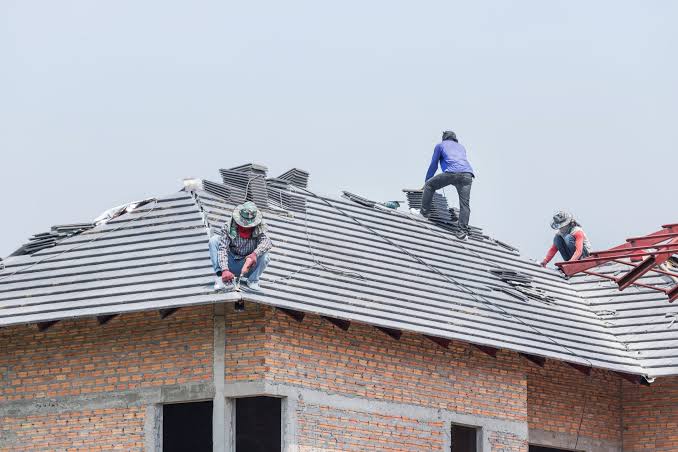
Maintaining the integrity of a commercial roof is crucial for the safety and longevity of any building. Regular inspections can prevent minor issues from escalating into costly repairs. For those seeking expert assistance, a commercial roof inspection by Delta Innovative Services offers professional evaluation and guidance to keep your property secure and well-maintained.
This guide provides a detailed checklist designed to assist property managers and building owners in conducting effective roof inspections. By following this advice, you can catch problems early and avoid disruptive and expensive repairs. Consistently monitoring and caring for your roof extends its service life and supports occupant safety.
According to the National Roofing Contractors Association, most commercial roofs benefit from inspections performed at regular intervals throughout the year, especially after severe weather events. Property managers should also equip themselves with the right tools and knowledge to ensure no detail is overlooked. By following this checklist, you can protect your investment and maintain building performance.
Along with scheduled inspections, it is important to maintain thorough records and respond quickly when issues are found. A proactive approach helps you stay ahead of challenges, address repairs promptly, and support compliance with manufacturer warranties and insurance policies.
Importance of Regular Inspections
Regular roof inspections are the foundation of a successful building maintenance strategy. Inspections help identify potential problems before they can develop into more serious issues, which could result in water infiltration, insulation damage, or even structural failures. The National Roofing Contractors Association recommends two inspections each year—in spring and fall—to assess and repair seasonal wear and tear. Additionally, inspections after storms or severe weather should become standard practice to catch sudden damage early. Routine monitoring ensures that small issues are addressed before they grow, helping property managers avoid unnecessary expenses and disruptions.
Pre-Inspection Preparations
Successful inspections begin with solid preparation. Before accessing the roof, make sure you have the following covered:
- Safety Gear: Wear appropriate gear, including fall arrest harnesses, gloves, and non-slip footwear to guard against accidents.
- Weather Conditions: Schedule inspections for calm, dry days when the risk of slipping or missing critical defects is minimized.
- Documentation Tools: Bring along a camera or smartphone for photos and a checklist to track the process, ensuring no features are missed during your walkthrough.
For more information on creating a safe inspection environment, visit the recommendations by OSHA on roofing safety practices.
Detailed Inspection Checklist
Use the following steps as a framework for your roof inspection, addressing all primary areas of concern:
1. Membrane Surface
- Survey the entire membrane for punctures, tears, blisters, ridging, or surface erosion.
- Inspect for exposed reinforcement, which can signal advanced membrane wear.
2. Seams and Laps
- Ensure all seams are tightly adhered, free from gaps, wrinkles, or areas beginning to lift.
- Look for signs of “fish-mouthing,” wrinkling, or material separation, which often lead to future water intrusion.
3. Flashings
- Check all base and counter flashings for proper attachment and evidence of separation or cracking.
- Inspect the metal edges, copings, and terminations for rust or loosening fasteners.
4. Penetrations
- Examine pipe boots, vents, skylight frames, and mechanical mounts for intact seals and sound installation.
- Assess sealant conditions around each penetration and renew any showing cracks or signs of UV damage.
5. Drainage Systems
- Ensure all drains, scuppers, and gutters are clear of debris that could cause blockages and ponding water.
- Look for areas of standing water several hours after rain, as this signals compromised drainage.
6. Roof Edges and Parapets
- Investigate the condition of fascia boards, gravel stops, and parapet wall caps for rust, detachment, or rot.
- Inspect for joint cracks or voids that could admit water into wall assemblies.
7. Rooftop Equipment
- Survey HVAC equipment, antenna mounts, and solar installations to ensure secure mounting and proper separation from the membrane.
- Check for any shifting equipment that may abrade or puncture the roofing system over time.
Post-Inspection Actions
Once you have completed your inspection, document every observation carefully. Use both notes and photographs to create a useful record for future reference and warranty validation. Rank discovered issues by severity, addressing urgent concerns immediately while planning less critical repairs for later. Keep detailed logs of each inspection and any maintenance activities, which supports warranty claims and helps you track the roof’s ongoing condition. The U.S. Small Business Administration provides guidance on recordkeeping and building maintenance best practices.
When to Call a Professional
While routine inspections are manageable for most property managers, some situations demand expert involvement. If you encounter significant or unfamiliar damage, or if you are unsure about the severity of an issue, contact a professional roofer. Additionally, if warranty or insurance requirements stipulate professional guidance, schedule an assessment to comply and avoid voided coverage. Professionals bring both the experience and equipment needed for intricate diagnosis and repairs.
Conclusion
Consistent and diligent roof inspections play a pivotal role in safeguarding your commercial property investment. Following a methodical checklist allows managers and building owners to respond quickly to problems before they escalate. Keeping thorough records, addressing repairs in order of urgency, and seeking professional help when necessary are all important steps. Through regular attention and informed decision-making, you can ensure the long-term performance and safety of your roof and building occupants.