

The difference between Bhangar and Khadar lies in their age, geological composition, and the impact they have on the ecosystems and communities in their respective regions. Bhangar, with its ancient alluvial deposits, offers sustained fertility and picturesque landscapes, while Khadar, with its annual flood-based deposits, provides dynamic ecosystems and agricultural abundance. Both formations showcase the incredible power of nature and highlight the interplay between geological processes and the livelihoods of human and animal communities.
Difference Between Bhangar And Khadar
In the below table you can see the key Difference Between Bhangar And Khadar;
| Aspect | Bhangar | Khadar |
| Age | Older, dating back thousands of years | Younger, forms annually during flooding events |
| Composition | Clay, silt, sand, and gravel deposits | The fresh alluvial soil deposited by annual floods |
| Fertility | Sustained fertility due to ancient deposits | Annual deposition of fresh alluvial soil |
| Topography | Gentle undulations, low-lying terraces | Dynamic floodplains near riverbanks |
| Agriculture | Ideal for agriculture, fertile soil | Highly suitable for agriculture, rich in nutrients |
| Ecosystems | Influences the formation of rivers and streams | Supports diverse and vibrant ecosystems |
| Cultural Significance | Cultural significance in the Indian subcontinent | Cultural importance in areas shaped by annual floods |
What is Bhangar:
Bhangar is a geological formation characterized by ancient alluvial deposits that date back thousands of years. Found mainly in the northern plains of the Indian subcontinent, Bhangar regions boast a rich heritage and cultural significance. This unique formation is primarily composed of clay, silt, sand, and gravel, deposited by rivers during periods of intense flooding in the past.
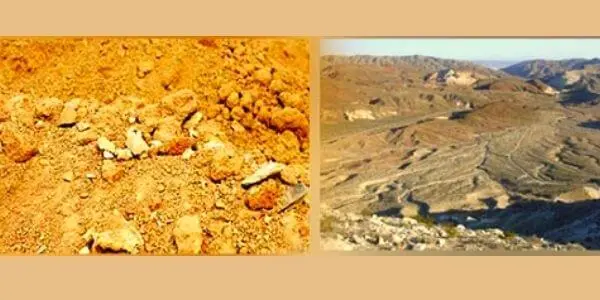

Furthermore, Bhangar landscapes are adorned with gentle undulations, forming low-lying terraces and plateaus. These undulating terrains create a picturesque setting and offer breathtaking panoramic views. The unique topography also influences the flow of water, aiding in the formation of rivers, streams, and rivulets that sustain diverse ecosystems.
What is Khadar:
In contrast to Bhangar, Khadar is a younger geological formation characterized by active floodplains. These formations emerge near riverbanks, where rivers deposit fresh alluvial soil during annual flooding events. Khadar regions are found in the Indo-Gangetic plains and other riverine landscapes across the world.
Additionally, the abundant water supply in the Khadar region sustains diverse and vibrant ecosystems. These areas provide essential habitats for a wide range of plant and animal species. The annual floods not only replenish the soil but also bring in new nutrients, supporting the growth of lush vegetation. As a result, Khadar regions are often teeming with diverse flora and fauna, making them an ecological haven.
Bhangar And Khadar
If we talk about the Difference Between Bhangar And Khadar. Bhangar and Khadar formations, though distinct in their characteristics, often coexist in regions where rivers flow through diverse landscapes. This coexistence creates a harmonious relationship that contributes to the overall ecological balance and human prosperity.
Bhangar’s ancient deposits provide a foundation of fertility and stability, while Khadar’s annual floods replenish the soil and sustain dynamic ecosystems. Together, they form a symbiotic partnership, offering fertile farmlands, picturesque landscapes, and diverse habitats. This interconnectedness highlights the intricate and beautiful interplay between geological processes, agriculture, and the natural world, showcasing the resilience and adaptability of our planet’s ecosystems.