


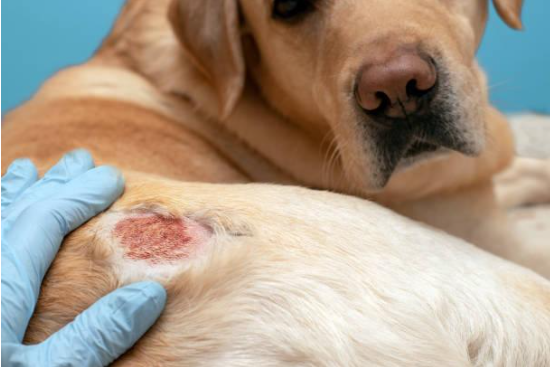
When your dog starts scratching relentlessly, it’s not just a nuisance — it could be eczema, a skin condition that can make life miserable for your furry friend. Thanks to modern pet care solutions, your dog doesn’t have to suffer through endless itching and discomfort. Whether you’re new to the term dog eczema or have been battling recurring flare-ups for months, understanding the causes, symptoms, and effective treatments is the key to restoring your pup’s comfort and skin health.
What Is Dog Eczema?
Dog eczema, also called canine atopic dermatitis, is an inflammatory skin condition that leads to intense itching, redness, bumps, and sometimes open sores. It’s often triggered by an allergic reaction — whether to environmental factors, parasites, or even certain foods. The condition can be chronic, with flare-ups occurring periodically, especially during specific seasons or after exposure to allergens.
The Common Causes of Dog Eczema
Eczema in dogs isn’t a one-cause-fits-all situation. Identifying the underlying trigger can help you create a treatment plan that actually works. Some common culprits include:
Environmental Allergies
Dust mites, pollen, mold spores, and household cleaning chemicals can all irritate a dog’s skin.
Flea or Mite Infestation
Even one flea bite can trigger a massive allergic reaction in some dogs, leading to intense eczema flare-ups.
Food Allergies or Intolerances
Ingredients such as beef, chicken, wheat, or soy may cause skin irritation.
Dry Skin from Climate or Grooming Habits
Overbathing with harsh shampoos or exposure to low humidity can strip the skin of its natural oils.
Underlying Health Issues
Hormonal imbalances, thyroid disorders, or immune system issues can manifest as skin inflammation.
Recognizing the Symptoms
Eczema symptoms in dogs may look like other skin conditions, so knowing the telltale signs helps you act early:
Persistent scratching, licking, or chewing
Red, inflamed patches on the skin
Scaly, dry, or crusty skin areas
Hair loss in affected spots
Oozing or moist sores
Foul odor from infected skin
If left untreated, eczema can escalate into secondary bacterial or fungal infections, which are more painful and harder to manage.
Why Prompt Treatment Matters
Every day that eczema is left untreated is a day your dog is uncomfortable — and possibly making the condition worse by scratching. Chronic eczema can also lead to thickened skin, scars, and a reduced quality of life. Acting fast is the best way to stop the itch-scratch cycle.
Effective Treatments for Dog Eczema
When it comes to eczema, the treatment approach should be multifaceted: relieve symptoms, address the root cause, and prevent future flare-ups.
1. Target the Underlying Cause
Before you start applying creams or sprays, work with a vet to pinpoint the cause:
Flea or parasite infestations should be treated with vet-approved medications.
Food allergies might require an elimination diet.
Environmental allergens may call for adjustments in cleaning products or air filtration.
2. Soothing the Itch & Healing the Skin
Even when the cause is addressed, your dog will still need help calming the irritation. This is where Puainta® Quantum Silver Anti-itch Skin Spray for Dogs/ Cats comes in — a pH-balanced, non-toxic, hypoallergenic formula that’s safe for all animals.
Key Benefits for Eczema Relief:
Rapid Action: Quantum Silver works quickly to relieve inflammation, redness, and irritation.
Long-Lasting Results: Provides extended itch relief, helping break the scratching cycle.
Hydration & Repair: Ingredients like Centella Asiatica and Glycyrrhiza Uralensis Root Extract help moisturize dry, cracked skin and support healing.
Antimicrobial Protection: Reduces the risk of infection without harsh chemicals.
How to Use:
Shave the hair around the affected area, spray directly to saturate the skin, and apply 3–5 times daily for 5–7 consecutive days.
3. Keep Skin Clean & Moisturized
Bathing your dog with a gentle, vet-approved shampoo can help wash away allergens and soothe irritated skin. Avoid human shampoos — they can disrupt your dog’s skin pH balance.
4. Prevent Licking & Scratching
An Elizabethan collar (cone) or soft recovery collar can prevent your dog from aggravating eczema spots during the healing process.
5. Support from the Inside
Supplements like omega-3 fatty acids, probiotics, and vitamin E can help improve skin health and reduce inflammation over time.
Why Puainta Is a Go-To for Skin Relief
Puainta has built a strong reputation among vets and pet owners for delivering safe, science-backed solutions for common pet health issues. With over 18 years in the pet medicine industry, the brand is trusted for its quality, reliability, and focus on animal well-being.
When it comes to eczema, Puainta Hot Spot Spray Treatment stands out because it doesn’t just mask symptoms — it actively helps skin recover, reducing future flare-ups. Plus, being hypoallergenic and non-toxic means you can use it confidently on even the most sensitive dogs.
Tips to Prevent Dog Eczema Flare-Ups
Treating eczema is important, but preventing it is even better. Here’s how to reduce the risk of recurrence:
Regular Grooming: Brushing removes dirt, allergens, and loose fur.
Flea Prevention: Use monthly flea and tick protection.
Balanced Diet: Provide high-quality food rich in omega fatty acids.
Moisturizing Baths: Use hydrating shampoos, especially in dry climates.
Allergen Management: Clean bedding often, vacuum regularly, and consider air purifiers.
When to See a Vet
While mild eczema can often be managed at home, you should see a vet if:
Symptoms worsen despite home treatment
Your dog develops open sores or pus
There’s widespread hair loss
Your dog seems lethargic or loses appetite
Final Thoughts
Dog eczema can be frustrating for both pets and owners, but it’s far from untreatable. By understanding the causes, spotting the symptoms early, and choosing an effective treatment like Puainta® Quantum Silver Anti-itch Skin Spray for Dogs/ Cats, you can help your dog heal faster and stay comfortable for the long term.
A happy dog isn’t just a wagging tail — it’s healthy skin, a calm demeanor, and freedom from constant itching.