

The Importance of Pipeline Integrity
Pipelines serve as the hidden arteries of modern society, transporting water, gas, oil, and other crucial resources over vast distances. Even minor faults or leaks can lead to environmental harm, regulatory fines, or service interruptions, making rigorous inspection standards essential to reliable operations. For operators seeking proactive detection of weaknesses or leaks, tools like the smoke pump tester are indispensable for maintaining and protecting pipeline infrastructure.
Maintaining peak pipeline integrity isn’t just a business necessity—it’s also a fundamental pillar supporting public safety and clean environmental practices. Unnoticed leaks or ruptures can result in soil and water contamination, product loss, and potential hazards to communities. By making regular testing an operational priority, organizations show a commitment to safeguarding both their assets and the world around them.
What Is Smoke Testing?
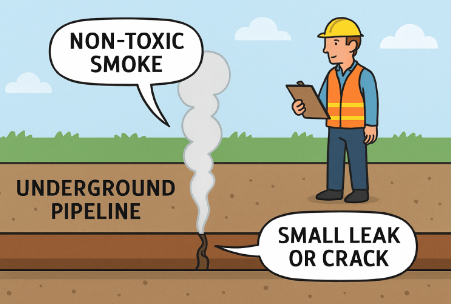
Smoke testing is a well-established yet continuously refined method for discovering pipeline leaks or faults. The process involves forcing non-toxic smoke into the pipes under controlled conditions. Any smoke that emerges at the surface pinpoints the location of a defect—whether it’s a hairline crack, imperfect weld, or failed gasket. Unlike some pressure-based testing methods, smoke testing can detect even the most minor leaks, making it particularly valuable for early intervention and ongoing system integrity checks. This testing technique has been especially influential in municipal sewer maintenance, industrial pipelines, and critical energy transportation networks. Because the smoke is harmless and results are immediately visible, it’s both safe for workers and well-suited to a wide range of pipeline materials and ages.
Advancements in Smoke Testing Techniques
Technological innovation has dramatically improved the accuracy and efficiency of traditional smoke testing. Integrating artificial intelligence (AI) into smoke testing procedures enables advanced pattern recognition that can identify not only the current leak but also predict potential weak points based on historical and real-time data. AI-driven platforms can analyze video feeds from smoke tests, help prioritize repairs, and provide data for more innovative maintenance planning. Further, coupling smoke testing data with Geographic Information Systems (GIS) and computerized maintenance management systems (CMMS) provides actionable intelligence for both field technicians and engineering teams. By converting raw observations into structured insights, companies can better anticipate which areas require urgent repairs.
Integrating Drone Technology
The use of drones is revolutionizing how operators observe and record smoke during inspections, dramatically improving both reach and safety. Drones equipped with cameras and environmental sensors can survey long stretches of pipeline, collect high-resolution images, and monitor the progression of smoke plumes in real time—even in locations otherwise inaccessible due to terrain or safety hazards.
In one notable study, swarms of drones were found to provide detailed three-dimensional mapping of smoke dispersion. This level of monitoring enables technicians to pinpoint leaks with greater specificity and confidence, leading to quicker repairs and more effective long-term asset management.
Benefits of Advanced Smoke Testing
- Early Detection: Advanced smoke testing can detect minor defects before they become significant threats, protecting both infrastructure and the communities they serve.
- Cost Efficiency: Identifying issues early results in lower repair costs and less downtime, maximizing the return on maintenance investment.
- Environmental Protection: By preventing leaks and spills, advanced testing methods protect soil, water, and air from hazardous contamination.
- Regulatory Compliance: Consistent testing and reliable detection systems help companies stay compliant with stringent safety and environmental regulations.
Implementing a Comprehensive Testing Program
Building a comprehensive testing program means going beyond reactive maintenance to a proactive, data-driven approach. Here are the essential steps:
- Regular Inspections: Plan and execute scheduled smoke tests throughout the pipeline system. This early intervention helps ensure reliability and minimizes emergency events.
- Data Analysis: Leverage AI and analytic software to process smoke test results, mapping potential problem areas and identifying trends over time.
- Maintenance Planning: Use insights from smoke tests and drone surveys to develop a proactive maintenance and repair schedule that addresses vulnerabilities before they become liabilities.
Conclusion
Advanced smoke testing is a cornerstone of modern pipeline integrity and safety programs. Enhanced by innovations in AI and drone technologies, smoke testing empowers operators to detect leaks early, maintain compliance, and protect both public health and natural resources. By implementing comprehensive testing strategies, organizations can ensure their pipelines remain reliable, efficient, and secure well into the future.