


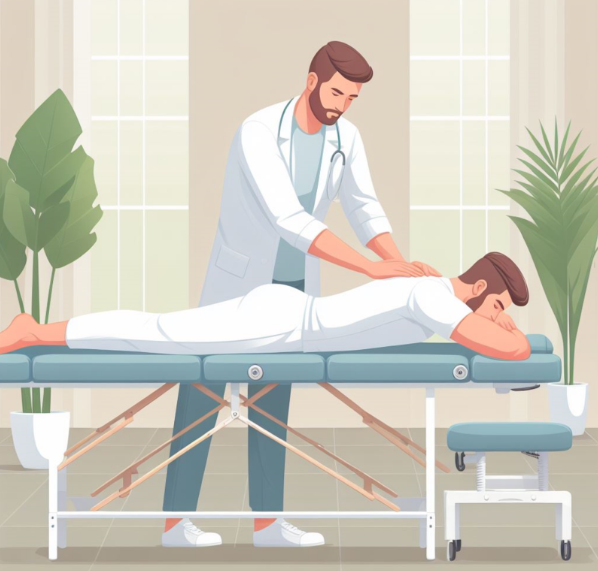
Massage therapy is a recognized profession today and has become very fulfilling due to its combination of science, health, and human interaction. With increasing awareness about health and fitness among people, the scope of massage therapy as a profession is getting brighter. It is not only rewarding but also provides plenty of opportunities for those interested in pursuing it. This article highlights five important facts about massage therapy that would be useful in making decisions regarding the field.
Wide Range of Specializations and Techniques
Massage therapy is certainly not a field that offers uniformity. Massage therapists have the option of selecting from a variety of specialties to build a career that aligns with their individual strengths. Some popular methods of massage include Swedish massage, which promotes relaxation; deep tissue massage, which aids in releasing muscle tension; sports massage, specifically tailored for athletes; and trigger point therapy for relieving pain in specific areas.
Such specialization is made possible through ongoing professional development and learning. There is always something new to learn about this dynamic and ever-evolving field. The addition of new techniques can not only boost your skills and knowledge but also make you more employable.
Flexibility and Work-Life Balance
Among the many benefits of becoming a massage therapist, flexibility may be considered the most enticing one. Most massage therapists have the ability to set their own schedule, choosing whether they want to work part-time or full-time jobs. There are a variety of locations that offer massage therapy positions, from spas to fitness centers. In addition, some massage therapists work independently, traveling to different places to provide their services.
Nevertheless, in order to benefit from the flexibility aspect of massage therapy, a massage therapist needs to possess good organizational skills. Massage therapists who work independently might face income issues as it may be difficult to find new clients each month.
The Importance of Professional Protection
However, besides the advantages that are associated with being a massage therapist, certain dangers are unavoidable. First, it requires close contact with clients; thus, one needs to be aware of the necessity to create safe working conditions and adhere to sanitary rules. Second, there is always a risk of misunderstanding or even a lawsuit despite carefulness.
For this reason, it is crucial to purchase all-encompassing insurance for a massage therapist that covers liability, property damage, and other potential issues. It ensures financial stability and eliminates unnecessary concerns of the practitioner in regard to his/her activities. The importance of record keeping, obtaining of consent, and adhering to ethics cannot be neglected either.
Education and Skill Development Are Ongoing
Formal education is necessary to become a masseuse because it includes the study of body functions as well as practical classes. In order to receive a license, it is important to have an accreditation that differs from one state to another, but usually includes passing a certification exam.
Even when already working, education is still important for therapists, as many continue studying in order to use innovative massage techniques. The process allows therapists to be confident when treating more diverse types of clients. Furthermore, dedication to studying helps distinguish successful therapists from mediocre ones.
Career Growth and Personal Fulfillment
The career of a massage therapist is rewarding in more ways than money. Making a positive impact by relieving pain, reducing stress, and improving quality of life could mean a lot for many. The feeling of being connected to one’s clients makes many massage therapists derive a sense of purpose from their jobs.
There are additional career prospects beyond working on one’s client. Therapists who have accumulated enough experience might choose to start their own clinics, train other practitioners, or focus on more specialized areas. It is possible to incorporate additional health treatments and create a more integrated practice.
In conclusion, the profession of massage therapy is flexible, specialized, and allows interaction with clients, making it a desirable career path for many people. Although there are demands for continued education and professionalism, the gains of the job often make up for its drawbacks. With the right mindset about its possibilities and adequate preparations for practice, future practitioners can have a prosperous career in the industry.