


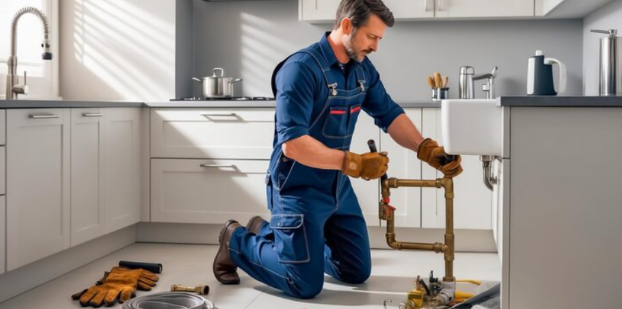
A well-maintained plumbing system is one of the most important parts of any home. It provides clean water for daily use and safely removes wastewater. When plumbing problems are ignored, they can lead to costly repairs, water damage, and unnecessary stress. The good news is that regular maintenance and a few simple habits can keep your plumbing system working efficiently for many years. By understanding how your plumbing works and taking preventive steps, you can protect your home and avoid major issues.
Prevent Small Leaks Before They Become Big Problems
Even a small leak can waste a large amount of water over time. A dripping faucet or a leaking pipe may seem harmless, but it can increase your water bill and damage walls, floors, and cabinets. It is a good idea to inspect visible pipes, faucets, and under-sink areas regularly. If you notice moisture, rust, or water stains, fix the problem as soon as possible. Early repairs are usually less expensive than dealing with major water damage later.
When to Call a Plumber for Professional Maintenance
Some plumbing tasks require the knowledge and experience of a plumber. While homeowners can handle simple maintenance, professional inspections help identify hidden problems before they become serious. A plumber can check for pipe corrosion, water pressure issues, hidden leaks, and drainage problems that may not be easy to spot. Scheduling routine maintenance with a professional helps keep your plumbing system in excellent condition and reduces the risk of unexpected repairs.
Keep Drains Clean and Flowing Smoothly
Clogged drains are one of the most common plumbing problems in homes. Hair, grease, soap residue, and food scraps can build up inside pipes over time. Avoid pouring cooking oil or grease down the kitchen sink, as they harden and create blockages. Using drain covers can also help catch hair and other debris before they enter the pipes. Cleaning drains regularly with warm water can help maintain proper water flow and reduce the chances of stubborn clogs.
Protect Your Pipes Throughout the Year
Seasonal weather changes can affect your plumbing system. During colder months, exposed pipes may freeze if they are not properly insulated. Frozen pipes can burst and cause significant water damage. Wrapping exposed pipes with insulation and keeping indoor temperatures stable can help prevent freezing. It is also important to know where your main water shut-off valve is located so you can quickly stop the water supply if a pipe bursts or another emergency occurs.
Use Water Wisely to Reduce Plumbing Stress
Using water efficiently not only lowers utility bills but also reduces strain on your plumbing system. Fix leaking fixtures promptly and avoid running water longer than necessary. Installing water-efficient faucets, showerheads, and toilets can reduce water consumption without affecting daily comfort. These simple upgrades help conserve water while extending the life of your plumbing system.
Watch for Warning Signs of Plumbing Problems
Your plumbing system often gives early signs when something is wrong. Slow drains, unpleasant odors, unusual sounds in pipes, low water pressure, and unexpected increases in water bills should never be ignored. Paying attention to these warning signs allows you to address issues before they become more serious. Regular observation can save time, money, and inconvenience in the long run.
Conclusion
Maintaining a healthy home plumbing system does not have to be difficult. Regular inspections, prompt repairs, clean drains, and responsible water use all play an important role in keeping your plumbing working efficiently. Professional maintenance from a qualified plumber also helps prevent hidden problems and extends the life of your system. By following these simple tips, homeowners can enjoy reliable plumbing, avoid expensive repairs, and create a safer, more comfortable living environment for years to come.