
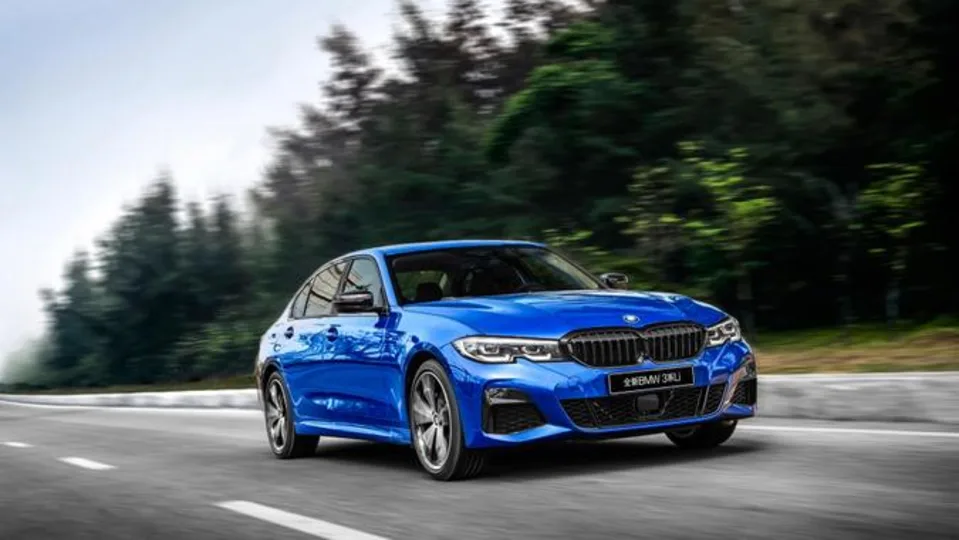

A seven-year-old BMW 3 Series often undercuts a new Corolla. That gap draws buyers chasing comfort on a modest budget. Still, the sticker tells only half the story. Used european cars reward drivers with sharp, planted handling and solid cabins. Ownership costs, though, follow a steeper curve. Depreciation, servicing, reliability, parts supply and comfort each reveal where savings hold or slip away.
Depreciation Hands Buyers The First Advantage
Luxury badges lose value fast in the first five years. A Mercedes C-Class often sheds half its price by then. A Honda Civic, on the other hand, holds onto far more of its worth. For a second owner, that drop creates genuine bargains. The catch arrives later, at resale.
Why Do Service Bills Climb So Fast?
German engineering demands specialist tools and pricier fluids. Routine visits add up quicker than most buyers expect.
- An oil change needs specific manufacturer-approved synthetic oil.
- Brake pads and rotors get replaced as a pair.
- Diagnostic work requires dealer-grade software and trained technicians.
- Independent European specialists charge higher hourly labor rates.
A Toyota service, by comparison, rarely surprises anyone.
Which Cars Hold Up Past 100,000 Kilometres?
Toyota and Honda top long-term reliability surveys for good reason. Their engines favor proven, simple designs over outright power. Turbocharged european cars deliver stronger performance through sophisticated hardware. That sophistication adds more components that wear with age. Timing chains, water pumps and dual-clutch units can fail without warning. A full service history matters more here than mileage.
Parts Availability Shapes Everyday Running Costs
Where a car is sold matters as much as its badge. Mainstream models enjoy huge spare-part networks.
- Aftermarket filters cost much less.
- Local mechanics know Hyundai engines.
- Imported sensors can take weeks.
- Genuine BMW parts carry premiums.
A stranded car costs more than any repair invoice.
Insurance Premiums Tilt The Monthly Budget
Insurers price cover on repair costs, not purchase price. Cover for a used Audi A4 can exceed a new Verna’s. Many turbo engines also specify premium-grade fuel. That requirement adds a recurring cost at every fill-up. Across twelve months, both bills can erase much of the discount. Getting insurance quotes before signing the paperwork avoids that surprise.
Which Drives Better On Daily Commutes?
Behind the wheel, the European advantage feels obvious. Cabins stay hushed at highway speeds. Seats offer firmer support across long drives. Steering responds with a precision few budget sedans match. In stop-start traffic, however, the gap narrows sharply. A hybrid Toyota sips fuel while dual-clutch gearboxes can judder at crawling pace.
The Real Price Of A Discount Badge
That steep C-Class depreciation was never a market mistake. Earlier owners priced in timing chains and specialist labor. The discount works as a prepaid repair budget. Buyers who bank that difference turn a gamble into a plan. Without that reserve, the humble Civic becomes the smarter luxury.
FAQs
Is servicing a used German or Swedish car expensive?
Annual servicing can run two to three times the cost of a comparable Toyota or Honda. Specialist labor and imported parts drive most of that gap.
Which Continental models suit daily driving best?
Simpler engines and well-documented diesel versions age better than high-output turbo variants. A complete service record matters more than the badge on the bonnet.
Should buyers get an inspection before purchase?
A pre-purchase check by a brand specialist can expose gearbox, cooling or electrical faults early. The fee is small next to a single major repair.
Do mainstream models feel dull to drive?
Recent Civics and Mazdas offer sharp steering and comfortable, well-built cabins. These models trade a little refinement for far lower running costs.