


Key Takeaways:
- Understanding the dangers of fentanyl is crucial for public health.
- Implementing harm reduction strategies can save lives.
- Access to treatment and support systems is essential for recovery.
Table of Contents:
- Understanding Fentanyl
- The Rise of Fentanyl-Related Overdoses
- Harm Reduction Strategies
- Access to Treatment
- Community Support Systems
- Educational Initiatives
- Policy and Legislation
- Conclusion
Understanding Fentanyl
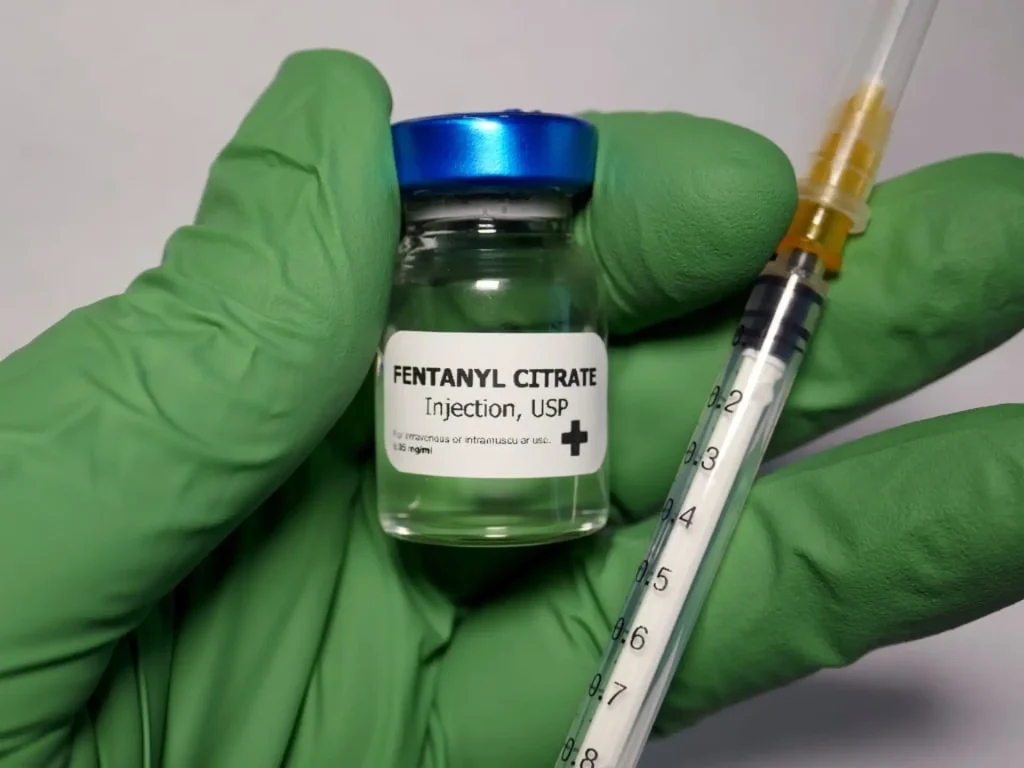
Fentanyl, a powerful synthetic opioid, is known for its medical use in pain management but has also earned notoriety due to its role in the ongoing opioid crisis. Because fentanyl is 50 to 100 times more potent than morphine and several times more powerful than heroin, even a tiny amount can be lethal. Increasingly, fentanyl is being mixed with other illicit substances, often without the user’s knowledge. This stealthy presence raises the risks for overdose, making public education and accessible fentanyl treatment options more important than ever. Communities and healthcare systems alike are working to expand awareness campaigns and improve early intervention strategies to reduce fentanyl-related harm.
Unlike prescription opioids that are monitored by healthcare professionals, illicitly manufactured fentanyl is often distributed in forms that vary in strength. This unpredictability contributes heavily to accidental overdoses. Understanding these fundamentals about fentanyl underscores why tackling this crisis requires a comprehensive approach spanning prevention, intervention, and sustained care.
The Rise of Fentanyl-Related Overdoses
The United States is experiencing an epidemic of fentanyl-related overdose deaths. According to the Centers for Disease Control and Prevention (CDC), synthetic opioids such as fentanyl were linked to nearly two-thirds of all drug overdose fatalities in just a 12-month span ending in April 2021. The relentless wave of overdoses is not isolated to any one community or demographic. Instead, it extends across urban, suburban, and rural areas, devastating families and communities nationwide.
Complicating matters is the increasing presence of fentanyl in counterfeit prescription pills and other street drugs, all of which deepens the challenge for those battling substance use disorder. As awareness spreads about these evolving threats, so too must the strategies that focus on reducing risks and supporting individuals affected by fentanyl misuse.
Harm Reduction Strategies
Harm reduction focuses on minimizing the negative consequences of drug use without judgment or demands for abstinence. As fentanyl has become more common in the drug supply, practical harm reduction tactics include broad distribution of naloxone (Narcan), which can rapidly reverse opioid overdoses if used in time. Community organizations and clinics now increasingly offer naloxone kits and training, empowering bystanders to save lives.
Fentanyl test strips are another vital tool. These inexpensive strips allow users to test substances for the presence of fentanyl, encouraging more informed decisions. Supervised consumption sites (also called safe injection facilities) offer monitored environments where people can use drugs under medical supervision, further reducing the risk of fatal overdose and providing immediate access to support services if needed.
Access to Treatment
Treatment is a cornerstone of safer recovery from fentanyl addiction. Comprehensive programs typically combine medication-assisted treatment (MAT), including options like buprenorphine or methadone, with ongoing counseling and behavioral therapies. MAT has been proven to reduce cravings, prevent withdrawal symptoms, and lower the risk of overdose among those with opioid use disorder.
However, barriers like stigma, cost, and geographic availability still stand in the way of widespread access. Expanding telehealth options and integrating addiction treatment into primary healthcare settings can make crucial support more accessible.
Community Support Systems
No recovery journey happens in isolation. Building robust community support systems can provide individuals with the essential resources they need to sustain sobriety. Recovery support groups such as Narcotics Anonymous, as well as peer-led organizations, offer nonjudgmental spaces for sharing experiences and obtaining encouragement.
Additionally, community outreach initiatives often bridge gaps for those at risk, connecting them with food, housing, healthcare, and legal resources. By reducing social isolation and integrating continued support into the recovery process, communities can play an instrumental role in preventing relapse and promoting hope.
Educational Initiatives
Education is one of the most powerful tools in reducing the dangers surrounding fentanyl. Effective educational campaigns not only address the risks of fentanyl misuse but also correct common misconceptions and promote healthy decision-making. Schools, workplaces, and community centers serve as critical venues for distributing accurate information about risks, recognizing warning signs, and learning lifesaving interventions such as naloxone administration.
Training and Awareness
Campaigns that train individuals to recognize the signs of overdose and respond effectively have saved countless lives. Encouraging conversations about fentanyl and substance use can also help reduce the stigma associated with seeking help or carrying harm reduction tools.
Policy and Legislation
Robust policy interventions are required to address both the supply and demand sides of the fentanyl crisis. Regulation of prescription opioids is a key step, but so is law enforcement’s ability to control the illicit circulation of synthetic opioids. Funding for research, prevention, and treatment programs is essential for long-term change.
Policies that support harm reduction services and prioritize treatment over criminalization lead to better health outcomes and reduced rates of overdose. Efforts to integrate addiction care into the broader healthcare system help remove barriers and streamline access for those in need.
Conclusion
Tackling the fentanyl crisis requires comprehensive action on many fronts: prevention through education, harm reduction, treatment accessibility, strong community support, and responsive policy reforms. By advancing these strategies together, individuals, families, and communities can support safer recovery and foster resilience in the face of one of the nation’s most pressing public health challenges.