
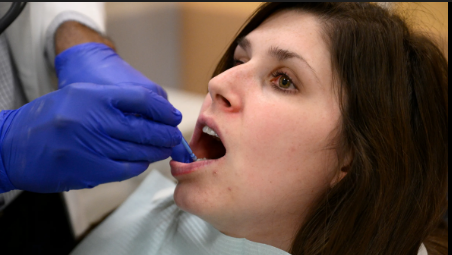

Fluoride treatments protect your teeth from decay and painful cavities. You might see them on a treatment plan and wonder if they are truly needed or just optional. This question matters if you already brush and floss or if you worry about cost and time. Fluoride treatments are simple. You sit in the chair. Your dentist applies a gel, foam, or varnish. The visit ends. The protection stays. Children, adults with many fillings, and people with dry mouth often need this extra shield. Others might not. Your daily habits, water source, and past dental history all shape the answer. An Arlington cosmetic dentist may suggest fluoride to keep new dental work strong and reduce future damage. This blog will help you weigh benefits, risks, and timing so you can decide with clear facts and steady confidence.
What Fluoride Does For Your Teeth
Table Contents
- What Fluoride Does For Your Teeth
- Types Of Fluoride Treatments
- Who Usually Needs Fluoride Treatments
- How Often You Might Need Treatment
- Benefits You Can Expect
- Possible Risks And How Dentists Limit Them
- Fluoride Treatments Compared To At Home Fluoride
- Questions To Ask Before You Decide
- How To Decide What Is Right For You
Fluoride is a mineral that strengthens tooth enamel. It helps your teeth repair early damage before a full cavity forms. It also makes it harder for acid from food and bacteria to eat through the enamel.
You get fluoride from three main sources.
- Public drinking water
- Toothpaste and mouth rinse
- Professional treatments at the dental office
The Centers for Disease Control and Prevention explains that fluoride in water cuts tooth decay in children and adults by about 25 percent.
Types Of Fluoride Treatments
In a dental office, fluoride comes in three main forms. Each one works the same way. The difference is how your dentist applies it and how long it stays on your teeth.
| Type | How It Is Applied | Time In Mouth | Common Use
|
|---|---|---|---|
| Varnish | Painted on teeth with a small brush | Hardens fast. Stays on for several hours | Children and adults. Often at checkups |
| Gel | Placed in a tray that fits over your teeth | Usually 1 to 4 minutes | Older children and adults |
| Foam | Also used in a tray or applied with a swab | Usually 1 to 4 minutes | Patients who gag with thicker gels |
Your dentist chooses the type based on your age, risk for cavities, and comfort.
Who Usually Needs Fluoride Treatments
Fluoride is useful for most people. Yet some groups gain more from regular treatments.
- Children and teens with growing teeth
- Adults with a history of many cavities
- People with braces or many dental restorations
- Anyone with dry mouth from medicines or health conditions
- People who sip sugary drinks or snack often during the day
- People who drink well water without fluoride
The American Dental Association explains that professional fluoride treatments help both children and adults who are at higher risk for cavities.
How Often You Might Need Treatment
The timing depends on your cavity risk. You and your dentist can review your history and current habits. Then you can set a clear plan.
| Cavity Risk Level | Common Schedule | Typical Reasons
|
|---|---|---|
| Low | Every 12 months or not at all | Few or no cavities. Strong home care. Fluoridated water |
| Moderate | Every 6 months | Some past cavities or early white spots. Some sugary snacks |
| High | Every 3 to 4 months | Many cavities. Dry mouth. Braces. Weak enamel or many fillings |
This schedule can change if your habits change. Better brushing and less sugar can lower your risk. New health issues or new medicines can raise it.
Benefits You Can Expect
Fluoride treatments offer several clear benefits for you and your family.
- Less tooth decay and fewer cavities
- Less need for fillings and crowns
- More protection for sensitive root surfaces
- Extra support for children with new permanent teeth
- Stronger defense for older adults with gum recession
Routine care is more effective after treatment. Your daily brushing and flossing work with fluoride instead of against constant new damage.
Possible Risks And How Dentists Limit Them
In a dental office, fluoride treatments use controlled amounts. Side effects are rare. Still, you deserve clear facts.
- Swallowing a small amount during treatment can cause mild stomach upset
- Very high long term intake in young children can mark teeth with faint white streaks
- Severe problems come from large overdoses, which office treatments avoid
Your dentist uses the lowest amount that still works. You usually avoid eating or drinking for 30 minutes after treatment. This helps the fluoride soak in and limits swallowing. Parents can help children spit out toothpaste at home and use only a pea sized amount after age three.
Fluoride Treatments Compared To At Home Fluoride
You might wonder why you need an office treatment if you already use fluoride toothpaste. The short answer is strength and control.
| Source | Fluoride Level | Who Controls It | Main Role
|
|---|---|---|---|
| Tap Water | Low | Public health system | Everyday background protection |
| Toothpaste | Moderate | You | Daily surface contact during brushing |
| Office Treatment | High | Dentist | Targeted boost for higher risk teeth |
You still need to brush twice a day for two minutes and floss once a day. Office fluoride does not replace home care. It adds a shield when your teeth face more stress.
Questions To Ask Before You Decide
Before you say yes or no, ask your dentist these questions.
- How high is my cavity risk and why
- How many new or recent cavities have I had
- Does my tap water contain fluoride
- How often would you suggest treatments for me or my child
- What type of fluoride will you use
- What will it cost and will my insurance help
Direct questions show respect for your time and money. They also help your dentist match the plan to your real life. That includes your diet, your health, and your stress level.
How To Decide What Is Right For You
Fluoride treatments are not one size fits all. They work best when they match your risk, not your neighbor’s risk. If you rarely get cavities and drink fluoridated water, you may only need occasional treatments or none. If you or your child keep getting cavities even with good brushing, regular fluoride can ease that cycle and protect your future teeth.
You deserve a mouth that feels strong, calm, and pain free. Use clear facts, your health history, and open talk with your dentist. Then choose the fluoride plan that protects you without more than you need.