


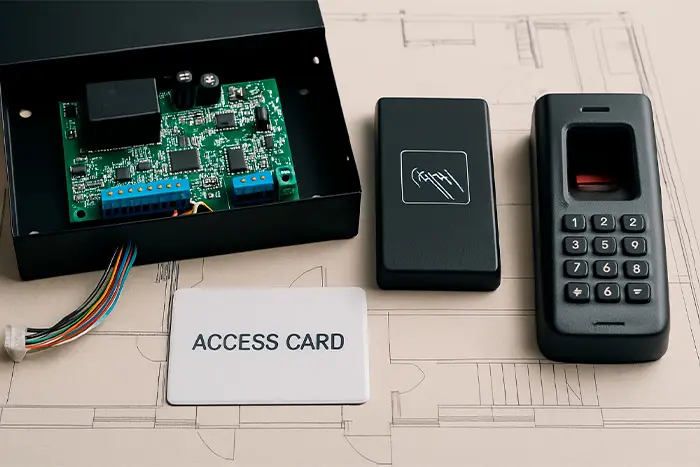
Key Takeaways
Maglocks provide unparalleled protection in modern security systems. Their constant holding force and easy installation make them a popular choice among organizations.
Biometric solutions, such as fingerprint and facial recognition technologies, bolster security. They reduce unauthorized access while personalizing entry methods, which boosts overall user confidence.
By integrating smart technology with access control systems, remote access and real-time monitoring become possible. This significantly enhances operational efficiency and flexibility for businesses.
Organizations must evaluate their specific security risks and vulnerabilities. Custom access control solutions are essential for effectively safeguarding assets and personnel.
Investing in advanced access control systems results in long-term savings. It minimizes theft, fraud, and security breaches and can also lead to reduced insurance premiums.
A secure work environment nurtures trust and productivity among employees. This contributes to lower turnover rates and a better company reputation, essential for business success.
Emerging technologies, especially AI, are revolutionizing access control. They automate monitoring processes, provide data-driven insights, and adapt to potential security threats in real time.
Opening up the Future: The Technology Behind Advanced Access Control
The Role of Maglocks in Modern Security Systems
Maglocks, known as magnetic locks, are instrumental in modern security systems. They offer an unmatched level of protection and are a reliable choice across various environments. Unlike conventional locks, maglocks maintain constant holding force and are generally easier to install, prompting companies to frequently consider them as a leading option.
These devices operate with an electromagnet and an armature plate. Upon closing the door, an electric current flows through the magnet, keeping it securely shut. The elegance of this simple mechanism belies its profound security capabilities. The strength of maglocks makes them extremely hard to bypass, making them ideal for securing sensitive areas.
- Strength: Can resist significant force.
- Durability: Designed to withstand physical tampering.
- Low Maintenance: Fewer mechanical components mean less wear over time.
Moreover, maglock installation can be tailored to meet specific security needs. When paired with access control systems, they allow for various methods of regulating entry. Clients often report a heightened sense of safety when their premises are protected by such robust defenses.
Biometric Solutions: Are Fingerprints the Key?
Biometric technology signifies a vital step forward in access methods. Fingerprint scanning, iris recognition, and facial detection have transformed how businesses address security. They deliver a level of personalization that’s simply unmatched. Passwords can be shared, keys can be misplaced, but a fingerprint? That’s irreplaceably yours.
Organizations often integrate biometric solutions into their security systems. The results can be phenomenal. For example, statistics indicate that businesses employing these systems experience a notable decrease in unauthorized access. This technology fosters a greater degree of confidence among both employees and management.
- Accuracy: Biometric systems help reduce false acceptance rates.
- Ease of Use: No forgotten codes or misplaced key cards.
- Scalability: Solutions can expand alongside the organization.
The initial leap into biometric technology may seem intimidating. Yet, the long-term benefits consistently overshadow these concerns. Experts advise that organizations considering improved access control examine the integration of fingerprint technology into their security protocols.
Integration with Smart Technology: A New Level of Security
Integrating access control systems with smart technology has become vital in modern security management. This innovation overcomes many limitations associated with traditional systems. For instance, smart locks enable remote control via mobile devices, empowering users to grant access from virtually anywhere.
Picture this: a team member forgets their access card. Instead of having to return to the office, a manager could unlock the door right from their smartphone. Such flexibility saves time and boosts operational efficiency significantly.
- Remote Access: Control systems from anywhere.
- Real-time Monitoring: Instant notifications on unauthorized access.
- Data Analytics: Gain insights into access behaviors.
“With the integration of smart technology, businesses can redefine what access control means.”
In an ever-evolving world, organizations must explore how smart technology can not only satisfy their security needs but surpass them. The opportunity for streamlined processes is immense, and FPC Security presents robust solutions fulfilling that promise.
Why Every Business Needs Tailored Access Control Solutions
Assessing Security Risks: Understanding Unique Business Needs
Not every business faces identical security challenges. This fundamental fact often gets overlooked. A manufacturing facility has different needs compared to a tech startup. Acknowledging these unique challenges is the first step toward crafting a tailored solution. Comprehensive assessments are necessary to pinpoint vulnerabilities.
Consultations with experts frequently bring to light the shortcomings of existing security plans. A customized approach enables businesses to focus on what truly requires attention. During this process, security professionals may pose crucial questions that delve into the heart of a company’s vulnerabilities:
- Which assets require the highest protection?
- How frequently do unauthorized access incidents happen?
- What particular access needs do different personnel have?
Clarity about these questions leads to informed decisions. Organizations cannot afford to neglect understanding their unique needs. Risk mitigation strategies should revolve around these specific requirements, ultimately safeguarding both personnel and assets.
Cost-Effective Security: Long-Term Savings with Advanced Systems
The notion of investing in advanced access control systems may initially seem burdensome. Nonetheless, the actual benefits tell a different story. High-quality security systems ultimately generate significant long-term savings through diminished theft, fraud prevention, and lowered insurance premiums.
When organizations perform cost-benefit analyses, many realize that upfront expenses are trivial compared to ongoing losses arising from inadequate security. Businesses often come to understand:
- Reduced Liability: Lowered risk of workplace incidents.
- Insurance Benefits: Premium discounts for secure environments.
- Operational Efficiency: Less time spent addressing security breaches and downtime.
By investing in advanced access control systems, companies fundamentally invest in peace of mind. Those aligning security measures with their risk profiles frequently find that they not only save money but also improve employee morale. A secure workplace fosters enhanced performance.
Real-World Impact: Enhanced Safety for Employees and Assets
The practical benefits of robust access control systems can’t be overstated. Employees need to feel secure in their work surroundings, and protecting intellectual and physical assets is crucial for business health. Numerous case studies illustrate that organizations employing advanced access solutions see fewer theft and workplace violence incidents.
Yet, it’s not just about statistics. A secure environment cultivates a culture of trust. When employees feel safe, they’re more inclined to contribute positively to a company’s objectives, which enhances productivity and retention. Actions taken today can have a profound impact moving forward.
- Increased Productivity: Employees concentrate on tasks, unburdened by security worries.
- Lower Turnover: A secure workplace boosts employee satisfaction.
- Stronger Reputation: Clients trust secure businesses for partnerships.
“Security is not just a luxury – it’s a necessity that drives business success.”
In challenging economic landscapes, this aspect becomes increasingly vital. A solid access control solution is essential for any business aspiring for longevity and success.
Implementing Access Control: Steps to a Secure Environment
Choosing the Right System: Factors to Consider
The path toward implementing access control begins with selecting an appropriate system. Not every system is created equal; businesses need to consider this fact seriously. Several factors must be evaluated when making this crucial choice:
- Size of the Facility: Larger premises may require more intricate systems.
- User Requirements: Identify who needs access and when.
- Integration Capabilities: Verify compatibility with existing technologies.
Ultimately, the best access control systems align with business objectives. Investing the time in evaluating options can save headaches down the road. The complications of late-stage changes can hinder operations, making careful planning essential.
Installation Insights: Ensuring a Flawless Setup
A successful installation process might dictate the effectiveness of an access control system. Subpar installations can compromise system integrity, leading to vulnerabilities. Fortunately, organizations can collaborate with professionals specialized in security systems for an effective setup.
Experts stress the importance of several key elements during installation:
- Site Assessments: A thorough evaluation prior to installation.
- Testing: Regularly test the functionality of the system after installation.
- Upkeep Plan: Formulate a strategy for maintaining the system.
When organizations take installation seriously, they set themselves up for long-term success. Ensuring these factors are addressed can protect against future breaches and system failures.
Training Staff: Best Practices for Smooth Adoption
Once an access control system is established, often neglected is staff training. Regardless of how advanced a system is, if employees lack adequate training, the investment may underperform. Training should cover operational details as well as the overarching importance of security.
Organizations could adopt these best practices for effective team training:
- Hands-On Training: Allow employees to practice using the system.
- Frequent Refreshers: Regularly update training to ensure everyone stays informed.
- Feedback Mechanisms: Encourage input on what is working and what may need adjustment.
Creating a culture of security awareness is vital. It guarantees that every employee contributes to upholding the integrity of the system. Well-informed staff are an organization’s best defense against breaches.
Future Trends: What’s Next for Access Control Security?
Emerging Technologies: AI and its Influence on Security
Artificial intelligence (AI) has moved from the realm of science fiction into reality, reshaping access control system operations. Machine learning algorithms analyze access attempt patterns, leading to expedited responses concerning potential breaches. Anticipating vulnerabilities empowers businesses to prevent incidents before they arise.
For example, combining facial recognition with AI enhances safety significantly. A system that learns from access patterns identifies non-compliant behaviors, offering protection like never before. This technology streamlines operations and is poised for continued growth.
- Increased Efficiency: AI automates monitoring tasks.
- Data-Driven Decisions: Algorithms offer insights into behavioral trends.
- Proactive Security: Systems can adjust in real-time to emerging threats.
This not only boosts security but also optimizes daily operations. Organizations utilizing AI technology frequently discover they have a competitive edge that sets industry standards.
Data Privacy: The Impact of Compliance on Access Control
Data privacy has become an increasingly essential focus in security. Organizations are held increasingly accountable for sensitive information management. Regulations like GDPR and CCPA impose compliance requirements that shape access control operations. This shift prompts companies to reevaluate their data handling strategies.
Ensuring compliance isn’t solely about dodging penalties; it’s about fostering customer trust. Effective access control protects personal data, resonating well with clients and partners. Being perceived as responsible stewards of sensitive data significantly enhances a company’s reputation.
- Secure Data Storage: Protect sensitive information from breaches.
- Transparency: Inform clients about data usage.
- Regular Audits: Continually assess adherence to industry standards.
Adapting to these regulatory demands can feel overwhelming. However, organizations viewing them as opportunities to refine their access control policies often emerge stronger and more established in their fields.
Adaptability in a Fast-Paced World: How Systems Evolve
In a world where change remains constant, adaptability is critical. Access control systems need to evolve in tandem with emerging threats and new technologies. Companies prioritizing flexible solutions maintain a competitive edge. Many organizations come to realize that their security systems ought to be designed for scalability, not just for immediate demands.
Flexibility in access control allows organizations to adjust to shifting business strategies and risk landscapes. Transitioning to subscription models or incorporating new technologies should feature in long-term strategies. Preparedness alongside adaptability will shape the future of access control.
- Regular Updates: Ensure systems are compatible with new technologies.
- Flexible Contracts: Explore subscription options for scalability.
- Continuous Training: Stay abreast of emerging threats and technologies.
The choices made today impact tomorrow’s security landscape. Organizations prepared for future challenges will thrive, while others may falter.
FAQ
What industries benefit the most from advanced access control systems?
Numerous sectors derive significant advantages from advanced access control systems, including healthcare, finance, education, and retail. Each of these industries faces distinct security challenges that necessitate tailored solutions to address their specific risks and regulatory requirements.
How can businesses measure the effectiveness of their access control solutions?
Effectiveness can be assessed through incident tracking, employee feedback, and scrutiny of access patterns. Organizations frequently rely on metrics such as reduced incidents of unauthorized access and enhanced response times to evaluate their systems’ performance and overall security posture.
What role does employee training play in access control success?
Training is essential; without a solid understanding, even the most advanced systems may fall short. Regular training ensures that staff are not only skilled at using access control systems but also conscious of their significance, contributing to a culture of security throughout the organization.
Can access control systems integrate with other security measures?
Definitely. Many advanced access control systems are designed to work seamlessly with video surveillance, alarm systems, and other security technologies. This integration enhances overall security and provides comprehensive monitoring solutions for organizations.
What are the latest trends in biometric security solutions?
Current trends indicate a surge in facial recognition and palm vein scanning technologies. These advancements are becoming more widespread due to their accuracy and user-friendly nature, often complemented by mobile applications for convenience and remote accessibility.
How does a business justify the upfront costs of implementing an advanced access control system?
When evaluating costs, businesses typically consider long-term savings achieved through reduced theft, fraud mitigation, and lower insurance premiums. The ROI often becomes apparent when juxtaposing ongoing loss due to insufficient security measures against the initial investment in a robust system.
What privacy considerations should companies keep in mind when implementing access control systems?
Organizations must prioritize data protection, ensuring compliance with regulations like GDPR and CCPA. Safeguarding sensitive employee and customer information during the implementation of access control builds trust and enhances the organization’s reputation.
How often should access control systems be upgraded or reviewed?
Routine reviews are critical; experts advise conducting evaluations at least annually or whenever substantial changes occur within the organization. Upgrading systems in response to evolving risks ensures ongoing protection and adaptability in a rapidly changing security landscape.