


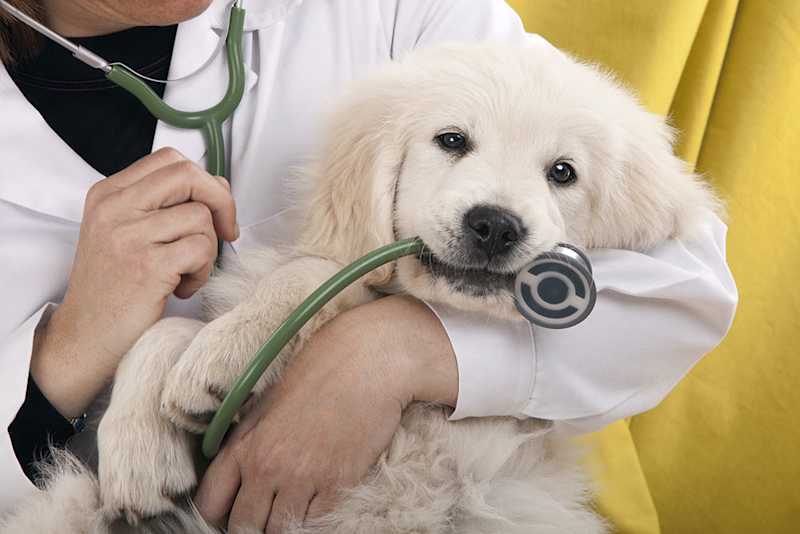
Every season brings new health threats for pets. Heat, storms, pollen, and holiday chaos all hit their bodies in different ways. You feel the worry. Animal clinics feel it too and prepare before trouble starts. They track local disease patterns, stock supplies, train staff, and plan for rushes in calls and visits. They also study how weather shifts change ticks, mosquitoes, and allergies. In one coastal town, a veterinary in Cape Coral reviews heartworm cases, storm injuries, and heat stress reports from past years. That record helps them act early instead of react late. You see reminders for vaccines, flea and tick checks, and safe travel tips. Behind that simple message sits hard planning. When you understand how clinics prepare, you can match their effort at home. That shared work keeps your pet safe through every season.
How Clinics Study Local Risks
You might see a quick poster or social media post about “seasonal wellness.” Clinics build that message from real data. They look at:
- Past medical records to see which problems spike each season
- Weather trends that change heat risk, parasites, and air quality
- Public health alerts for diseases that can pass between animals and people
For example, many clinics watch the Centers for Disease Control and Prevention heartworm guidance each year. They compare it to their own test results. If they see even a small rise in positive tests, they push stronger reminders for prevention. You may only notice a postcard or a text. They see a warning sign and adjust fast.
Season by Season: What Clinics Expect
Every season brings its own pattern of threats. Clinics plan around three main questions.
- What hurts pets most this season
- Which pets face the highest risk
- What can stop trouble before it starts
Common Seasonal Pet Health Risks And Typical Clinic Actions
| Season | Main Risks | Common Clinic Preparations
|
|---|---|---|
| Spring | Allergies, fleas, ticks, heartworm | Stock parasite preventives, allergy meds, promote testing and vaccines |
| Summer | Heatstroke, dehydration, storm fear, snake or insect bites | Train staff on heat emergencies, prepare storm comfort plans, stock fluids and antivenom if needed |
| Fall | Parasites, hunting injuries, mushroom poisoning, holiday food issues | Review poison cases, share food safety tips, keep imaging and surgery teams ready |
| Winter | Cold injury, ice-melt burns, indoor toxins, holiday stress | Plan for cold exposure cases, review toxin treatment, increase behavior support |
Staff Training Before Each Season
Clinic teams do not wait for emergencies to practice. Before busy seasons, they:
- Review past emergencies and what went wrong or right
- Run drills for heatstroke, allergic shock, or toxin exposure
- Update checklists for phone triage and front desk staff
Support staff learn clear questions to ask when you call. For example, during summer, they are ready to ask about your pet’s breathing, gum color, and recent time in the sun. That quick script shortens the time between your call and care. It can save a life.
Stocking Supplies And Medicines
Clinics also adjust their shelves with the calendar. They track what runs low each season and order early so you do not face shortages during a crisis.
Common seasonal stock changes include:
- More flea, tick, and heartworm preventives in spring and summer
- Extra fluids, cooling tools, and wound supplies for heat and storm seasons
- More allergy medicines, ear cleaners, and eye drops during high pollen months
- Extra pain control and bandage supplies during hunting or ice seasons
Some clinics also keep printed poison control contacts in every room. They may use resources like the ASPCA Animal Poison Control Center for quick guidance on seasonal toxins such as lilies, chocolate, or antifreeze.
Emergency And Disaster Planning
Seasonal risk also includes storms, fires, and floods. Many clinics write formal emergency plans that cover:
- How to protect animals already in the clinic during a storm or outage
- Where to move patients if the building is unsafe
- How to keep medicine cold without power
- How to reach you if your pet is staying overnight
Some clinics join local emergency drills with public agencies. They practice animal evacuation. They learn how to work with shelters that accept families with pets. That way, when you face a storm warning, they can give you clear, tested advice instead of guesses.
Communication With Pet Owners
All this planning only helps if you hear about it. Clinics use many ways to reach you before seasonal risk peaks.
- Reminder texts or emails for shots and parasite checks
- Short handouts on heat safety, cold safety, or fireworks fear
- Signs in waiting rooms that show common seasonal dangers
Good clinics also invite questions. They welcome “what if” talks about travel, camping, or large family gatherings. When you share your plans, they can tailor advice. A dog hiking in tall grass needs a different plan than a cat living indoors near a busy road.
How You Can Match Their Effort At Home
You cannot control the weather. You can control how ready you are. You can support your clinic’s seasonal work with three simple steps.
- Plan routine visits early. Do not wait until peak heat or holiday travel. Schedule exams and tests before the rush.
- Keep your own records. Note any seasonal signs like coughing in spring or limping on ice. Share that pattern with your vet.
- Build a home kit. Ask your clinic what to keep on hand for your region. Simple supplies can buy time during emergencies.
You and your clinic stand on the same side. You both care about the same outcome. A pet that stays safe and steady through harsh seasons. When you understand the careful work happening behind the scenes, you can act early, not late. That shared effort turns seasonal threats into problems you can manage together.