


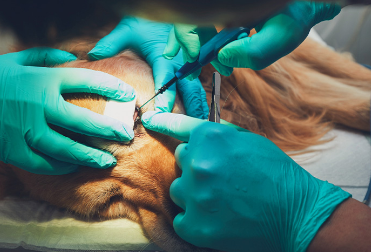
When your pet needs surgery, fear can hit fast. You want clear answers. You want proof that your pet will not be treated like a number. Advanced surgical cases test every part of an animal hospital. You see it in how the team prepares, how they explain the plan, and how they watch your pet every minute. You also see it in the tools they use, the training they keep up, and the choices they make when seconds matter. This blog walks you through how teams manage hard surgeries from start to finish. It also shows how an animal hospital in Port Arthur, TX coordinates care, reduces risk, and supports you through each step. You will see what happens before, during, and after surgery so you can ask better questions and stand up for your pet.
How a case becomes “advanced”
You may hear words that sound cold. Emergency. High risk. Complex. Behind those words is a simple truth. Some surgeries need more people, more tools, and more time.
A surgery is often viewed as advanced when:
- The pet has trauma or heavy bleeding
- The problem involves joints, bones, or the spine
- The chest or abdomen must be opened
- There is cancer that may spread
- The pet has other health problems like heart or kidney disease
Many animal hospitals use guidance from resources such as the American Veterinary Medical Association pet surgery guidance to shape their steps. You do not see every step. You feel the effect when the team moves with calm focus.
Step 1. Intake and fast triage
When you arrive, staff move fast to sort out how sick your pet is. They ask short questions. They check breathing, heart rate, and pain. They may take your pet to the back right away. That can hurt to watch. It means the team is trying to protect your pet.
You can expect:
- Quick weight, temperature, and heart checks
- Blood work to check organs and blood count
- Imaging such as X rays or ultrasound
- IV line placement for fluids and medicine
The goal is simple. Find out if your pet can handle surgery and what the safest plan is. You should hear clear words about risk and timing.
Step 2. Building the surgical plan
Next, the team builds a plan. You should hear who will be in the room and what each person will do. You should also hear what the team will do if the unexpected happens.
The plan often covers three parts.
- Before surgery. Fasting, fluids, pain control, and lab checks.
- During surgery. Type of anesthesia, monitoring, and the main steps of the procedure.
- After surgery. Pain control, feeding, and home care.
Many teams follow anesthesia safety tips based on work like the FDA’s guidance on pet anesthesia. You can ask how the hospital measures blood pressure, oxygen, and heart rhythm. Straight answers should calm you.
Step 3. Anesthesia and monitoring
Anesthesia is often the part that scares people most. You cannot control it. You can only trust the team. Trust grows when you hear clear steps.
Before anesthesia, staff often:
- Place an IV catheter
- Give fluid support
- Give medicine for pain and anxiety
During surgery, at least one person watches only the monitors and the pet. They track heart rate, breathing, oxygen level, and temperature. They adjust anesthesia so your pet stays asleep but stable.
Step 4. Tools and team roles in the operating room
Advanced cases need more than a sharp blade. They need the right tools and a team that moves like a practiced crew.
Common tools and roles in advanced pet surgery
| Role or Tool | Main purpose | How it protects your pet |
|---|---|---|
| Surgeon | Performs the surgery | Makes key choices and adjusts plan in real time |
| Veterinary nurse | Assists with instruments and patient care | Keeps the surgeon supplied and the pet stable |
| Anesthesia nurse or doctor | Runs anesthesia and monitors signs | Catches changes in heart or breathing fast |
| Monitoring equipment | Tracks heart, oxygen, pressure, and temperature | Shows early warning signs before a crisis |
| Suction and cautery tools | Control blood and keep the field clear | Reduce blood loss and shorten surgery time |
You can ask who will watch your pet during surgery. That question shows love. It also pushes for safety.
Step 5. Recovery and pain control
The time right after surgery is risky. Your pet is waking up. Pain can surge. Breathing can change. A strong hospital keeps your pet in close sight during this phase.
During recovery, staff often:
- Watch heart rate, breathing, and comfort
- Adjust pain medicine often
- Keep your pet warm and clean
- Offer water and food when it is safe
Pain control is not a luxury. It is part of healing. A pet in pain will not breathe or move well. That can slow recovery and raise risk of problems.
What you can expect at discharge
Before you go home, the team should walk you through care in plain words. You should leave with written steps. Your mind may feel foggy. Written steps help a lot.
Clear discharge care often covers three things.
- Wound care. How to keep the cut clean and when to remove bandages.
- Medicine. When to give pain pills and any other drugs.
- Warning signs. Redness, swelling, refusing food, or trouble breathing.
You should also get a plan for follow up visits. Ask who you can call if you wake up at night and worry. You should not feel alone with hard choices.
How you can stand up for your pet
You cannot control every outcome. You can control how you show up. A strong partner asks clear questions and listens with care.
Before surgery, you can ask:
- What are the main risks and benefits
- Who will be in the room and what they will do
- How pain will be managed after surgery
- What the backup plan is if things change
During recovery at home, you can keep a simple log of food, water, bathroom trips, and any signs of pain. This record helps the hospital spot trouble fast if you call.
Advanced surgery is hard. It is also often the best chance for more days with your pet. When you see a steady team, clear steps, and honest words, you can place your fear in context and move ahead with hard but informed courage.