


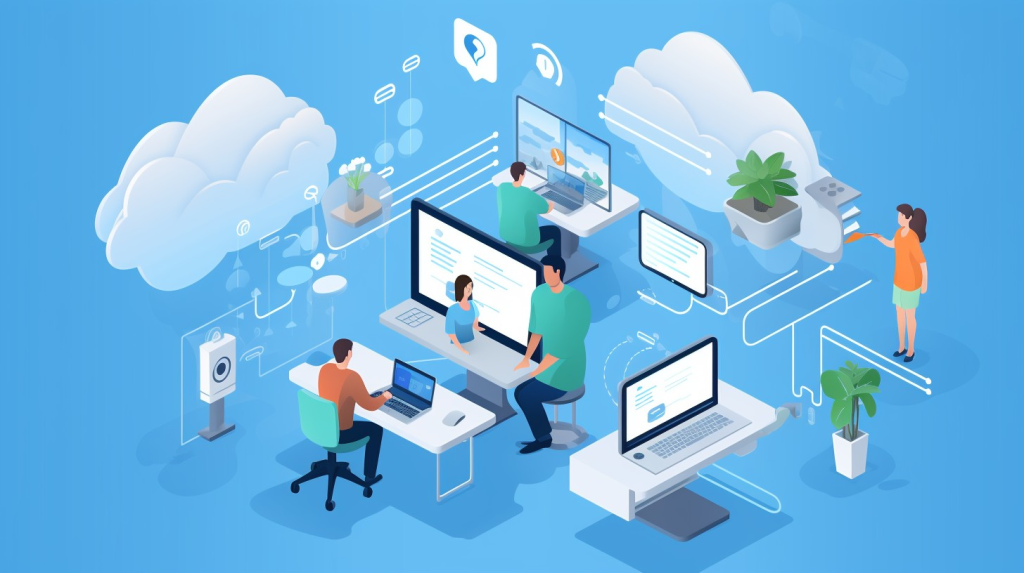
In an era where remote and hybrid work models are quickly becoming the standard, organizations are seeking innovative tools to support effective communication and productivity. Cloud-based solutions are rapidly revolutionizing this landscape, leveling the playing field for teams spread across different cities and even continents. By shifting workplace tools and data to the cloud, businesses not only streamline interactions but also harness new levels of flexibility, security, and resilience. Industry leaders like iVenture Solutions help organizations transition to these advanced platforms, driving widespread improvements in collaboration and operational agility.
Cloud technologies have transformed traditional workplaces by facilitating real-time collaboration regardless of physical location. Platforms like Microsoft 365 and Google Workspace have become essential tools, streamlining project management, file sharing, and instant messaging. This shift redefines workplace interaction, emphasizing engagement over geographical constraints. Additionally, integrating artificial intelligence into cloud collaboration enhances productivity through smart task automation and predictive insights, alleviating manual workloads and fostering informed decision-making. As organizations adapt their infrastructures to meet evolving employee preferences and continuity demands, cloud solutions offer significant advantages, including improved communication, scalability, security, and support for diverse working models, solidifying their role as critical components in the future of work.
Enhancing Collaboration Through Cloud Technology
The evolution of workplace technology is most evident in the ways teams connect and collaborate. Cloud-based solutions have eliminated the need for physical presence, enabling employees to access the same resources and contribute to discussions from anywhere with an internet connection. Centralized file storage ensures easy version control and access to up-to-date information, while built-in chat and video conferencing features replicate the immediacy of in-person meetings. Solutions like Slack and Google Workspace expertly blend communication and workflow tools to deliver a unified collaborative experience. For an in-depth exploration of how these platforms have changed office dynamics, visit Forbes.
AI Integration in Cloud Collaboration Tools
Artificial intelligence is quickly becoming a cornerstone of modern collaboration. Today’s leading cloud platforms use AI to simplify project management with features like automated scheduling, smart reminders, and intelligent task prioritization. AI-driven chatbots offer instant support and guidance within collaboration tools, helping teams navigate complex workflows and surface actionable insights from large datasets. When properly integrated, AI helps streamline repetitive tasks, freeing up time for creative and high-value work. For example, Microsoft’s Copilot integration within Teams and Outlook now provides context-aware suggestions and summary features, further boosting productivity.
Supporting Hybrid Work Environments
Hybrid work, a blend of remote and in-office schedules, is now commonly used across industries following the recent global shift toward flexible employment. Cloud-based collaboration tools are key to making this model a success, as they enable employees to move seamlessly between locations without losing access to files or communication channels. This flexibility contributes positively to employee satisfaction and well-being. According to a recent Gartner survey, hybrid workers report greater autonomy and reduced burnout, underscoring the importance of adaptable workplace technology.

Real-Time Document Editing and Sharing
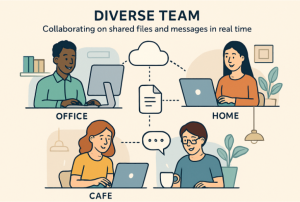
The ability to co-edit documents in real-time is a standout feature of cloud collaboration. Whether updating proposals, preparing reports, or brainstorming ideas, multiple participants can work on the same file simultaneously while seeing each other’s changes instantly. Platforms such as Collabora Online and Google Docs eliminate version confusion and streamline feedback cycles, making group projects faster and more efficient. Real-time editing encourages participation from all team members and reduces delays that can often stall project timelines.
Security and Compliance in Cloud Collaboration
As businesses move sensitive data to the cloud, robust security and compliance frameworks become indispensable. Modern cloud providers adhere to international security standards and deliver features such as data encryption, multi-factor authentication, and compliance certifications (like SOC 2 and GDPR). These controls foster a safer working environment without compromising accessibility. Regular updates, intrusion detection, and incident response protocols ensure collaboration platforms can resist emerging threats. For details on best practices and compliance benchmarks, see recent guidance by CSO Online.
Cost-Effectiveness and Scalability
Cloud collaboration tools deliver substantial long-term savings compared to traditional on-premises infrastructure. Subscription-based pricing allows companies to pay for only what they use, enabling them to scale resources up or down based on real-time business needs. Deploying updates and onboarding new users is simplified, minimizing the overhead and delays associated with legacy systems. This scalability is especially valuable for organizations experiencing rapid growth or periodic changes in staff size, ensuring their collaborative environment can expand efficiently.
Future Trends in Cloud-Based Collaboration
The future of workplace collaboration centers around further integration of cutting-edge technologies into cloud platforms. Innovations like augmented reality conferencing, natural language processing, and advanced analytics are making their way into mainstream tools. The coming years will see collaboration suites offering more personalized experiences, automated workflow recommendations, and even deeper integration of AI for decision support across all team activities. As these trends advance, organizations that remain agile and up to date will maintain a significant competitive edge.
Conclusion
Cloud-based solutions have established themselves as the backbone of modern workplace collaboration. By connecting employees across regions and time zones, automating routine work, supporting flexible work styles, and delivering robust security, the cloud creates opportunities for innovation and growth. Embracing these technologies enables businesses to foster engagement, improve outcomes, and build resilient teams ready to face the challenges ahead.