


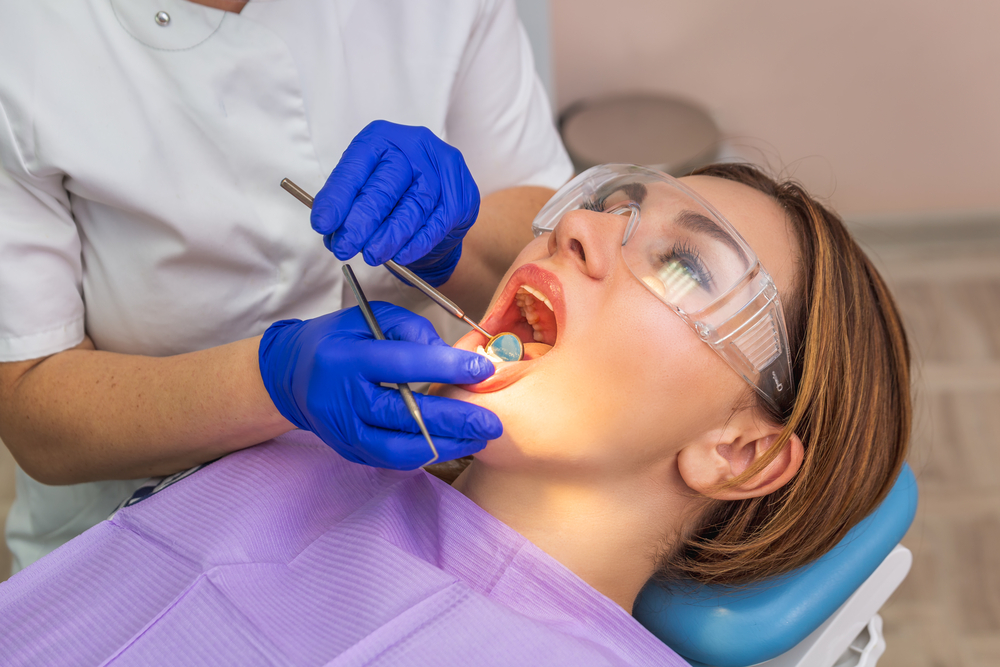
Cosmetic dentistry does not look like it did a decade ago. You now see screens, scanners, and cameras where there used to be putty molds and guesswork. Today, digital tools shape your smile before anyone touches a tooth. You can preview results, approve changes, and understand each step. This shift gives you more control, clearer choices, and fewer surprises. It also cuts down on repeat visits and long waits. Many patients feel less fear when they can see a clear plan on a screen. A dentist in Castle Hills Forest might use digital scans, 3D printers, and image software every day. These tools support whitening, veneers, aligners, and implants. They also help your dentist match color, shape, and bite with more care. You get a smile that fits your face, your age, and your comfort.
From Guesswork To Clear Pictures
In the past, you sat through messy impressions and long talks that still left you unsure. Today, digital images and scans replace much of that guesswork. Your teeth, gums, and bite show up on a screen in real time. You see what your dentist sees. That shared view builds trust. It also helps you ask better questions and make firm choices.
Digital photos and scans support treatment planning. Your dentist can zoom in, rotate views, and compare old images to new ones. That close look helps spot chips, wear, and color changes. It also helps plan changes that look natural and protect your bite.
Key Digital Tools In Cosmetic Dentistry
Modern cosmetic care often includes three main tools. Each one shapes your experience in clear ways.
- Intraoral scanners. A small wand captures a 3D map of your teeth. You breathe and swallow normally. You do not need trays filled with putty.
- CAD and 3D design software. Your dentist uses software to design veneers, crowns, and aligners on screen. You can see shapes and sizes before anything is made.
- 3D printing and digital milling. Printers and mills turn digital designs into real parts. These include aligners, models, and some crowns.
The National Institute of Dental and Craniofacial Research explains that tooth wear and damage build up over time. Digital tools help track these changes and guide choices that protect your remaining tooth structure.
How Digital Tech Changes Common Cosmetic Treatments
Digital systems touch almost every cosmetic option you might choose.
- Teeth whitening. High-quality photos and shade guides record your starting color. You and your dentist agree on a target shade. Follow-up photos show progress.
- Veneers and crowns. Scanners capture your teeth. CAD tools shape veneers that match your face and bite. Printers or mills create precise shells that need less filing and fewer tweaks.
- Clear aligners. 3D models of your teeth move step by step on screen. You can see an estimated final smile before treatment starts.
- Implants. Digital scans and X-rays help plan the angle and depth of each implant. That planning supports strength, comfort, and appearance.
Old Methods Versus Digital Methods
The table below shows how older methods compare to digital methods in cosmetic work.
| Feature | Traditional cosmetic care | Digital cosmetic care
|
|---|---|---|
| Impressions | Putty trays in your mouth for several minutes | Quick scan with a small camera wand |
| Planning | Hand drawings and verbal descriptions | 3D images and on screen simulations |
| Number of visits | Often several long visits | Fewer and shorter visits in many cases |
| Fit of crowns or veneers | More bite checks and adjustments | Closer fit from digital design and milling |
| Record keeping | Paper notes and 2D photos | Stored 3D models and images over time |
| Your role | Listen and hope for a good result | View, discuss, and approve the plan on screen |
Benefits For You And Your Family
Digital cosmetic dentistry helps you in three main ways. It improves comfort. It improves clarity. It supports safer choices.
- Comfort. Scans reduce gagging and mess. Plans often need fewer tooth changes. Many people report less jaw strain and less time in the chair.
- Clarity. You see likely results before treatment. You understand what each step will do. That clear picture lowers fear and regret.
- Safety and care. Accurate images help your dentist spot decay, cracks, and gum problems before cosmetic work begins. That support lines up with guidance from the American Dental Association on checking overall oral health when planning any treatment.
Families gain as well. Teenagers who need aligners feel more at ease when they can see how their teeth will move. Adults who put off care for years often feel more ready when they can review images and ask clear questions.
What To Expect At A Modern Cosmetic Visit
Your first visit often follows a simple pattern. You talk about what you want. You share what bothers you when you look in a mirror or at photos. Then your dentist gathers digital records.
These records may include photos, 3D scans, and x rays. Next, you review images together. You see worn edges, crowding, stains, or gaps. You then discuss options in plain terms. Your dentist may show before and after images based on your own scans. You can accept, change, or reject each part of the plan.
Once you agree, your dentist uses software to design your restorations or aligners. A lab or in-office machine creates the pieces. At later visits, your dentist tests the fit, comfort, and look. Digital records make it easier to fix small issues without starting over.
Questions To Ask Your Dentist
You play an active role in this process. You can protect yourself by asking clear questions such as these.
- What digital tools will you use to plan my smile
- Can I see a preview of the likely result
- How many visits will I need from start to finish
- How will this treatment affect my bite and long term tooth health
- What are the limits of the digital preview
Honest answers help you set real expectations. They also help you weigh costs, time, and benefits for you and your family.
Using Technology To Support Long-Term Oral Health
Cosmetic dentistry is not only about looks. When done with care, it also supports chewing, speech, and jaw comfort. Digital records let your dentist track changes over the years. That record helps guide touch-ups and repairs. It also helps catch new wear or gum problems early.
With clear images, shared decisions, and careful planning, digital technology turns cosmetic dentistry into a more open and steady process. You gain control of your smile story and protect your oral health at the same time.