
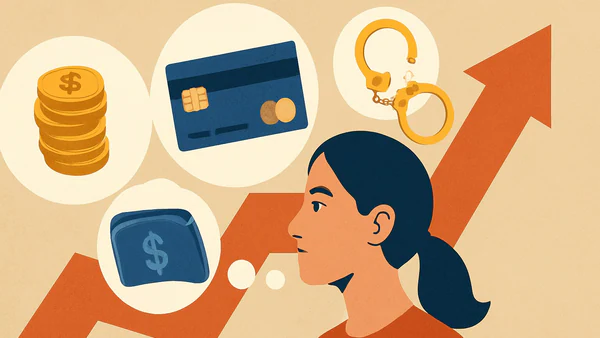

When people set financial goals, they usually focus on the exciting parts. Buying a home. Traveling more. Investing for retirement. Starting a business. What often gets overlooked is the quiet number sitting in the background that can either speed up or slow down all of those plans. That number is your credit balance. For some, the wake up call comes when balances grow large enough that they begin researching options like debt consolidation to simplify payments. But long before that point, credit balances are already shaping financial outcomes.
Your credit balance is not just a bill. It is a lever. It influences your credit score, your borrowing power, and how much of your income gets redirected toward interest instead of progress.
Understanding Credit Utilization
One of the most important ways credit balance affects financial goals is through credit utilization. Credit utilization measures how much of your available credit you are using. If you have a ten thousand dollar credit limit and a five thousand dollar balance, your utilization is fifty percent.
According to the Consumer Financial Protection Bureau, credit utilization is a major factor in credit scoring models. High utilization signals potential risk to lenders. Financial experts often recommend keeping utilization below thirty percent. Lower is generally better. When balances stay high relative to limits, credit scores tend to drop. And lower scores affect more than bragging rights. They influence the cost of borrowing.
Interest Costs Slow Momentum
High credit balances generate interest. That interest compounds over time, especially if only minimum payments are made. Every dollar spent on interest is a dollar that cannot go toward savings, investments, or long term goals.
Imagine carrying a balance at a high interest rate while also trying to build an emergency fund. The interest creates friction. It slows progress. It can even create a cycle where new expenses get added to existing balances.
The Federal Reserve provides data on interest rates and consumer credit trends. Reviewing this information shows how credit costs fluctuate but often remain substantial.
When balances are managed effectively and paid down consistently, interest expenses shrink. That freed up cash flow accelerates progress toward financial objectives.
Homeownership and Borrowing Power
If homeownership is a goal, credit balance plays a direct role in approval and interest rates. Mortgage lenders evaluate credit scores, debt to income ratios, and overall financial stability.
High credit balances increase monthly debt obligations. This raises your debt to income ratio, which measures how much of your income goes toward debt payments. A higher ratio can reduce the size of the loan you qualify for or increase the rate offered.
Even a modest increase in mortgage interest rate can add thousands of dollars in total repayment over the life of the loan. Managing credit balances well in advance of applying for a mortgage can make a significant difference.
Credit balance management is not just about avoiding denial. It is about optimizing terms.
Retirement and Long Term Investing
Retirement may feel distant, but credit balances affect it in subtle ways. When interest payments consume part of your income, less money is available for investing.
Compound growth thrives on consistency and time. The earlier and more steadily you contribute to retirement accounts, the stronger the long term outcome. High credit balances can delay or reduce contributions.
Over decades, that delay can translate into substantial opportunity cost. Paying down high interest debt first often creates a stronger foundation for later investment growth.
Balancing debt reduction with investing requires strategy. But ignoring credit balances entirely makes the equation harder.
Psychological Impact on Goal Setting
Beyond numbers, credit balances affect mindset. Carrying large balances can create stress, avoidance, or a sense of being behind. That emotional weight can influence decision making.
When financial goals feel out of reach because balances loom large, motivation may decrease. Conversely, watching balances decline builds confidence. Each payment becomes visible progress.
That psychological momentum matters. Financial goals are not achieved through numbers alone. They are sustained through consistent behavior.
Strategic Balance Management
Managing credit balances effectively does not always mean eliminating them overnight. It means approaching them with intention.
First, review all balances, interest rates, and minimum payments. Understanding the full picture reduces uncertainty. Next, consider repayment strategies. Some people prioritize highest interest balances first to reduce overall cost. Others focus on smaller balances to build early wins.
Automation can support consistency. Scheduling payments before due dates prevents late fees and protects credit scores.
Monitoring credit reports regularly also helps. The Consumer Financial Protection Bureau provides guidance on accessing free credit reports and reviewing them for accuracy.
Small, steady improvements in balance management compound over time.
Credit Balance as a Financial Signal
Your credit balance reflects past spending decisions, but it also signals future potential. High balances can limit flexibility. Lower balances expand options.
When credit balances are controlled, you gain negotiating power. You qualify for better rates. You reduce interest expenses. You increase cash flow for savings and investments.
Financial goals are rarely achieved in isolation. They are influenced by the foundation beneath them. Credit balance is part of that foundation.
Managing it thoughtfully does not just improve a score. It strengthens your overall financial trajectory. Each decision to reduce balances, maintain low utilization, and avoid unnecessary interest brings long term goals closer.
Credit balance may not be the most exciting part of your financial life. But it quietly shapes nearly every major milestone. Understanding its impact turns it from an obstacle into a tool for progress.