


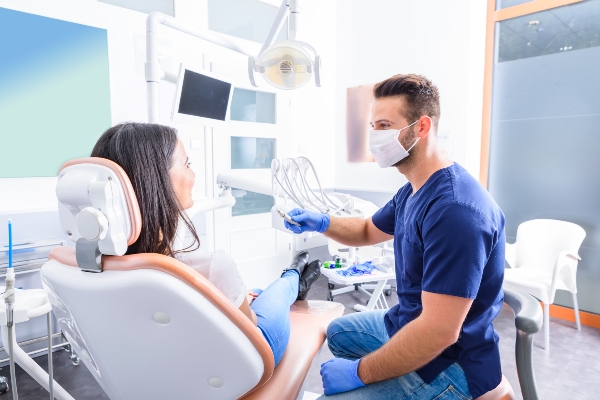
You want your natural teeth to last. A general dentist helps you protect them. Routine visits catch small problems before they grow into pain, infection, or tooth loss. Cleanings remove hard buildup that brushing and flossing miss. Exams find early decay, cracks, and gum disease. Quick treatment keeps your bite strong and your smile steady. A dentist in Sterling, VA can also guide your daily care at home. You learn how to brush, floss, and eat in ways that protect enamel and gums. Regular X‑rays reveal hidden issues between teeth and under fillings. Clear conversations about habits like grinding, smoking, or sugar use help you avoid damage. Over time, this steady support means fewer extractions and less need for complex work. You keep more of your own teeth, for longer, with less fear and fewer surprises.
Why routine dental visits matter
General dentists focus on keeping your natural teeth in your mouth. They do not just fix problems. They work to stop damage before it starts.
Routine visits usually include three parts.
- A cleaning to remove plaque and tartar
- An exam to check teeth, gums, and bite
The Centers for Disease Control and Prevention explains that untreated cavities and gum disease are common across all ages. You can see data and prevention tips at the CDC oral health page on oral health fast facts. Regular care cuts your risk of these problems. It also keeps dental costs lower over time.
How cleanings protect natural teeth
Daily brushing and flossing help. Yet plaque hardens into tartar in places your brush cannot reach. Only a dental team can remove this buildup.
Professional cleanings help you keep your own teeth because they:
- Remove tartar that holds bacteria against teeth and gums
- Reduce bleeding and swelling in gums
- Lower the chance of deep infection and loose teeth
Cleanings also give you fast feedback. You hear where you miss with your brush. You learn better ways to clean around crowded teeth, braces, or bridges.
Exams and X‑rays catch problems early
General dentists use sight, touch, and X‑rays to find small changes. Early problems are easier to treat. They also save more of your natural tooth.
During an exam, the dentist checks:
- Teeth for soft spots, cracks, and worn edges
- Gums for redness, pockets, and recession
- Jaw joints for pain or clicking
- Soft tissues for sores or color changes
When needed, X‑rays show decay between teeth, infections at roots, bone loss, and hidden cracks. The National Institute of Dental and Craniofacial Research explains common causes of tooth decay and signs of tooth decay on its page on tooth decay. Early knowledge lets you act before you lose tooth structure.
Common services that help you keep your teeth
General dentists use simple treatments to protect natural teeth. Each service has a clear goal.
- Fillings stop decay and support the remaining tooth
- Root canals treat infected pulp and save the root
- Crowns cover weak or cracked teeth
- Fluoride treatments harden enamel
- Sealants protect deep grooves on back teeth
- Night guards cushion teeth from grinding
Quick use of these services often prevents extractions. You keep your natural bite and chew without fear.
Home care and habits that extend tooth life
What you do at home shapes how long your teeth last. Your general dentist gives clear steps that match your age and health.
Most people need to:
- Brush twice a day with fluoride toothpaste
- Floss once a day
- Limit sugary drinks and snacks
- Drink water often
- Use mouthguards for sports
- Stop smoking and vaping
These habits work with professional care. Together, they lower your risk of decay and gum disease through each stage of life.
How prevention compares to delayed treatment
The table below shows how routine care compares to waiting until there is pain.
| Factor | Regular preventive visits | Waiting for pain or damage
|
|---|---|---|
| Tooth survival | Higher chance of keeping natural teeth | Higher chance of extractions |
| Treatment type | Cleanings, small fillings, sealants | Root canals, crowns, extractions |
| Pain level | Short, mild discomfort | Strong pain and swelling |
| Cost over time | Lower and more predictable | Higher and sudden |
| Time in the chair | Short, planned visits | Long emergency visits |
| Stress level | Less worry and more control | High stress and urgent choices |
Care for every age
General dentists support children, adults, and older adults. Needs change with time. The goal stays the same. Keep natural teeth stable and useful.
- Children learn brushing, flossing, and healthy snacks
- Teens manage braces, sports guards, and soda use
- Adults balance stress, grinding, and work schedules
- Older adults manage dry mouth, worn teeth, and past dental work
With each visit, you adjust the plan. You address new risks before they take root.
When to contact a general dentist
Do not wait for pain. Contact a general dentist if you notice any of these signs.
- Bleeding gums when you brush or floss
- Bad breath that does not clear
- Sensitivity to hot, cold, or sweets
- Chipped, cracked, or loose teeth
- Jaw soreness or morning headaches
- Spots or sores in your mouth that do not heal
Quick action protects your natural teeth. It also protects your comfort and your confidence when you eat, speak, and smile.