
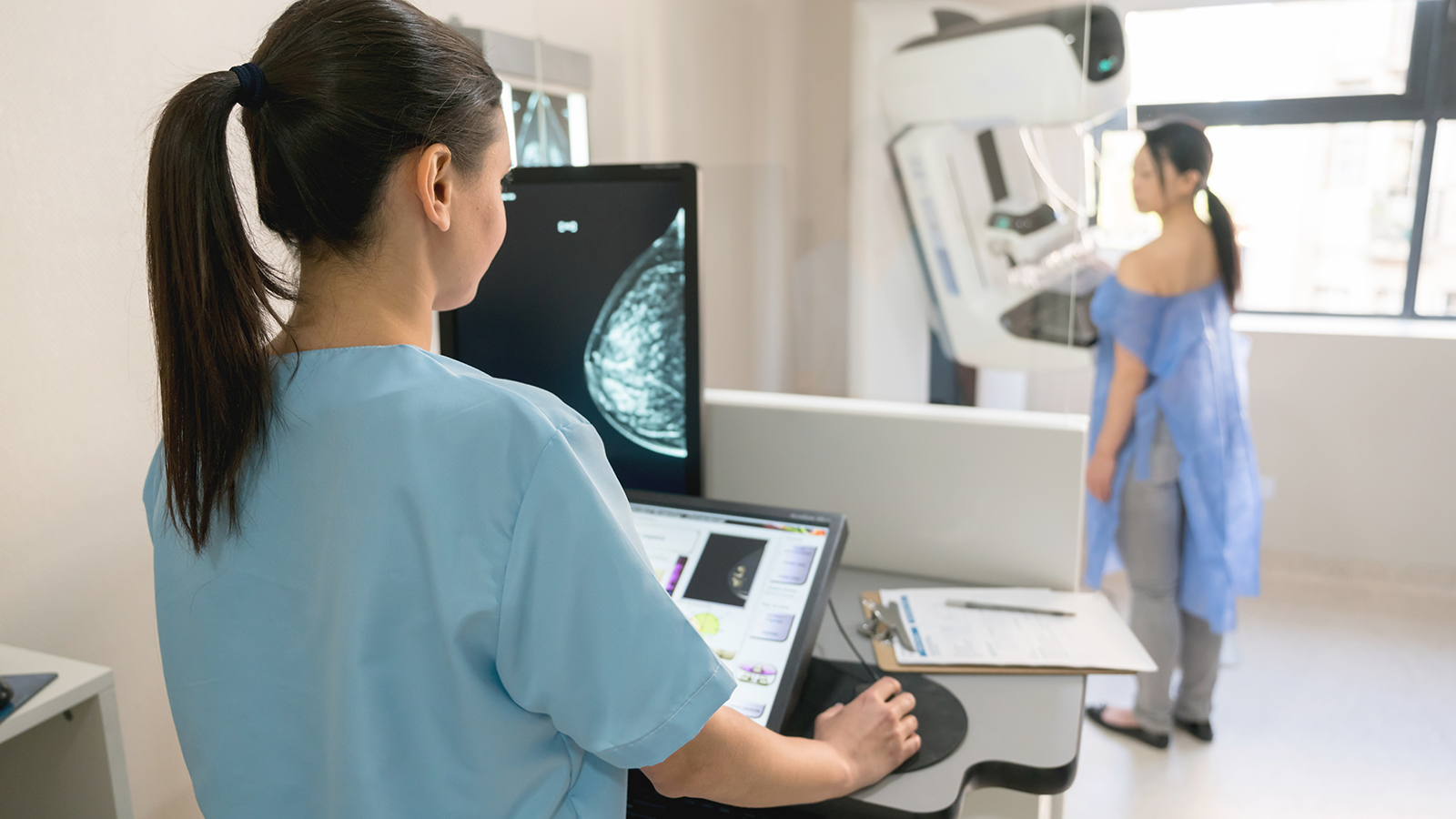

Understanding how often to get a mammogram can feel overwhelming. You want the best for your health, and regular screenings can catch problems early. Mammograms are important for early breast cancer detection. Doctors usually recommend starting at age 40. However, personal risk factors may change this timeline. Boise breast imaging experts can guide you. They understand your unique needs and will help you make informed decisions. Family history, genetic factors, and age can all impact how often you should get screened. You don’t need to face these questions alone. With expert advice, you can choose the right schedule for your situation. Remember, early detection saves lives. Prioritize your health and talk to a professional. Listen to their guidance and take action. When you stay informed, you protect yourself and those you love. It’s important to stay on top of routine care and address concerns as they arise.
Guidelines and Recommendations
Table Contents
Different organizations offer various guidelines on mammogram frequency. The American Cancer Society suggests that women aged 45 to 54 should get mammograms every year. After 55, they can switch to every two years or continue annually. The Centers for Disease Control and Prevention (CDC) aligns with these recommendations but adds that women aged 40 to 44 should also have the choice to start annual screenings.
Mammogram Frequency Table
| Age Group | Frequency |
| 40-44 | Optional annual screenings |
| 45-54 | Annual screenings recommended |
| 55 and older | Every two years or annually if preferred |
Factors Influencing Your Schedule
Several factors can change how often you should get a mammogram. Family history of breast cancer is a major one. If a close relative has had breast cancer, your doctor may recommend starting earlier. Genetics also play a role. Some women have genetic mutations, like BRCA1 or BRCA2, increasing their risk. In such cases, more frequent screenings or additional tests could be necessary.
Discussing with Your Doctor
Your doctor is your best resource for determining your mammogram schedule. Open communication is key. Discuss any concerns you have, whether they’re about risks or the procedure itself. Make sure you talk about your medical and family history. Your doctor will consider these discussions when advising on your schedule. By staying proactive, you’ll ensure you’re doing what’s best for your health.
Importance of Early Detection
Early detection significantly impacts treatment success. When you catch cancer early, treatment options are more effective, and recovery rates improve. Regular mammograms can detect tumors before they become a bigger problem. Remember, early detection isn’t just beneficial for you. It also eases the burden on your loved ones. Always prioritize early detection by scheduling regular screenings.
Common Concerns
Mammograms can sometimes be uncomfortable, which worries many. Pain during the procedure is often mild and brief. Technicians work to make you comfortable. Another concern is the fear of false positives or negatives. While these can happen, the benefits of regular mammograms far outweigh the risks. Discuss these concerns with your doctor to ease any anxiety you might have.
Moving Forward
Taking charge of your health means staying informed and prepared. Mammograms are a crucial tool in early cancer detection. Knowing how often to get screened depends on guidelines, personal risk factors, and professional advice. By understanding these elements, you can make educated decisions about your health. Don’t wait. Prioritize your well-being today by discussing your mammogram schedule with a healthcare professional. Your proactive steps now will have lasting benefits for your future health.