


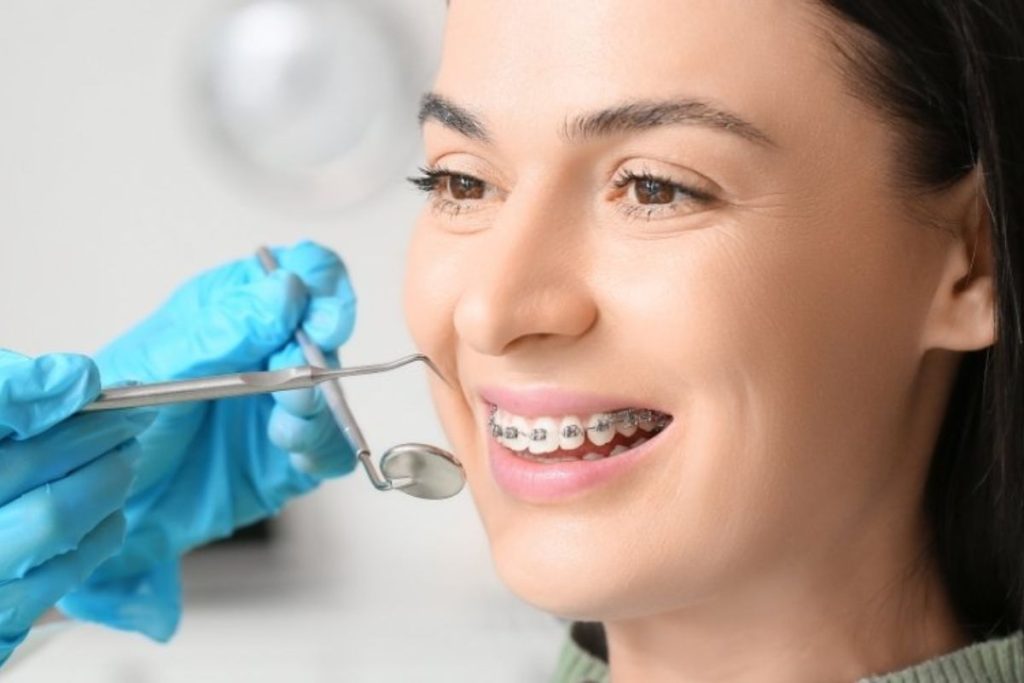
A healthy smile does more than straighten teeth. It changes how you feel about yourself every day. When you avoid smiling or hide your mouth with your hand, it drains your energy, your focus, and your trust in yourself. Orthodontic care helps fix that. A South San Jose orthodontist can guide you through simple steps that repair alignment, ease jaw strain, and improve how you bite and chew. That change supports clearer speech. It also makes daily brushing and flossing easier, which protects your gums and teeth. You then feel more willing to speak up at work, meet new people, and look others in the eye. Over time, this steady lift in confidence supports better sleep, lower stress, and stronger habits. You are not chasing perfection. You are choosing a mouth that works well and a smile that feels honest and strong.
How Straight Teeth Support Daily Health
Orthodontic care does more than move teeth into a straight line. It helps your whole mouth work as one system. When teeth fit together, you chew food in a steady way. That protects your jaw joints. It also spreads pressure across many teeth instead of a few weak spots.
This kind of care supports three basic needs.
- You clean your teeth with less effort.
- You chew food in a steady and safe way.
- You protect your jaw from strain and wear.
The National Institutes of Health reports that poor alignment links to a higher risk of gum disease and tooth wear.
Confidence You Feel At School, Work, And Home
Teeth shape how you speak, eat, and smile in front of other people. When you worry about crooked teeth, you may talk less. You may avoid photos. You may hold back in class or meetings.
Orthodontic treatment gives you a clear plan. As teeth move, you start to see a change in the mirror. That change often shows up first in your behavior.
- You smile more in family photos.
- You speak up sooner during group talks.
- You feel less fear when you meet new people.
These small steps build a stronger sense of self. You feel steady instead of tense. You feel open instead of guarded. This shift helps children who face teasing. It also helps adults who return to work or start new jobs.
Emotional And Social Benefits For Children And Teens
Childhood and teen years are full of judgment from peers. Teeth can become a target. Braces once meant nicknames and sharp jokes. Today, many classmates wear clear aligners or low-profile brackets. Treatment feels normal.
You support your child when you treat alignment problems early. The American Association of Orthodontists suggests a first checkup by age seven. Early visits do three things.
- They find jaw growth problems before they grow worse.
- They guide adult teeth into better spots.
- They reduce the time or cost of later treatment.
With a plan in place, your child understands that change is coming. That sense of control can ease shame and fear. It also teaches your child to face problems instead of hiding them.
Benefits For Adults Who Choose Treatment Later In Life
Many adults think they missed their chance. That belief is false. Teeth can move at any age when the bone and gums stay healthy. Clear aligners and other tools fit into busy work days.
Adult patients often report three strong gains.
- They feel more ready to speak during meetings.
- They stop hiding their mouth at social events.
- They feel younger and more energetic when they look in the mirror.
These gains often support career growth. They can also deepen close relationships. You may feel more at ease on dates, at family events, or during video calls.
Physical Health Links To Confidence And Mood
Oral health connects to whole body health. Poor gum health can affect diabetes and heart disease risk.
Orthodontic treatment supports this link. Straight teeth are easier to clean. Food does not get trapped in tight, twisted spots. Gums stay calmer. Breath smells fresher. You feel less shame when you speak to someone close.
These changes can ease daily stress. Your body no longer fights chronic mouth pain or gum bleeding. You can sleep with fewer aches in your jaw or head. That relief often improves mood and focus.
Common Orthodontic Options For Families
You and your child have several treatment paths. Each one offers tradeoffs in cost, look, and care needs. This simple table gives a rough guide. Costs are examples and can change by region and case.
| Treatment type | Typical age group | Visible during smile | Average treatment time | Approximate cost range (USD)
|
|---|---|---|---|---|
| Traditional metal braces | Children, teens, adults | High | 18 to 30 months | 3,000 to 7,000 |
| Ceramic or tooth colored braces | Teens, adults | Medium | 18 to 30 months | 4,000 to 8,000 |
| Clear aligners | Older teens, adults | Low | 12 to 24 months | 3,500 to 8,500 |
| Early expanders and partial braces | Children | Medium | 6 to 18 months | 1,500 to 4,000 |
You choose with your orthodontist based on your goals, budget, and schedule. A clear talk about each option helps you feel safe and ready.
What To Expect During Treatment
Orthodontic care follows a simple path. You can explain this to your child so nothing feels secret or scary.
- First visit. You share your concerns. The orthodontist checks teeth, gums, and jaw. X-rays and photos may support this step.
- Treatment plan. You review options, time, and cost. Clear questions are welcome.
- Start of treatment. Braces or aligners go on. You learn how to clean and protect them.
- Regular checks. You return every few weeks for small changes or new aligners.
- Finishing. Braces come off or the use ends. A retainer helps hold the new smile.
Some days may feel sore. That feeling often fades within a short time after each adjustment. Simple pain relief and soft food can help. Honest talk with your child about this discomfort builds trust.
Taking The Next Step For Your Family
You do not need to wait for pain to seek orthodontic care. Concerns about chewing, speech, or self-image are enough. You protect your own health and your child’s future when you act early.
Begin with a consult. Bring your questions in writing. Ask how each option will affect daily life, cleaning, and cost. Ask how the team will support anxious children or nervous adults.
Orthodontic care is not only about straight teeth. It is about calm mornings, steady sleep, easier meals, and social moments that feel less heavy. When your bite works and your smile feels honest, your confidence grows. Your overall well-being follows that change.