


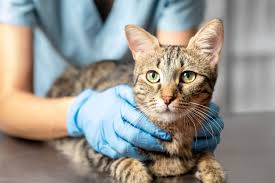
Caring for your pet involves more than just love and attention. Regular check-ups with your veterinarian in Lambertville can save you money over time. Preventive care helps catch issues early before they become costly problems. You might think you can skip that vet visit, but neglecting routine checks often leads to bigger expenses. By addressing health concerns early, you avoid more expensive treatments later. Vaccinations, dental care, and nutritional advice are key components of preventive care. Each of these helps maintain your pet’s health without breaking the bank. Don’t overlook the importance of these measures. They play a huge role in ensuring your pet stays healthy and happy while keeping your wallet intact. Investing a little time and money in routine care now can prevent financial strain later. Be smart about your pet’s health and your finances. Regular preventive care makes a big difference for both.
The Cost of Skipping Preventive Care
When you skip preventive care, your pet might develop problems that require expensive treatments. For example, untreated dental disease can lead to infections, tooth loss, and even organ damage. These conditions often require surgical intervention, which can be very costly. Routine dental cleanings and check-ups prevent these outcomes. According to the American Veterinary Medical Association, preventive care is crucial in avoiding serious health issues that are far more expensive to treat.
Understanding the Benefits of Regular Vaccinations
Vaccinations shield your pet from diseases that can be fatal or require lengthy, costly treatment. Rabies, distemper, and parvovirus are just a few examples. Vaccinating your pet not only protects them but also prevents the spread of disease to other animals and people. The small cost of vaccines is a wise investment compared to the potential financial burden of treating severe illnesses.
Nutrition and Weight Management
Keeping your pet at a healthy weight reduces the risk of obesity-related conditions like diabetes, arthritis, and heart disease. Proper nutrition is key to managing weight. Regular vet visits provide guidance on dietary choices tailored for your pet’s needs. This is not only beneficial for their health but also minimizes future veterinary costs associated with poor nutrition and obesity.
Cost Comparison of Preventive vs. Emergency Care
| Care Type | Estimated Annual Cost | Potential Emergency Cost |
|---|---|---|
| Routine Check-Ups and Vaccinations | $200 – $300 | N/A |
| Dental Cleaning | $300 – $500 | $1,000 – $3,000 (dental surgery) |
| Weight Management | $100 – $200 (special diet) | $2,000+ (treatment for obesity-related conditions) |
Parasite Control: A Small Price for Big Protection
Parasites like fleas, ticks, and worms cause serious health problems if not managed. Regular use of preventive medications keeps these pests at bay. Skipping these treatments can lead to infestations and diseases that require costly interventions. The Centers for Disease Control and Prevention emphasizes the importance of parasite control to maintain your pet’s health and prevent public health risks.
The Role of Early Detection
Early detection of health issues is a cornerstone of preventive care. Routine exams often unveil underlying conditions that, if caught early, can be managed more effectively and at a lower cost. Blood tests, X-rays, and other diagnostic tools provide a detailed health picture, allowing for timely interventions.
Conclusion: A Small Investment with Big Returns
In conclusion, preventive care is a simple yet powerful way to manage your pet’s health and your budget. The costs associated with routine care are minimal compared to emergency treatments for preventable conditions. By prioritizing preventive care, you not only ensure your pet’s well-being but also enjoy the peace of mind that comes with being prepared and informed. Make preventive care a regular part of your pet’s life and see the financial savings unfold over time.