

Winter brings cold, darkness, and hard ground. It also brings falls that break bones and shatter confidence. As a property owner, you carry a clear duty. You must keep walkways safe, or someone can get hurt. A simple missed patch of ice can lead to a hospital visit, lost work, or a call to a snow and ice accident attorney. You cannot control the weather. You can control how you prepare for it. This blog explains what you must do before, during, and after winter storms. You will learn how to spot risks early, set up a clear plan, and document your efforts. You will also see how small steps like salt, lighting, and signs can block large claims. When you stay ready, you protect others. You also protect your home, business, and peace of mind.
Know where and when slips happen
Most winter falls happen in the same few spots. You can cut risk if you study your own property and act before storms hit.
- Stairs and ramps
- Doorways and entry mats
- Parking lots and curbs
- Sidewalks near gutters and drains
- Shaded paths that stay icy all day
The Centers for Disease Control and Prevention explains that falls send millions to emergency rooms each year. Many are preventable with simple steps. You can review basic fall facts at the CDC site here: https://www.cdc.gov/falls/facts.html.
First, walk your property before winter. Look for uneven spots, loose railings, and places where water pools. Next, repair what you can before the first freeze. Finally, plan how you will clear snow and ice in those trouble spots.
Use a simple three step winter safety plan
A clear plan keeps you calm during storms. It also shows that you take safety seriously.
Build your plan around three steps.
- Prevent ice from forming
- Clear snow fast
- Warn people when surfaces stay slick
Prevention means grading and drainage that move water away from walkways. It also means sealing cracks and fixing downspouts that dump water on paths.
Clearing snow fast means you choose who will shovel, what tools they use, and how often they check key spots. You decide this before the first flurry.
Warnings include cones, signs, and taped off zones. These do not replace shoveling. They buy time while you work.
Choose and use ice control products
Ice control is about timing, coverage, and safe products. You can use three simple tools.
- Shovels and pushers for fresh snow
- Ice melt for thin ice and packed snow
- Sand or grit for traction
First, apply ice melt before a storm when you can. This helps keep snow from bonding to the surface. Second, shovel early and often so snow does not pack down into ice. Third, spread sand on any spots that still feel slick after shoveling and salting.
The Federal Highway Administration explains how different deicers work and how temperature affects them. You can read more here: https://ops.fhwa.dot.gov/weather/resources/publications/best_practices/Chapter4.htm.
Comparison of common ice control options
| Option | Main use | Works best above | Key strength | Key limit
|
|---|---|---|---|---|
| Rock salt (sodium chloride) | General ice melt on walks and lots | 15°F | Low cost | Can harm plants and concrete |
| Calcium chloride | Cold weather ice melt | -20°F | Works in very low temps | Higher cost |
| Sand or grit | Traction on ice | Any temperature | Adds grip right away | Does not melt ice |
| Snow shovel or pusher | Remove fresh snow | Any temperature | No chemicals | Needs steady labor |
Protect entryways and indoor floors
Many winter falls happen just inside the door. Melted snow turns smooth floors into hidden traps.
You can reduce this with a three point entry setup.
- Scraper mat outside to knock off snow
- Absorbent mat inside to soak up water
- Non slip flooring or tape in the first steps inside
Next, check mats often. Replace or dry them when they soak through. Also place umbrella stands or coat racks so water does not drip across walkways.
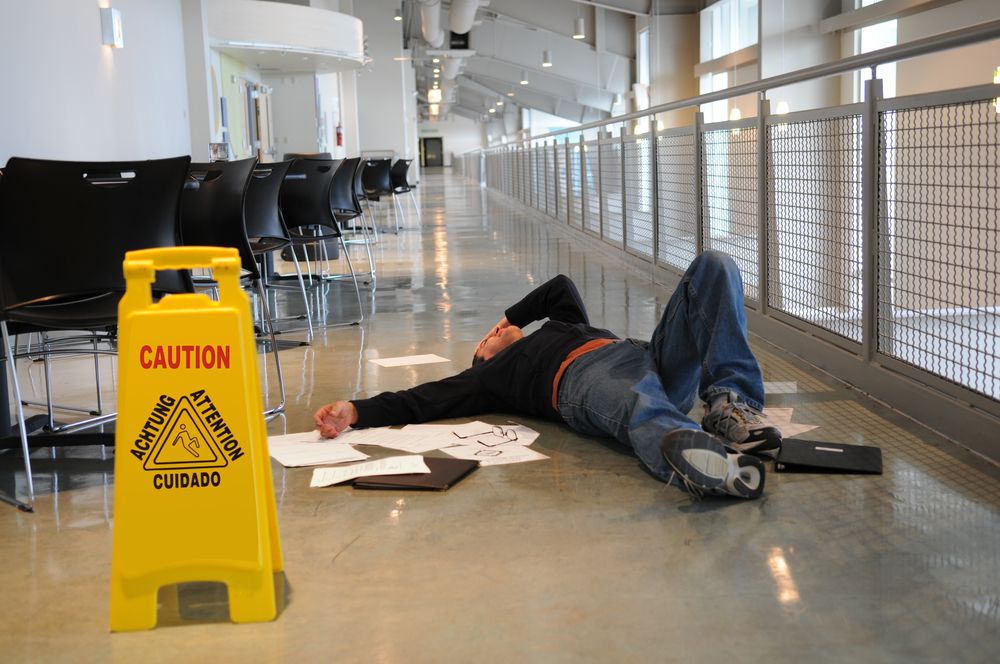
Finally, post a clear “Caution Wet Floor” sign any time you mop or see puddles.
Improve lighting and visibility
Ice is harder to see in low light. Poor lighting turns a safe path into a hazard.
First, check lights at all doors, steps, and parking paths. Replace burned bulbs right away. Choose bright, steady light.
Second, mark edges of steps, ramps, and curbs with high contrast tape or paint. This helps older adults and children see where to place their feet.
Third, trim shrubs or branches that block light or sight lines. People need a clear view of the ground in front of them.
Set rules for tenants, staff, and visitors
Clear rules help everyone share the work of safety.
You can post simple winter rules.
- Use main cleared paths only
- Report icy spots right away
- Wear shoes with grip on bad weather days
Next, train staff or family members on how to shovel, where to pile snow, and how much ice melt to use. Keep tools in a set place so anyone can find them fast.
Also, decide who calls plow or service crews and when. Write that down so there is no gap when storms hit at night or on weekends.
Document your efforts
Good records protect you when someone falls despite your care.
Keep a simple log that lists three things.
- Date and time of each storm or freeze
- What you did such as shoveling, salting, or placing signs
- Who did the work
You can also take quick photos after you clear paths. Store them with your log. If a claim comes months later, you will not rely on memory alone.
Know when to bring in help
Some properties need more than a shovel and a bag of salt. Large lots, steep driveways, and busy public spaces can overwhelm one person.
First, consider a snow contract if you own a business, rental, or multi family home. A clear contract can set start times, trigger depths, and who handles ice after plowing.
Second, talk with your insurance agent about winter duties.
Third, if someone gets hurt, focus on care. Call for medical help, record what happened, and save your logs and photos. Your past effort to prevent harm often matters as much as what you do that day.
Winter will return each year. When you prepare your property with clear steps, you cut fear and guilt. You give your family, guests, and neighbors a safer path through the cold season.