
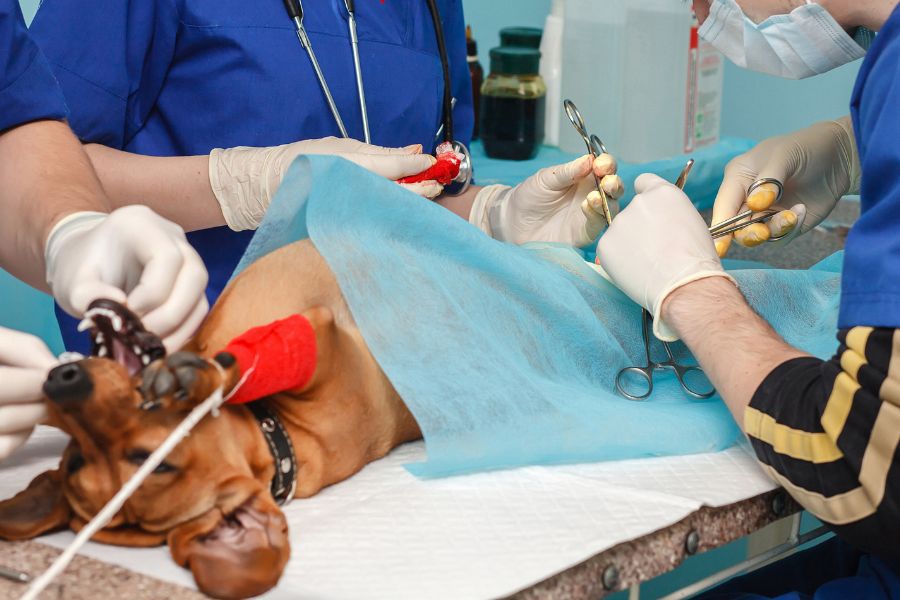

After surgery, your animal wakes up confused, sore, and scared. You see the tension and shallow breaths. You want relief for them right away. A Chicago veterinary surgeon plans for that pain long before the first cut. You get more than a quick fix. You get a careful plan that starts before surgery and continues at home. First, your surgeon chooses pain medicine that fits your animal’s age, health, and type of surgery. Next, your team uses nerve blocks and local numbing to quiet pain at its source. Finally, they watch your animal’s body signs and behavior and adjust treatment fast. You see calmer rest, smoother breathing, and more steady walking. You also feel less fear about bringing your animal home. This blog explains how surgical steps before, during, and after the operation can lower pain and protect your animal’s healing.
Why pain control after surgery matters
Table Contents
- Why pain control after surgery matters
- Three phases of pain control
- Before surgery: setting the stage for comfort
- During surgery: blocking pain at its source
- After surgery in the hospital: staying ahead of pain
- Common pain control methods compared
- Going home: your role in pain control
- Questions to ask your surgical veterinarian
- Helping your animal feel safe and calm
- Key takeaway
Pain is not just a feeling. It changes how your animal heals. When pain stays high, your animal:
- Eats less and loses strength
- Breathes in a shallow way and risks lung trouble
- Moves less and risks stiff joints or clots
The American Veterinary Medical Association explains that pain control improves healing and lowers stress hormones. You can read more in their guide on pain management at AVMA pain and welfare policy.
Good surgeons treat pain as part of the surgery. Not as an extra. They plan for it. They measure it. They change the plan when your animal needs more help.
Three phases of pain control
Surgical veterinarians use a simple three phase plan.
- Before surgery
- During surgery
- After surgery and at home
Each step supports the next one. You get a steady drop in pain instead of a sharp rise after the operation.
Before surgery: setting the stage for comfort
Before surgery, your team does more than blood tests and x rays. They also build a pain plan that fits your animal. They look at:
- Age and weight
- Heart, liver, and kidney health
- Type and length of surgery
- Past reactions to pain medicine
Then they choose a mix of tools. This is often called multimodal pain control. It means using different methods that work in different ways so each dose can stay lower and safer. These can include:
- Anti inflammatory medicine
- Strong pain medicine like opioids
- Nerve pain medicine
- Soothing medicine that lowers fear and tension
Sometimes the surgeon gives the first dose before the cut. This can slow down how fast pain signals reach the brain.
During surgery: blocking pain at its source
During surgery, the team does more than keep your animal asleep. They also block pain signals at the nerves and tissue. Common tools include:
- Local numbing at the cut site
- Nerve blocks near limbs or joints
- Epidural blocks for the back or rear legs
At the same time, the team tracks heart rate, breathing rate, blood pressure, and body movement. Sudden changes can show pain. The surgeon can then increase or change medicine on the spot.
Researchers at North Carolina State University describe these methods in their teaching notes on veterinary anesthesia at NC State anesthesia and pain control.
After surgery in the hospital: staying ahead of pain
Right after surgery, pain can rise fast if the team does not stay ahead of it. Surgical veterinarians aim to keep pain low instead of chasing it. They do this by:
- Giving pain medicine on a schedule
- Using slow drip infusions when needed
- Checking behavior at rest and during touch
They also protect comfort with simple steps you can see:
- Soft bedding and clean, dry bandages
- Quiet space with low bright light
- Help with gentle position changes
These steps lower fear and strain. That lowers pain too.
Common pain control methods compared
Your animal may receive more than one kind of pain control. The mix depends on size, health, and surgery type. The table below shows a simple comparison.
| Pain control method | How it works | When it is used | Key benefit
|
|---|---|---|---|
| Anti inflammatory drugs (NSAIDs) | Lower swelling and pain signals in tissue | Before and after surgery | Help with sore joints and cut site pain |
| Opioid pain medicine | Change how the brain feels pain | During and right after surgery | Strong relief for moderate to strong pain |
| Local numbing and nerve blocks | Stop pain signals along nerves | During surgery and early after | Targeted relief at the cut site |
| Epidural anesthesia | Numbs nerves near the spine | Long surgeries of the back or rear | Strong relief with less body wide medicine |
| Soothing and anxiety medicine | Reduces fear and muscle tension | Before and after surgery | Makes rest and handling easier |
Going home: your role in pain control
Pain control does not stop when you leave the hospital. Your actions at home protect your animal’s comfort. You should:
- Give medicine at the exact times written
- Use the full course unless the surgeon changes it
- Keep your animal in a small, safe space
- Block stairs and jumping
You also need to watch for signs that pain is too high. These can include:
- Heavy panting when the room is cool
- Whining or growling when touched
- Refusing food or water
- Hiding or restlessness that does not stop
If you see these signs, you should call the surgeon. Do not give human pain medicine. Many human drugs can harm animals even at low doses.
Questions to ask your surgical veterinarian
You can protect your animal by asking clear questions before surgery. Three useful questions are:
- What is your plan for pain before, during, and after surgery
- What signs of pain should I watch for at home
- Who do I call after hours if pain seems worse
These questions show you expect strong pain control. They also build trust with your team.
Helping your animal feel safe and calm
Medicine is only one part of comfort. Your voice and touch matter. You can:
- Speak in a low, steady tone
- Use gentle, slow touch away from the cut
- Offer short, calm visits rather than long, busy ones
Some animals want closeness. Others want quiet space. You know your animal’s habits. You can match the setting to what brings them calm.
Key takeaway
Surgical veterinarians do not wait for pain to appear. They plan for it. They block it at the nerves. They watch it in the hospital. They guide you at home. When you and your surgeon work together, your animal rests more, heals faster, and carries fewer hidden scars from the surgery experience.