


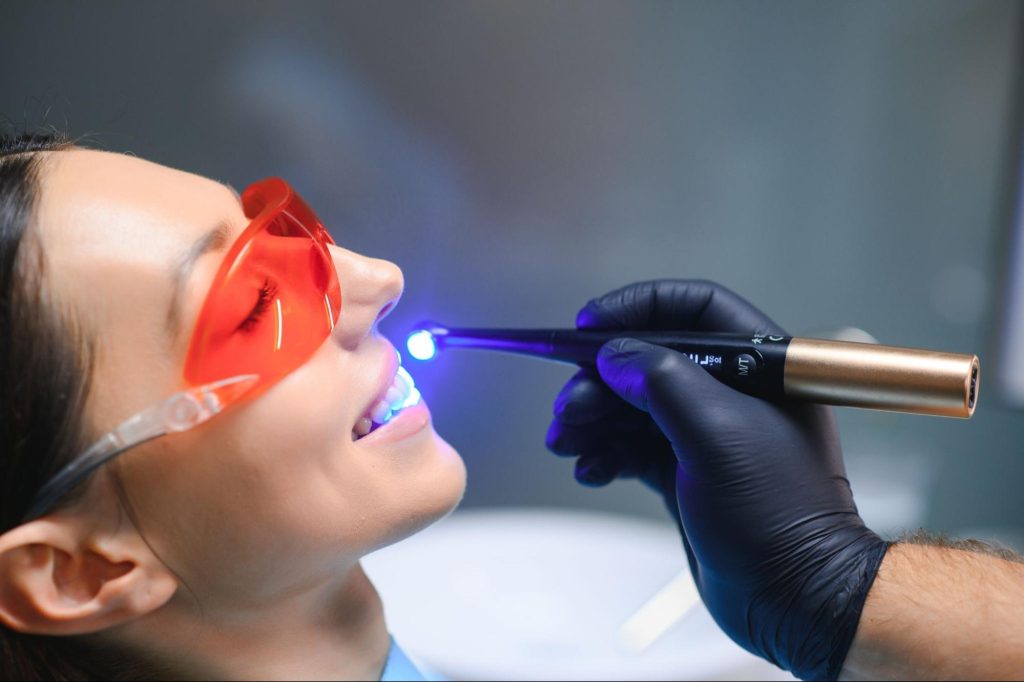
You want your dental work to look natural, feel strong, and last. You also want less time in the chair and fewer repeat visits. New tools now help your dentist do that. Digital scanners replace sticky impression trays. 3D printers and milling machines shape crowns and bridges with tight fits. Software checks your bite in detail. A Pacific Grove dentist can now plan and place many restorations in a single visit. That means less guesswork and more control. It also means fewer surprises after you leave. This blog explains how these tools work together to speed up treatment, cut down errors, and protect your teeth. You will see what happens at each step. You will learn what you can ask your dentist before treatment. You will understand how technology supports your comfort, your time, and your long term oral health.
From old impressions to digital scans
In the past your dentist filled trays with thick material and pressed them over your teeth. You waited. You gagged. Then the tray came out. If the impression had a bubble you had to repeat the whole thing.
Now many offices use digital scanners. Your dentist moves a small camera around your mouth. The scanner captures clear images in seconds. A computer turns those images into a 3D model of your teeth.
This change matters for you.
- You stay more comfortable during the visit.
- You get fewer remakes due to poor impressions.
- You give your dentist a more exact picture of your bite.
The American Dental Association explains that digital systems can improve accuracy and shorten visits for many common treatments.
How digital design shapes your crown or bridge
Once your teeth are scanned, software lets your dentist design the new crown or bridge on screen. Your dentist can see how the new tooth will touch your other teeth from every angle. Your dentist can adjust the shape by tiny amounts and check the bite as the jaw moves.
This gives three clear gains.
- Better fit on the tooth.
- Better match with nearby teeth.
- Better plan for how chewing forces spread.
You may hear the term CAD or CAM. CAD means computer aided design. CAM means computer aided milling or printing. Together they move your case from guesswork to a planned design that the machine can copy very closely.
In office milling and 3D printing
After the design is set, your dentist sends it to a milling unit or 3D printer. These tools shape your crown or bridge from ceramic or resin blocks.
Milling machines cut the shape from a solid block. 3D printers build it layer by layer. Both follow the digital design with very small error. That is why your dentist often needs less grinding and fewer bite checks before the crown feels right.
The table below shows how this compares with older methods.
| Step | Traditional method | Digital method | What you notice
|
|---|---|---|---|
| Impression | Tray with thick material | Small digital scanner | Shorter visit and less gagging |
| Model | Stone model poured in a lab | 3D model on a screen | Fewer distortions and fewer remakes |
| Design | Wax shaped by hand | Computer design with bite checks | More exact bite and contact points |
| Fabrication | Lab builds crown over days | Office milling or 3D printing | Often done in one visit |
| Fit and bite | More grinding and adjustments | Minor polishing and checks | Less chair time and fewer returns |
Single visit restorations and your schedule
With older methods you often needed two or three visits. The first visit prepared the tooth and took impressions. You left with a temporary crown. You waited a week or more. Then you returned for the final crown. If the fit was poor you came back again.
With many digital systems your dentist can often.
- Scan your teeth.
- Design your crown.
- Mill or print it.
- Bond it in place.
All during one appointment. That means fewer shots. That means fewer days off work or school. That means less risk that a temporary crown breaks or falls off.
Accuracy and long term tooth health
A crown that fits well protects the tooth under it. Gaps between the crown and the tooth let bacteria collect. That raises the chance of decay and pain later.
Digital tools help your dentist reduce those gaps. Studies shared through the National Institutes of Health show that CAD CAM crowns can reach tight margins that support long term success.
Better fit also means your chewing forces spread in a safer way. That reduces cracks. That supports the jaw joint. That lowers the chance you will need another crown on the same tooth soon.
What you can ask your dentist
You do not need to be a tech expert. You only need to ask clear questions before treatment. You can ask.
- Do you use digital scans instead of impression trays.
- Can you design and make crowns in the office.
- How many visits will my restoration need.
- How do you check that my bite is even after the crown is placed.
- What should I watch for at home once the crown is in.
Your dentist can then explain each step in plain words. This builds trust. This lets you take part in choices about materials and timing.
Staying calm and informed
Dental work can stir worry for you or your child. Clear tools and clear steps lower that fear. When you see your teeth on a screen you understand what needs repair. When you know the crown will likely be done that same day you feel less strain about missing work and school.
Technology does not replace the skill of your dentist. Instead it sharpens that skill. It gives your dentist better eyes and steadier hands through scanners, software, and machines. You get care that is faster, more exact, and kinder to your time and your body.
When you need a crown, bridge, or other restoration, ask how technology will support your care. You deserve strong teeth, clear answers, and quiet peace in the chair.