
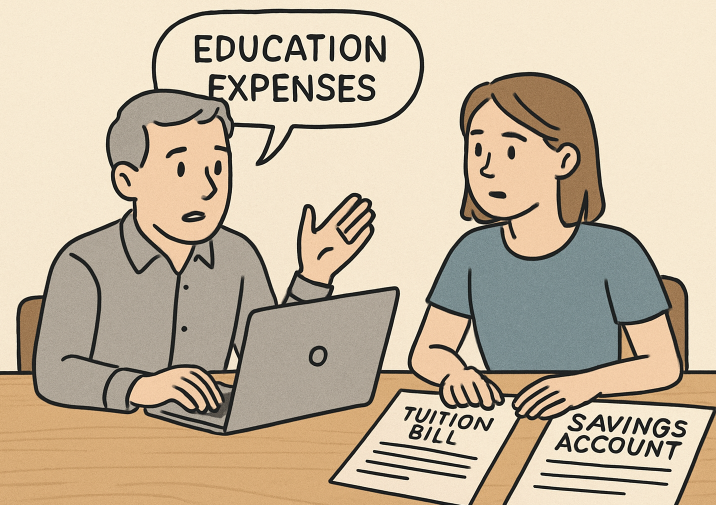

Education savings plans, such as 529 plans and Registered Education Savings Plans (RESPs), offer tremendous advantages for families saving for future educational expenses. However, making the most of these accounts requires careful planning and a clear understanding of the rules surrounding withdrawals. Using funds improperly can result in taxes and penalties, so it is vital to know when and how to take distributions. For Canadian families looking for more guidance on withdrawing from RESP not for education, resources are available to help you navigate unique situations.
Smart withdrawal strategies can ensure you maximize tax savings and preserve the value of your education fund. With legislative updates and the evolving landscape of higher education, there are more ways than ever to use account funds efficiently and avoid costly mistakes. Whether you are preparing for your child’s first semester or handling excess funds after graduation, understanding your options is key to getting the most out of your education savings.
Beginning your withdrawal journey isn’t just about paying tuition. It also involves recognizing which expenses qualify, structuring withdrawals for tax efficiency, and understanding the new flexibility offered by legislative changes. In this guide, we’ll break down important tips and strategies so your education savings plan truly works for your family’s goals and financial future.
Preparation is critical, not only for withdrawal timing but also for recordkeeping and long-term planning. Utilizing up-to-date authorities and resources, such as the IRS’s qualified education expenses guide, can sharpen your withdrawal approach and give you peace of mind during the education funding process.
Identifying Qualified Education Expenses
Withdrawals from education savings plans must be spent on qualified education expenses to remain tax-free. These expenses commonly include tuition, mandatory fees, and required textbooks or supplies. For college students enrolled at least half-time, room and board also qualify, as do computers and related equipment necessary for studies. Making purchases for non-qualified expenses, such as travel, insurance, or entertainment, can lead to taxes on gains and penalties, so always consult current official lists from a trusted source, such as the IRS or your plan provider.
Timing Your Withdrawals
Timing is critical to avoiding issues with tax authorities. Withdrawals should be made in the same calendar year as the educational expense is incurred. For instance, if you pay spring semester tuition in January 2026, ensure the related withdrawal also occurs in 2026. Failing to align payment and withdrawal years can result in an accidental triggering of a taxable event, so track invoices and reimbursements carefully. Some families choose to pay expenses out of pocket and then reimburse themselves from the plan, but accurate, coordinated records are essential, especially if audited.
Recent Legislative Changes Affecting 529 Plans
Legislation continues to broaden how families can use 529 funds. The One Big Beautiful Bill Act, enacted in 2025, increased the annual withdrawal limit for K-12 private school expenses from $10,000 to $20,000 per student. Additionally, expenses now include non-degree credentials such as trade, technical, or vocational training, as well as licensing or exam fees, promoting flexible paths after high school. Perhaps most significantly, up to $35,000 of leftover 529 funds can now be rolled over to a beneficiary’s Roth IRA, provided certain criteria are met. This update allows families to avoid unnecessary taxes and penalties if a student doesn’t use all their account savings.
Managing Unused Funds
Many families find themselves with leftover education savings due to scholarships, changing plans, or children not needing all the funds in their accounts. Fortunately, there are several ways to manage unused balances effectively. First, you can change the account beneficiary to another eligible relative—such as a sibling, stepchild, or even yourself—without tax complications. Second, new rollover rules allow direct transfers of up to $35,000 to a Roth IRA in the student’s name. Finally, if you must take a non-qualified withdrawal, remember only the earnings portion is subject to tax and a 10% penalty. Understanding these options will help you preserve value and provide support where it’s most needed.
Avoiding Common Withdrawal Mistakes
To unlock the full benefit of your education savings plan, avoid these common pitfalls. First, plan and request withdrawals well ahead of deadlines—processing can take several business days, and missing tuition due dates can incur school late fees. Second, never use 529 funds for non-qualified costs, as penalties can erode savings quickly. Third, maintain thorough records of all expenses and withdrawals. Detailed receipts and statements can protect you if questioned by the IRS or your plan provider. Lastly, stay updated on new rules and opportunities so you don’t miss out on expanded account uses.
Conclusion
Maximizing education savings withdrawals means understanding what expenditures qualify, timing withdrawals carefully, adapting to legislative changes, and planning for unused funds. With proactive planning and clear records, you can take full advantage of the tax benefits and flexibility these accounts offer, supporting your family’s educational goals while safeguarding your finances for the future.