
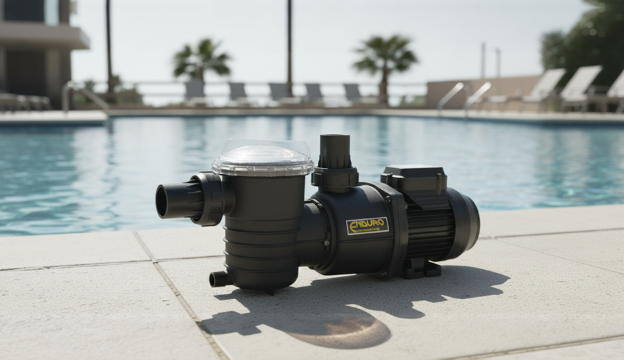

Swimming pools are a source of relaxation, fitness, and entertainment, but they can also become a significant contributor to household energy bills if equipment is not managed efficiently. Among all pool equipment, the pump is typically the largest consumer of electricity. Optimising how a swimming pool pump operates can lead to noticeable reductions in energy costs while still maintaining clean, safe, and balanced water.
Understanding how pool pumps work and applying best-practice strategies can make a long-term difference to both expenses and equipment lifespan.
Understand the Role of the Pool Pump
Table Contents
- Understand the Role of the Pool Pump
- Ways to Optimise Pool Pump Operation & Reduce Energy Costs
- Upgrade to an Energy-Efficient Pump
- Optimise Pump Run Time
- Maintain the Filtration System
- Optimise pool plumbing and design
- Use Automation and Smart Controls
- Balance Water Chemistry Properly
- Match Pump Speed to Pool Activities
- Conclusion
A pool pump circulates water through the filtration system, ensuring the removal of debris, the distribution of chemicals, and proper sanitation. Running a pump longer than necessary or at excessive speeds often leads to wasted energy. Many pools are over-filtered, meaning they circulate far more water than required for effective maintenance.
Optimisation begins with aligning pump operation to the actual needs of the pool rather than default or outdated schedules.
Ways to Optimise Pool Pump Operation & Reduce Energy Costs
Upgrade to an Energy-Efficient Pump
One of the most impactful upgrades for lowering power consumption is switching to a variable-speed pump. These pumps allow operation at lower speeds for longer periods, using significantly less electricity than single-speed models. Studies show that variable-speed pumps can reduce energy use by up to 80%.
Optimise Pump Run Time
Running the pool pump for excessive hours is a common mistake. Instead of operating continuously, pump run times should be adjusted based on pool size, usage, and seasonal conditions. In cooler months or during periods of low use, pump run time can often be reduced without affecting water clarity.
Maintain the Filtration System
A clean and well-maintained filtration system allows the pump to operate more efficiently. Dirty filters create resistance, forcing the pump to work harder and consume more power. Regular cleaning or replacement of filters helps maintain optimal flow and reduces strain on the pump motor. Cartridge, sand, and DE filters each have different maintenance schedules, but all benefit from consistent attention. Skimmer baskets and pump baskets should also be cleared frequently, as blockages restrict circulation and increase operational load.
Optimise pool plumbing and design
Poorly designed plumbing can significantly increase energy demand. Sharp bends, narrow pipes, and unnecessary water features create resistance that forces the pump to use more power. When installing or upgrading a pool system, efficient plumbing design should be a priority.
For new installations or major upgrades, working with an experienced swimming pool builder in Geelong ensures that pump selection, plumbing layout, and filtration systems are designed with energy efficiency in mind. Professional installation helps avoid common issues that lead to higher operating costs over time.
Use Automation and Smart Controls
Smart pool controllers and timers allow precise control over pump operation. Automation ensures the pump runs only when needed and at the most efficient speed. Some systems can even adjust operation based on water temperature or usage patterns.
Balance Water Chemistry Properly
Poor water balance increases the workload on the filtration and sanitation systems. When water chemistry is not properly maintained, the pump may need to run longer to compensate for cloudy or contaminated water. Consistent monitoring of pH, alkalinity, and chlorine levels helps maintain clear water with minimal circulation time.
Match Pump Speed to Pool Activities
Different pool activities require different circulation needs. For example, low-speed operation is sufficient for everyday filtration, while higher speeds may only be needed for vacuuming, heating, or operating water features.
Conclusion
Optimising pool pump operation is one of the smartest ways to reduce ongoing pool ownership costs. By upgrading to energy-efficient equipment, fine-tuning run times, maintaining filters, and balancing water chemistry, substantial energy savings can be achieved. Small adjustments in operation and maintenance habits can make a noticeable difference in electricity bills while extending the lifespan of pool equipment.